




Yes. Search teams use drones with thermal and RGB cameras to search large areas quickly and guide ground teams to the person. Docked, long-range drones can launch without anyone on site.
Search and rescue drones that cover the whole search area
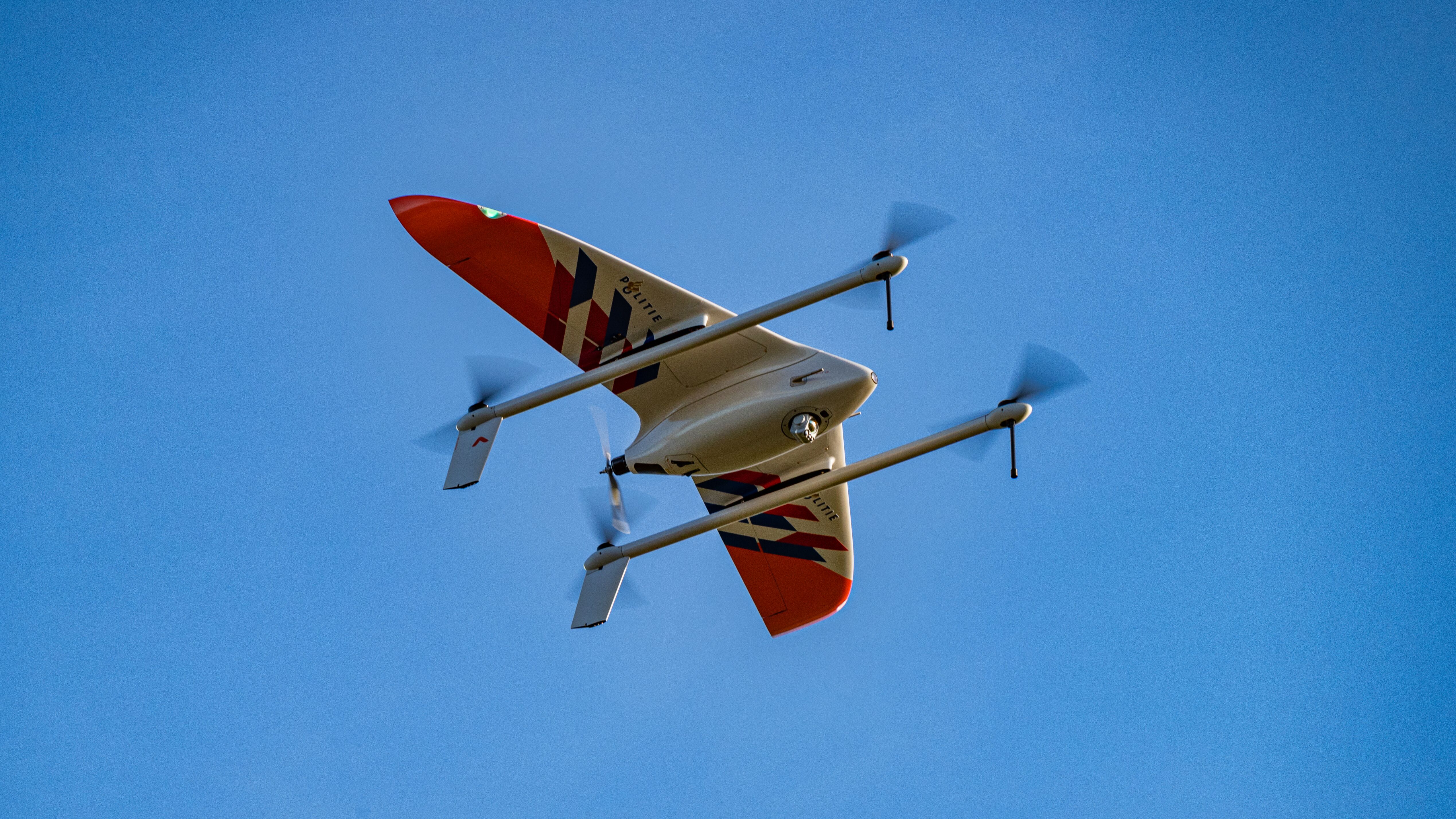
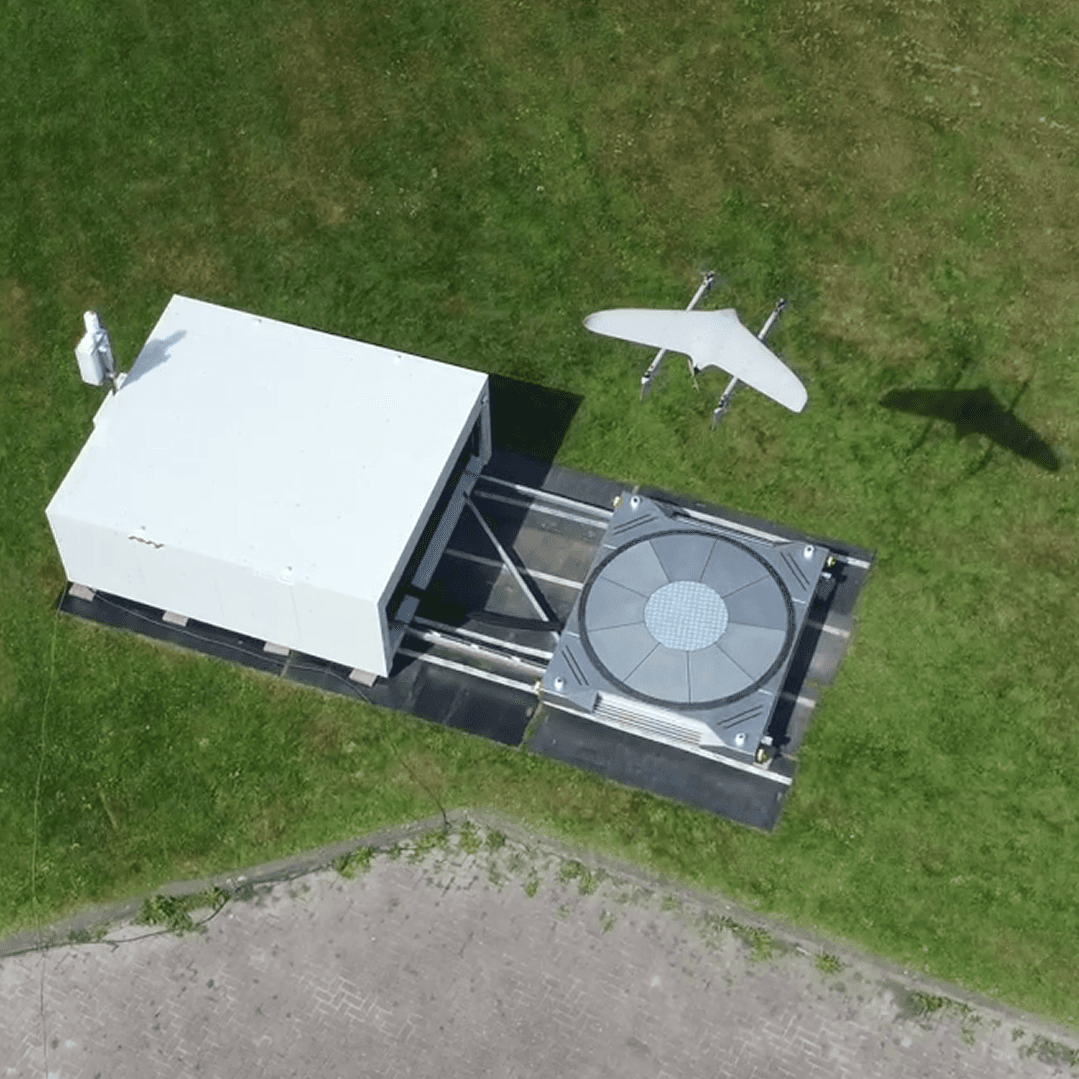
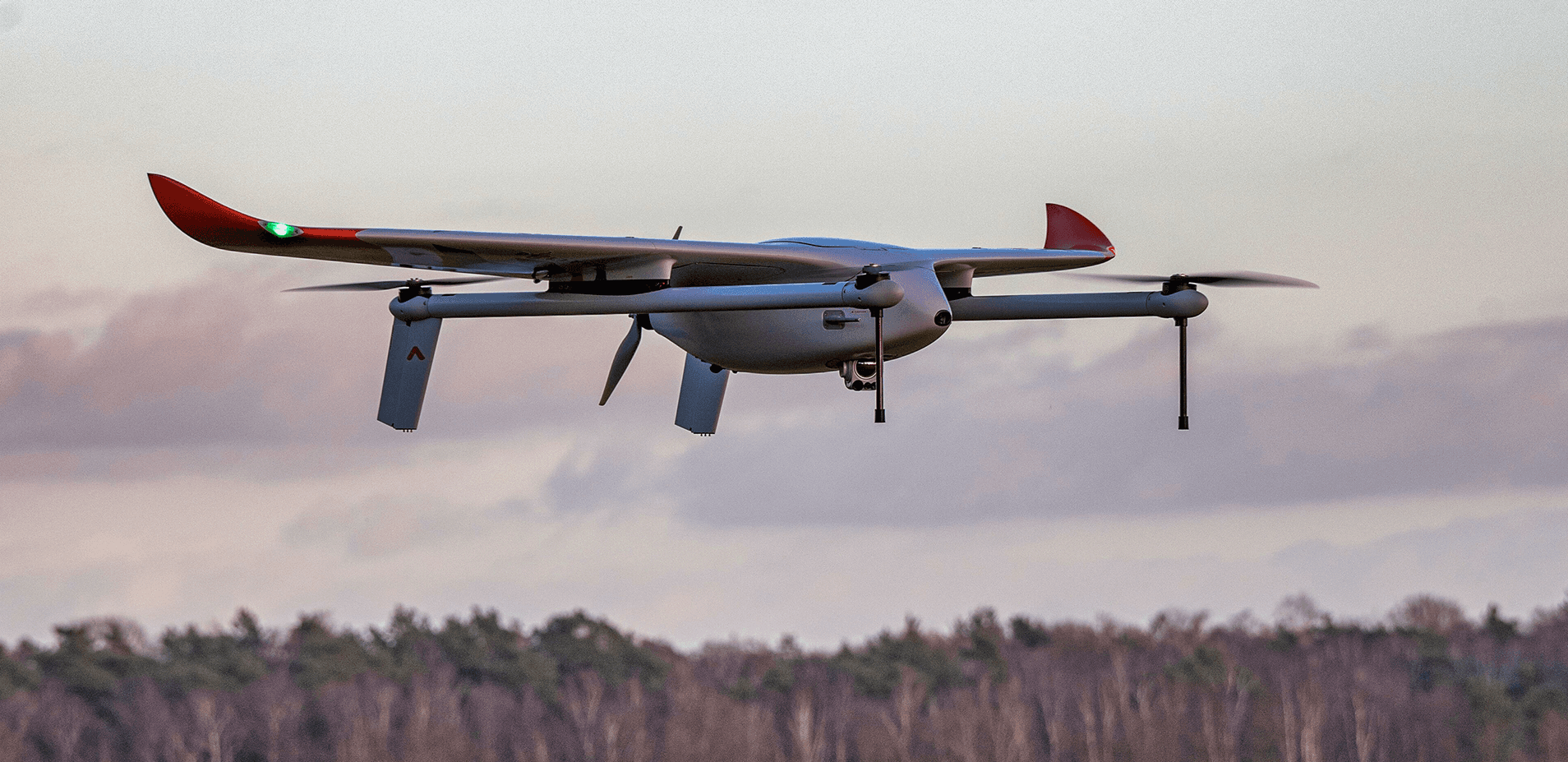
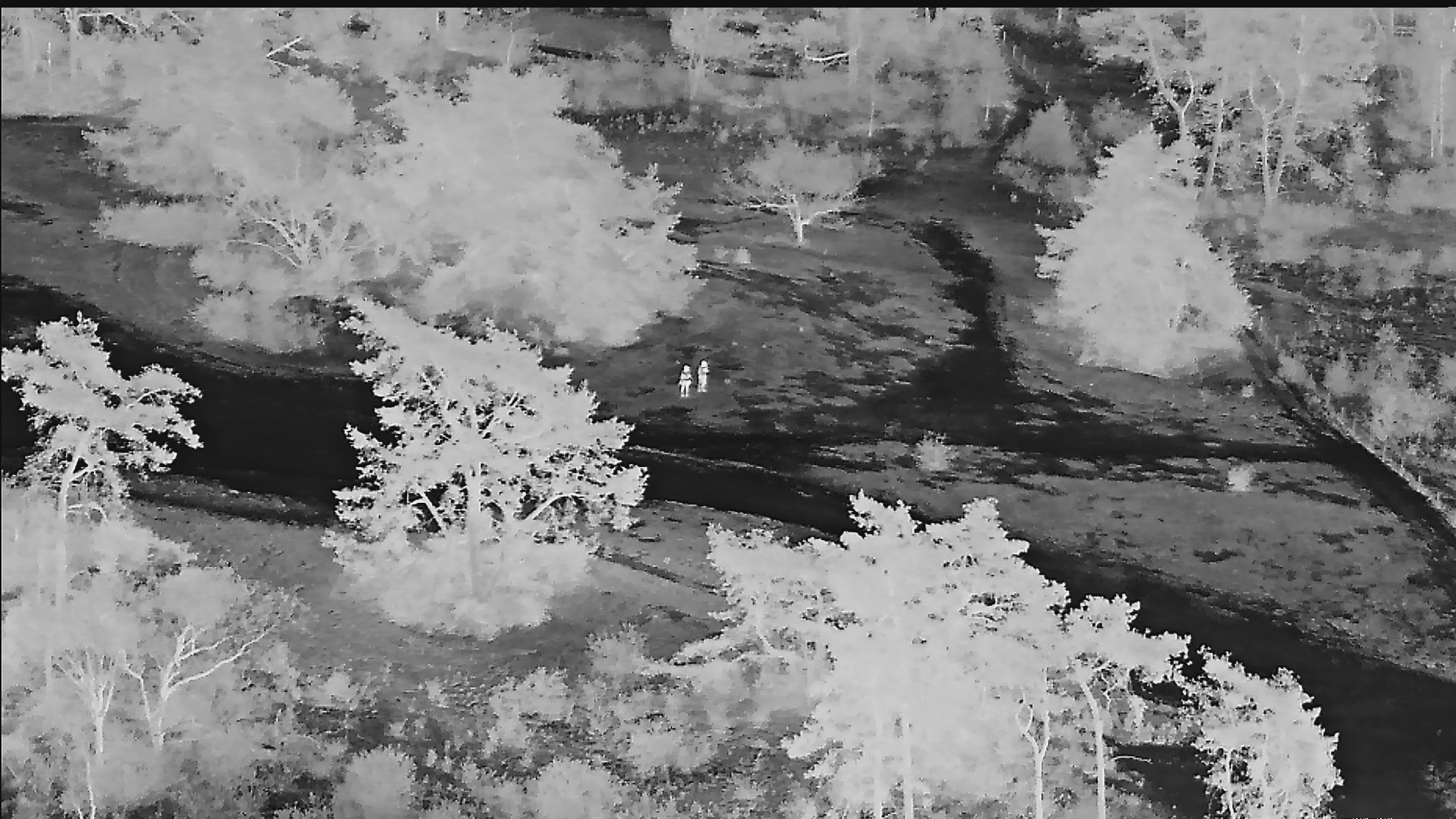
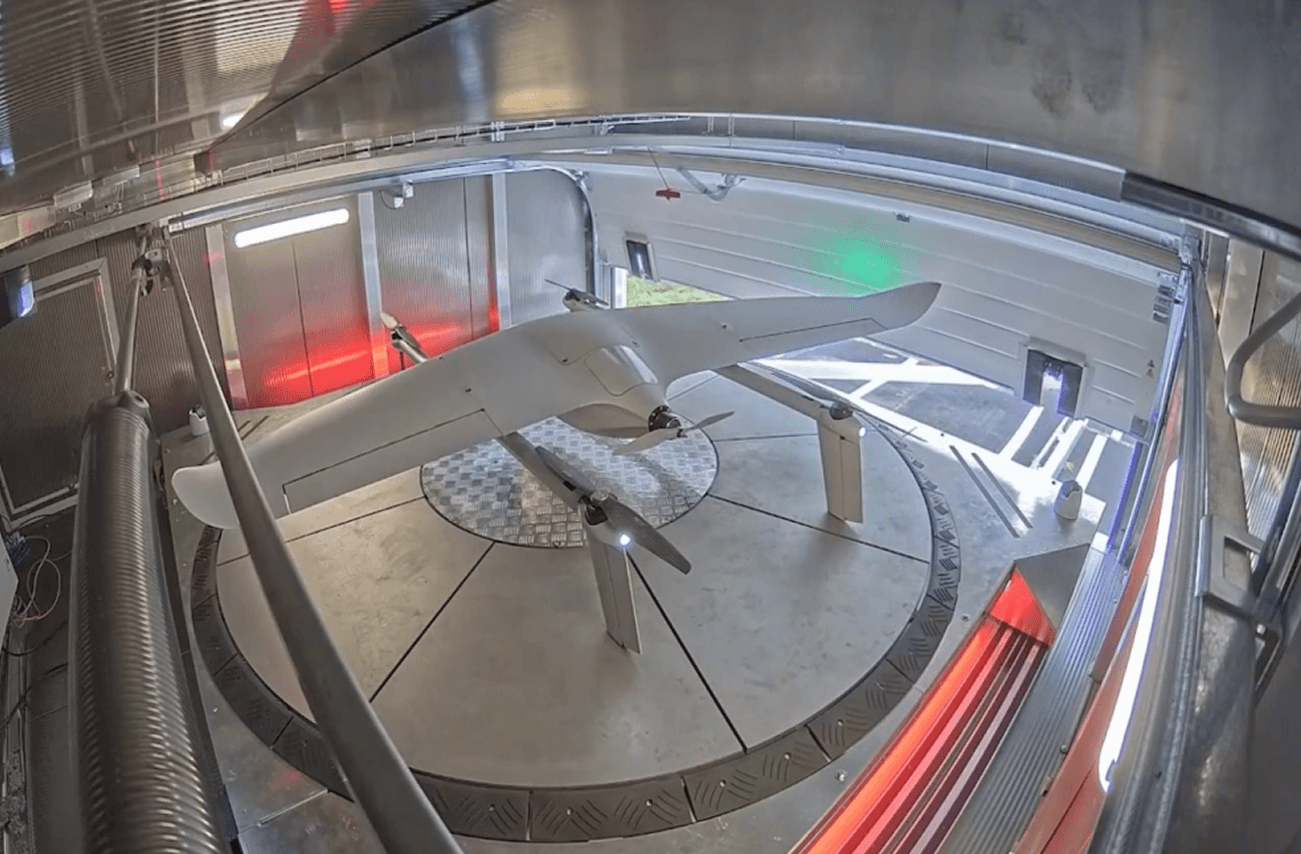
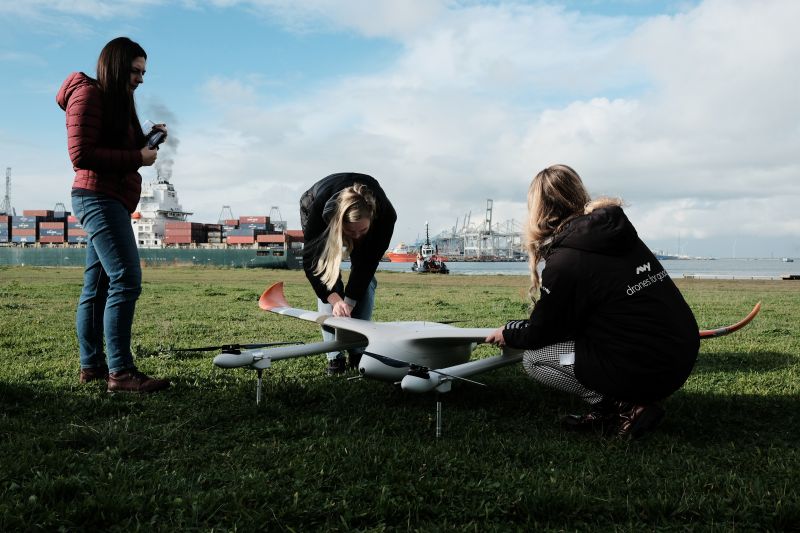
Aera launches from her dock in 30 seconds, flies beyond visual line of sight and finds body heat in darkness, vegetation and water, streaming live video to the search coordinator.
Why search areas outgrow quadcopters
A missing walker, a swimmer swept along a coastline or a person lost in woodland can be kilometres from the last known position. Most quadcopters stay within a few kilometres of their pilot and fly for under 30 minutes, helicopters are costly and rarely close by, and ground teams cover ground slowly. A long-range rescue drone closes that gap.
4 min
Respond from emergency call to eyes over the scene
Fly in
Rain, strong breeze, hot and cold weather
0
Crew on site, dock and drone are remotely operated
The Avy network
A complete aviation system, one operator.
Where a search and rescue drone makes the difference
Coastline and open water
Follow a shoreline or sweep a sea area for a swimmer, a small boat or debris, and stay overhead until a lifeboat arrives.
Forest and dense vegetation
Thermal imaging picks up body heat under tree cover that eyes and standard cameras miss.
Remote terrain
Reach search areas that take ground teams hours to walk into.
Floods and disaster zones
Map flooded or damaged areas and locate people on roofs or high ground when roads are cut off.
Organisations flying
with Avy
Must Read
Citymesh & Belgian coastal police
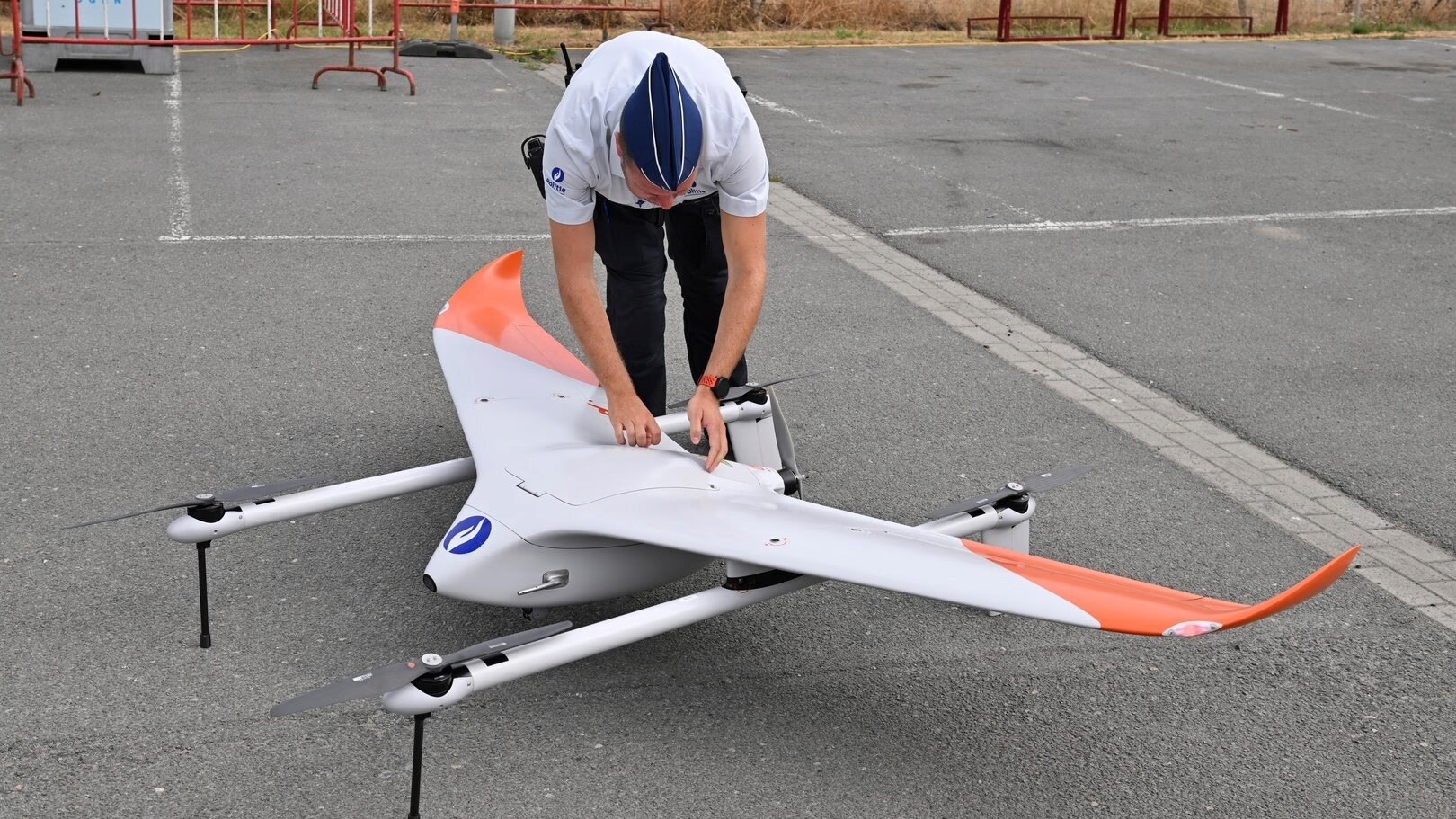
Along the Belgian coast, four police zones have deployed the Avy Aera to support the fight against human smuggling and help prevent dangerous crossings of the English Channel. The aircraft is operated and integrated by Citymesh, with the Avy Aera at the heart of the operation.

Dominik Kondziela
Marketing & Communications Lead
Emergency response

Emergency response

Intelligent surveillance

SEARCH AND RESCUE DRONE PROCESS

From call to coordinates
From call to aerial picture, with human in the loop automation
1
Launch
Aera leaves her dock within 30 seconds of the call.
2
Search
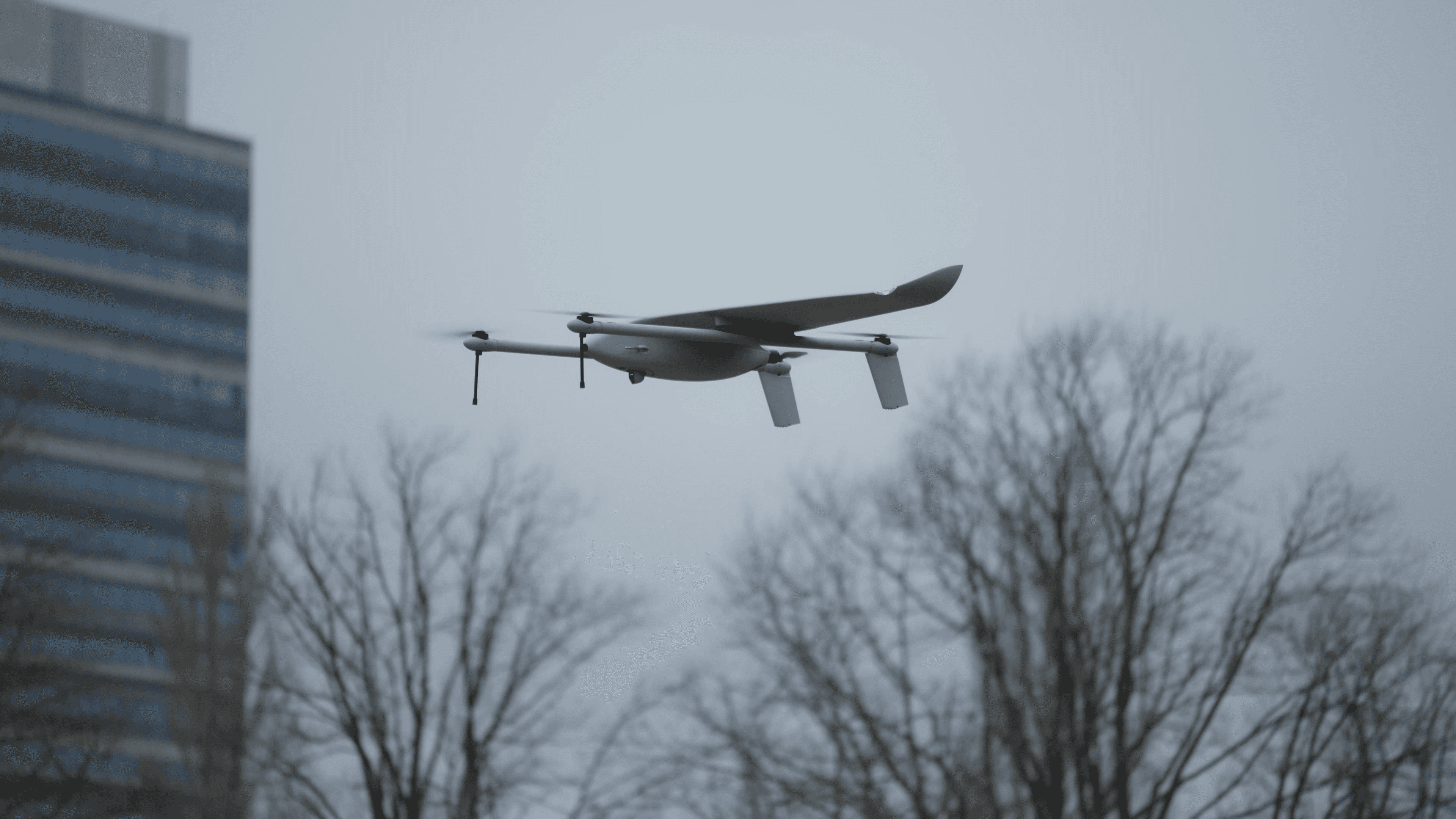
She flies the search pattern beyond visual line of sight at 83 km/h.
3
Detect
The operator spots a heat signature on the live feed.
4
Hold
Aera circles over the person and keeps them in view.
5
Guide
The exact position goes to the teams on the ground.

The Avy way
01 / Range
Search the whole area from one dock
Aera has a range of up to 150 km, so one dock covers a whole region. She reaches the last known position in minutes, not hours, and keeps searching long after a quadcopter would need new batteries.
For more information visit our Aera page.


02 / Thermal
Find body heat, day and night
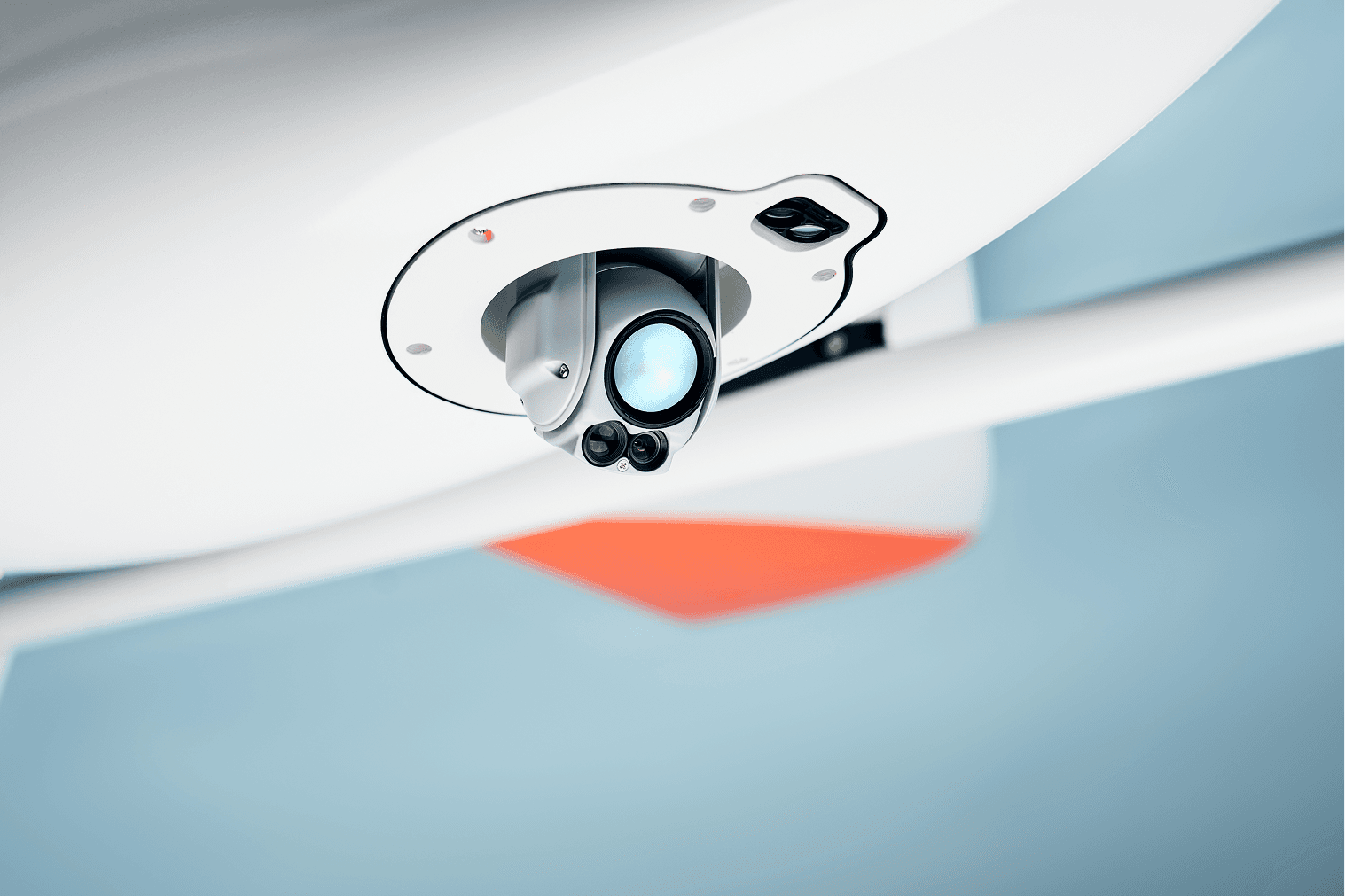
Thermal imaging shows a person as a clear heat signature against cooler ground, water and vegetation. It works in darkness and poor light, when searches are hardest and time matters most.
03 / Autonomy
Automated search patterns
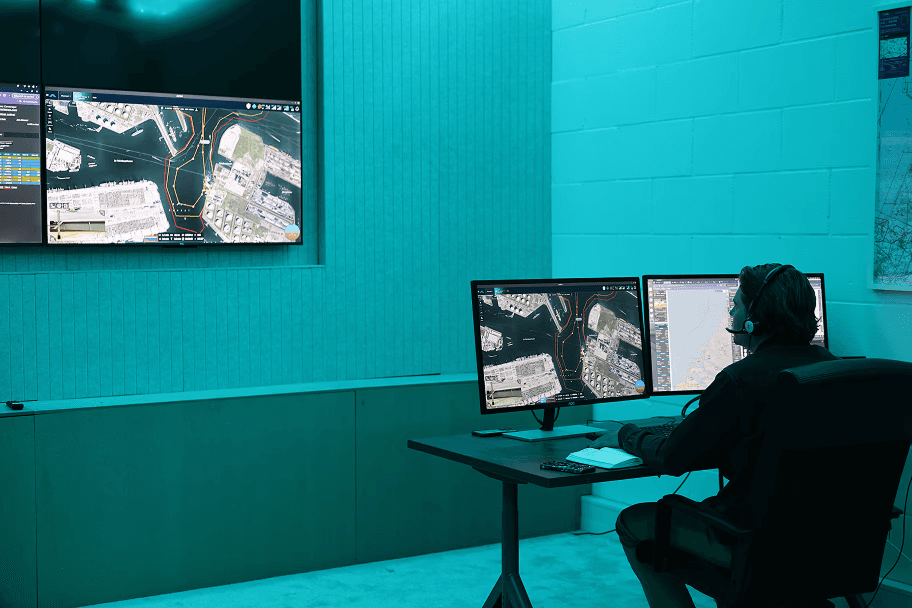
The operator marks the search area and Aera flies the pattern on her own, beyond visual line of sight. Nobody has to fly a remote, so the team’s attention stays on the live feed.
04 / Hold
Stay overhead until help arrives
Once someone is found, Aera circles above them and keeps them in view. The exact position goes to the teams on the ground, or to a lifeboat or helicopter, so they head straight there.
Adding fixed-wings to your fleet?
Search and rescue drone FAQ
Here are a few of the frequently asked questions

FAQ