Police BVLOS drone system
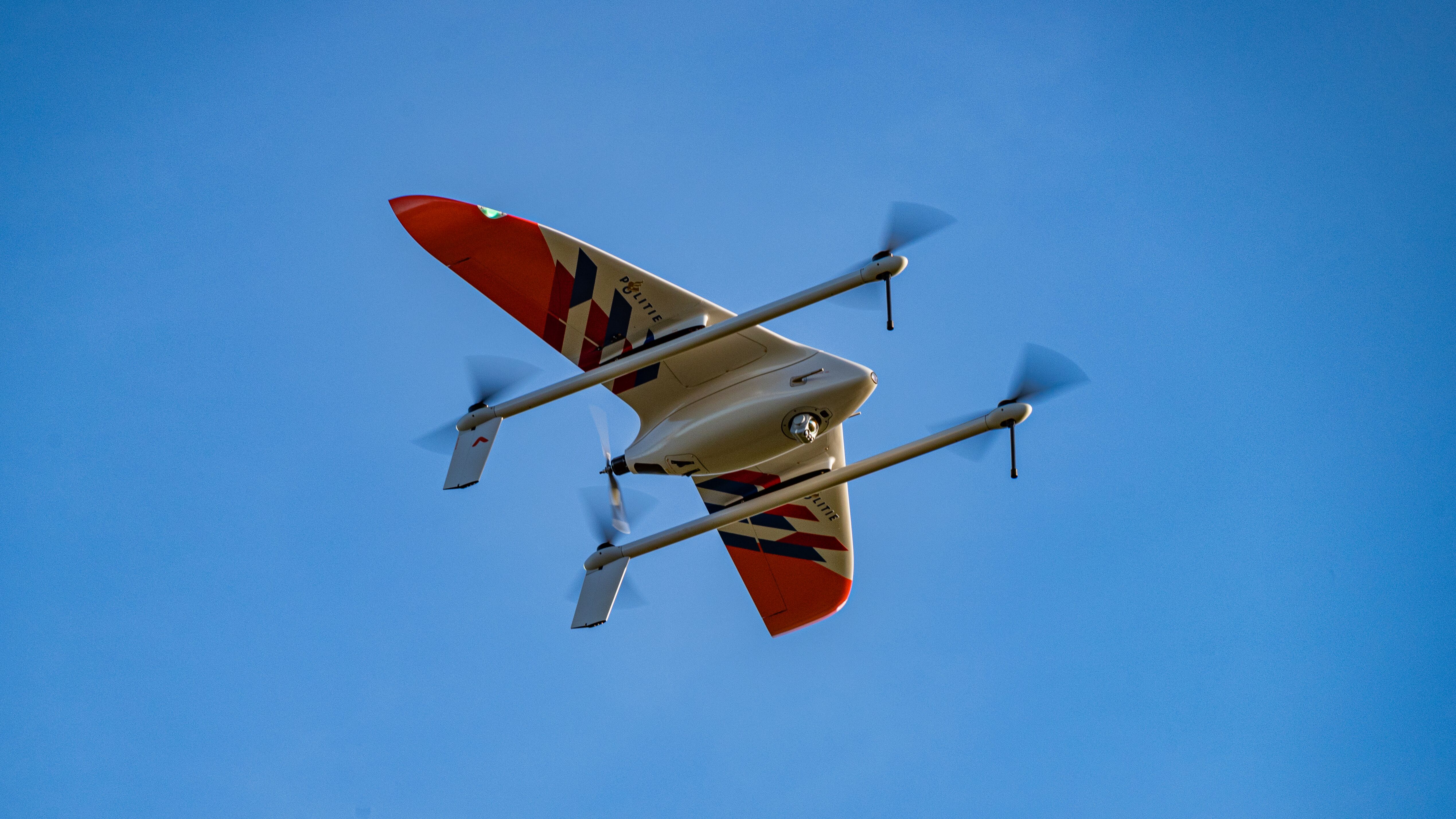
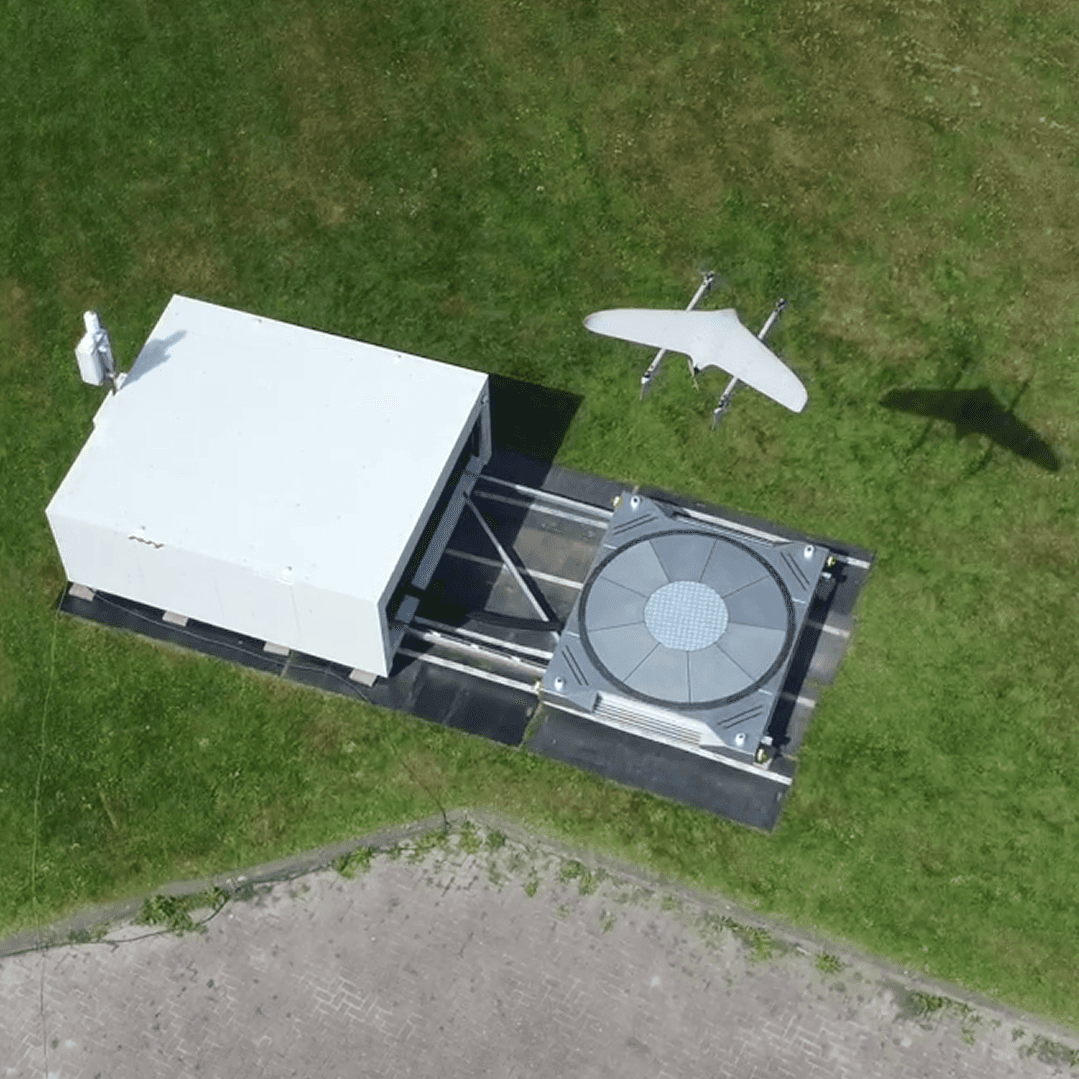
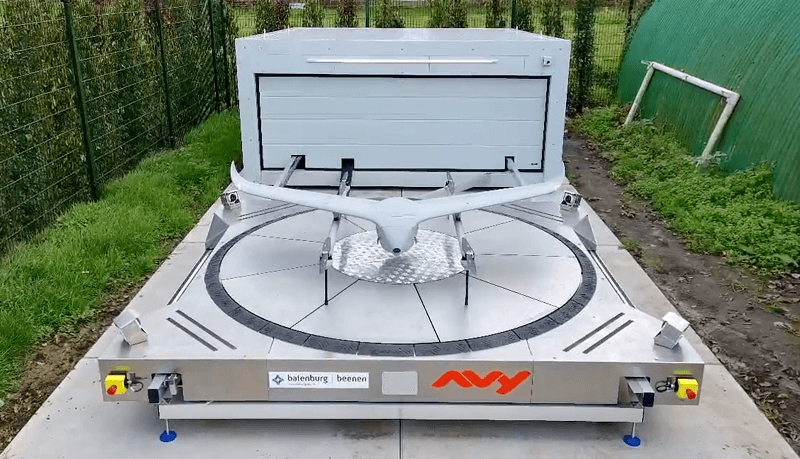
The Avy VTOL Drone+Dock operates autonomously and covers larger distances than any other DFR drone, offering enhanced situational awareness within minutes foir the officers who need it
Police operations across Europe




4 min
Respond from emergency call to eyes over the scene
95%
Operability in rain, strong breeze, hot and cold
0
Crew on site, dock and drone are remotely operated
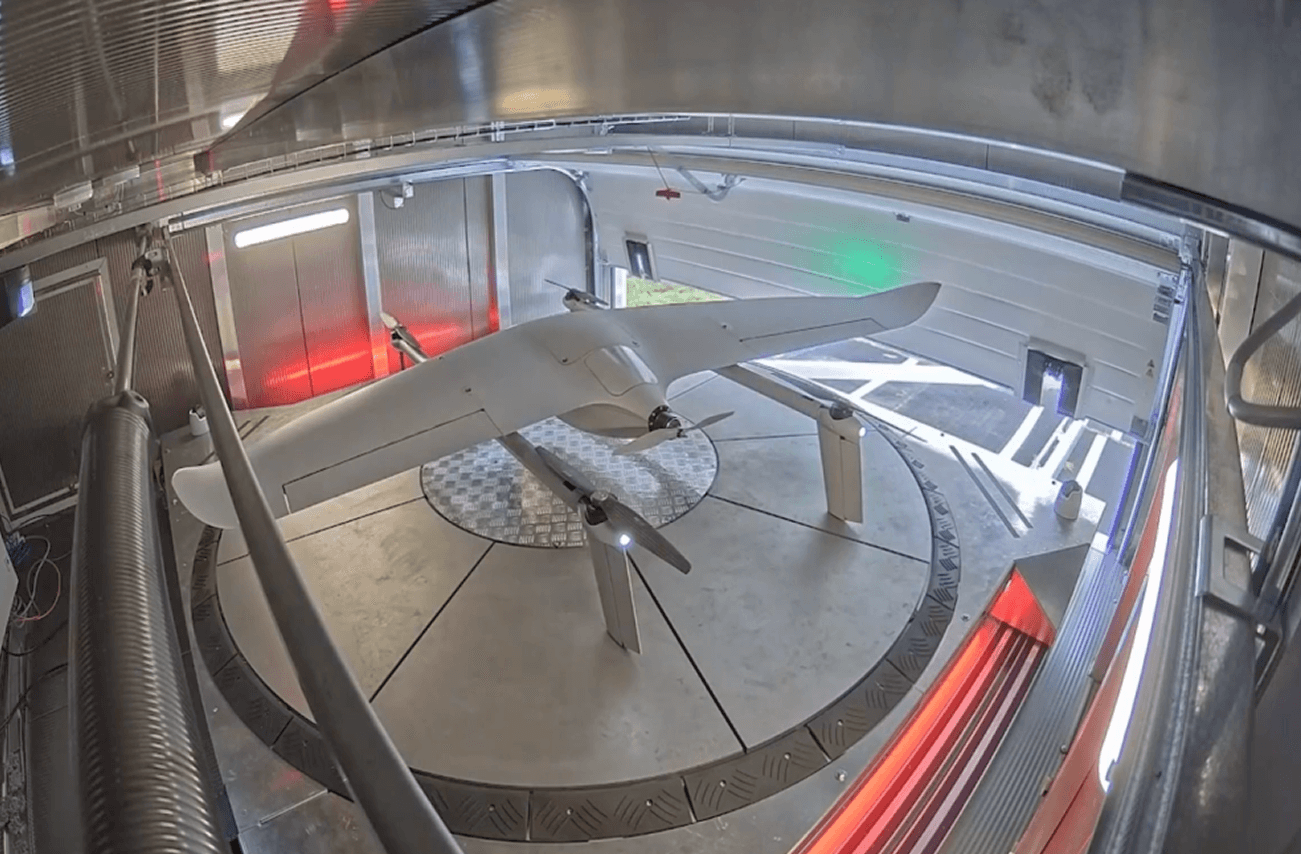
A drone in a box
for the police
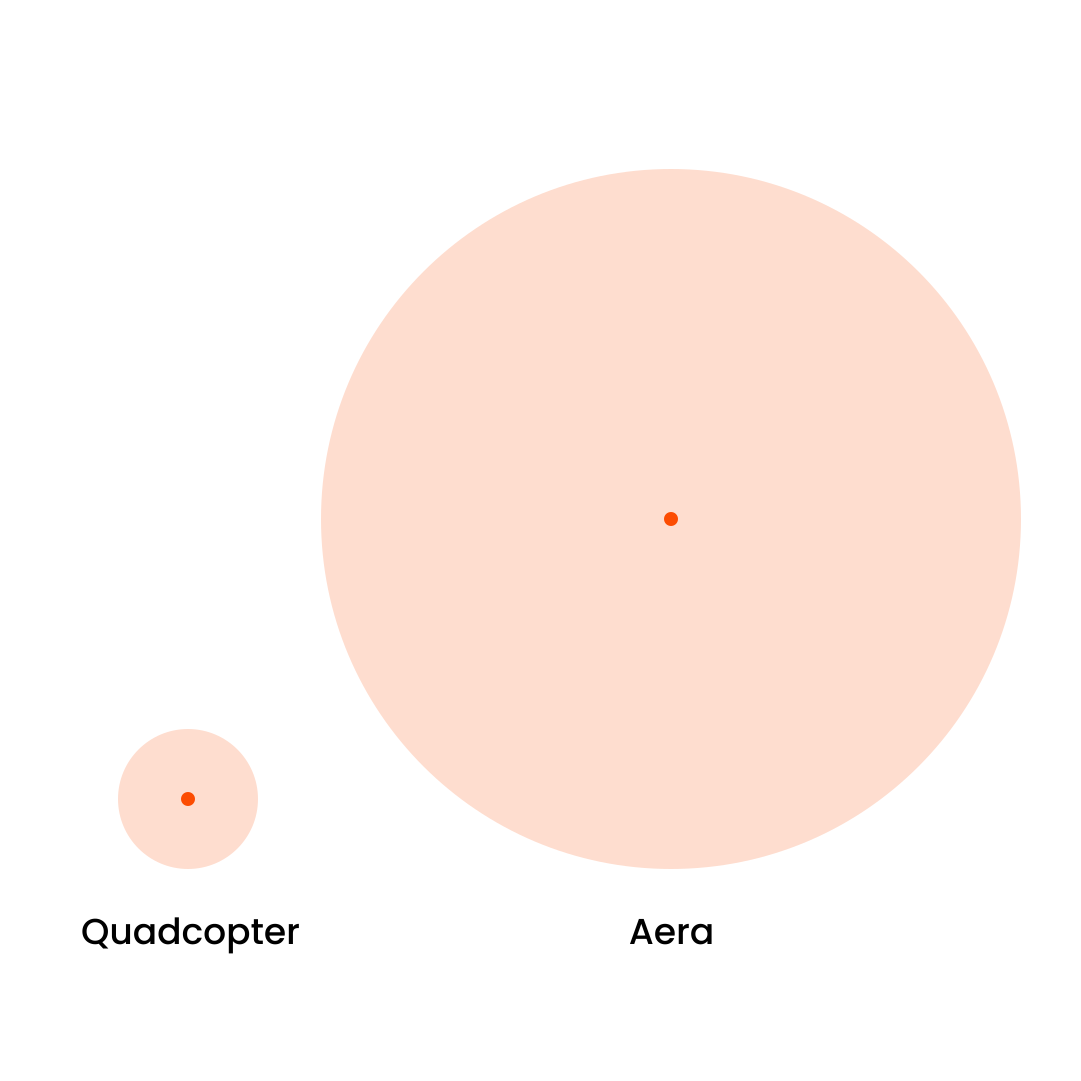
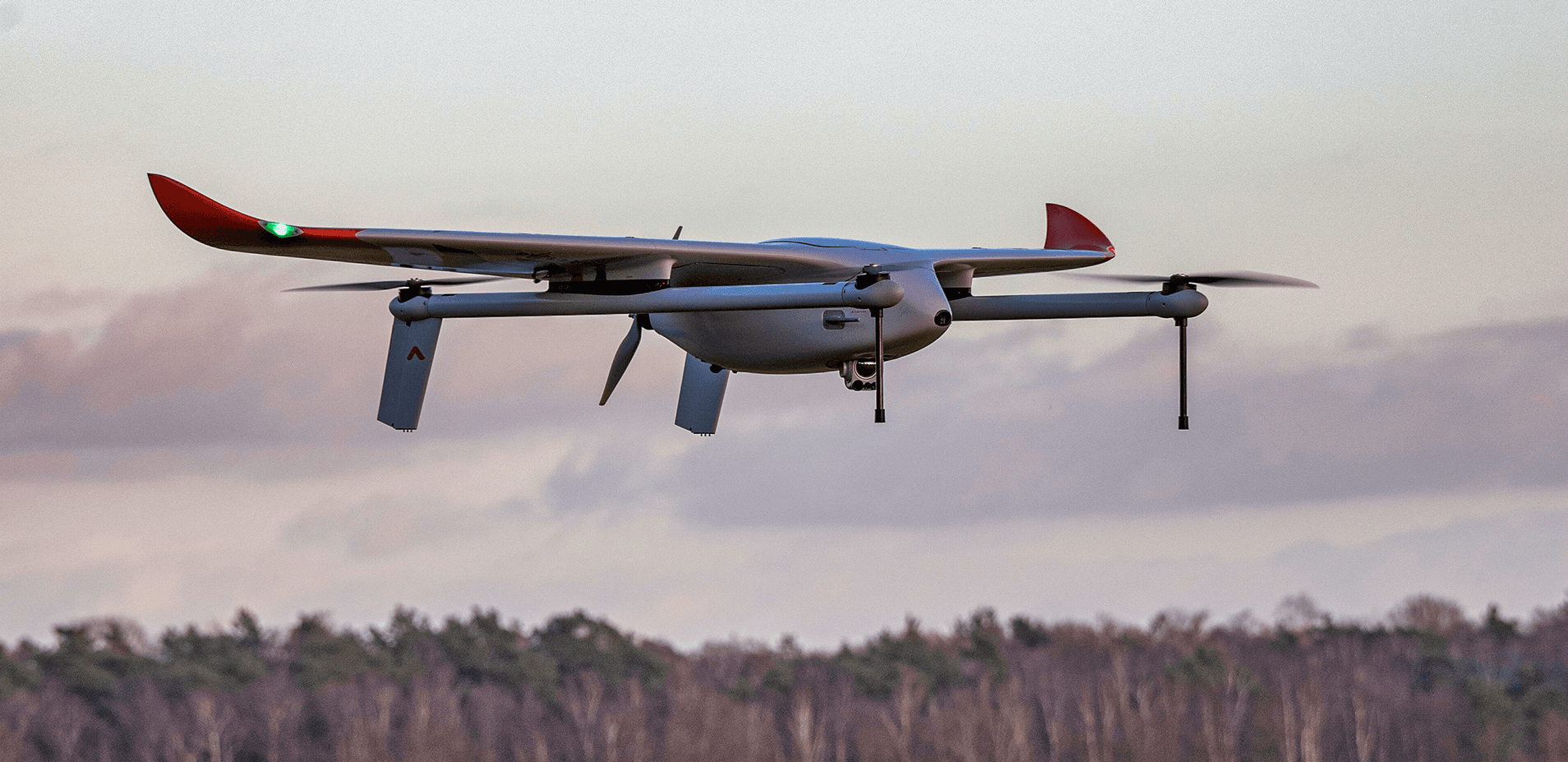
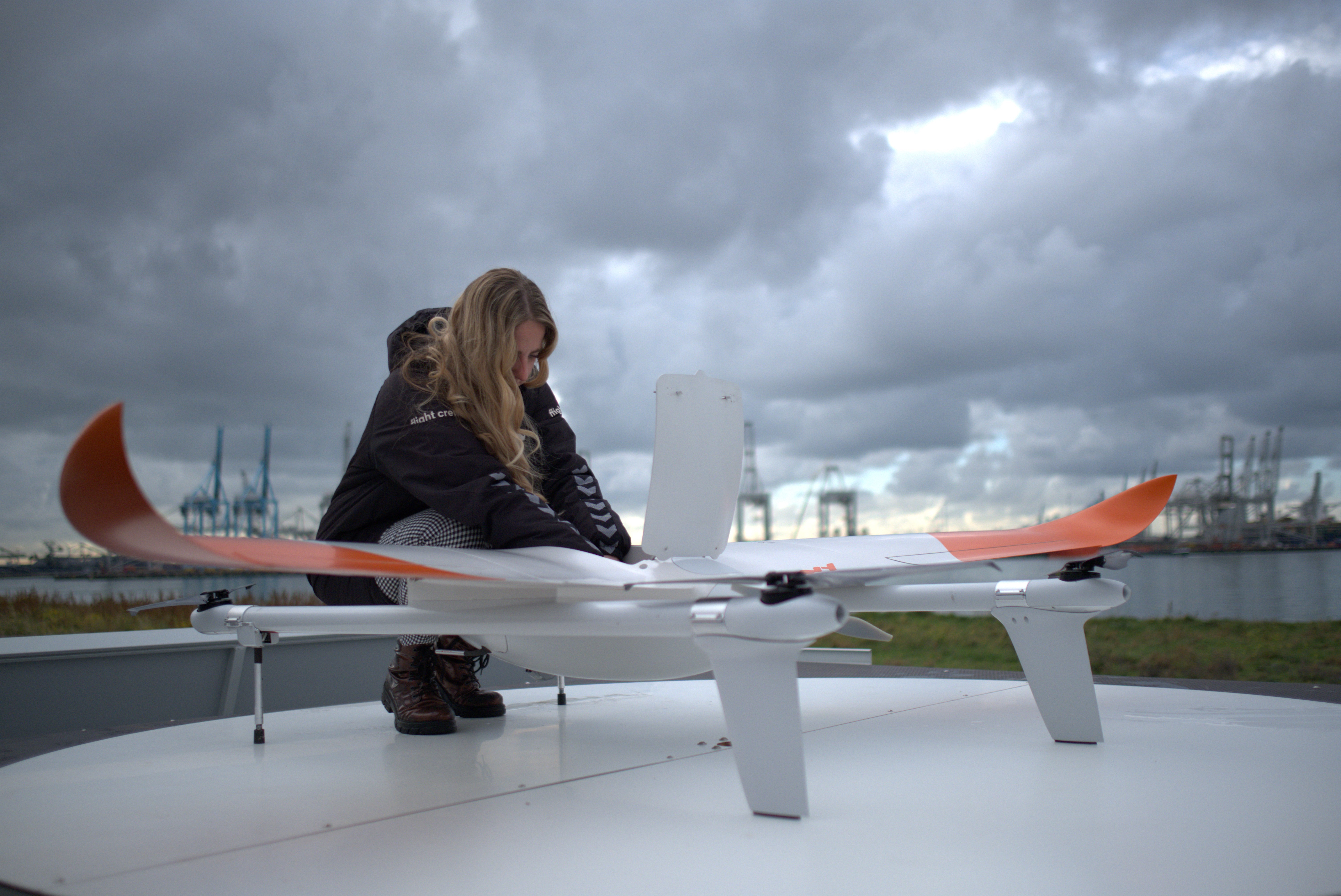
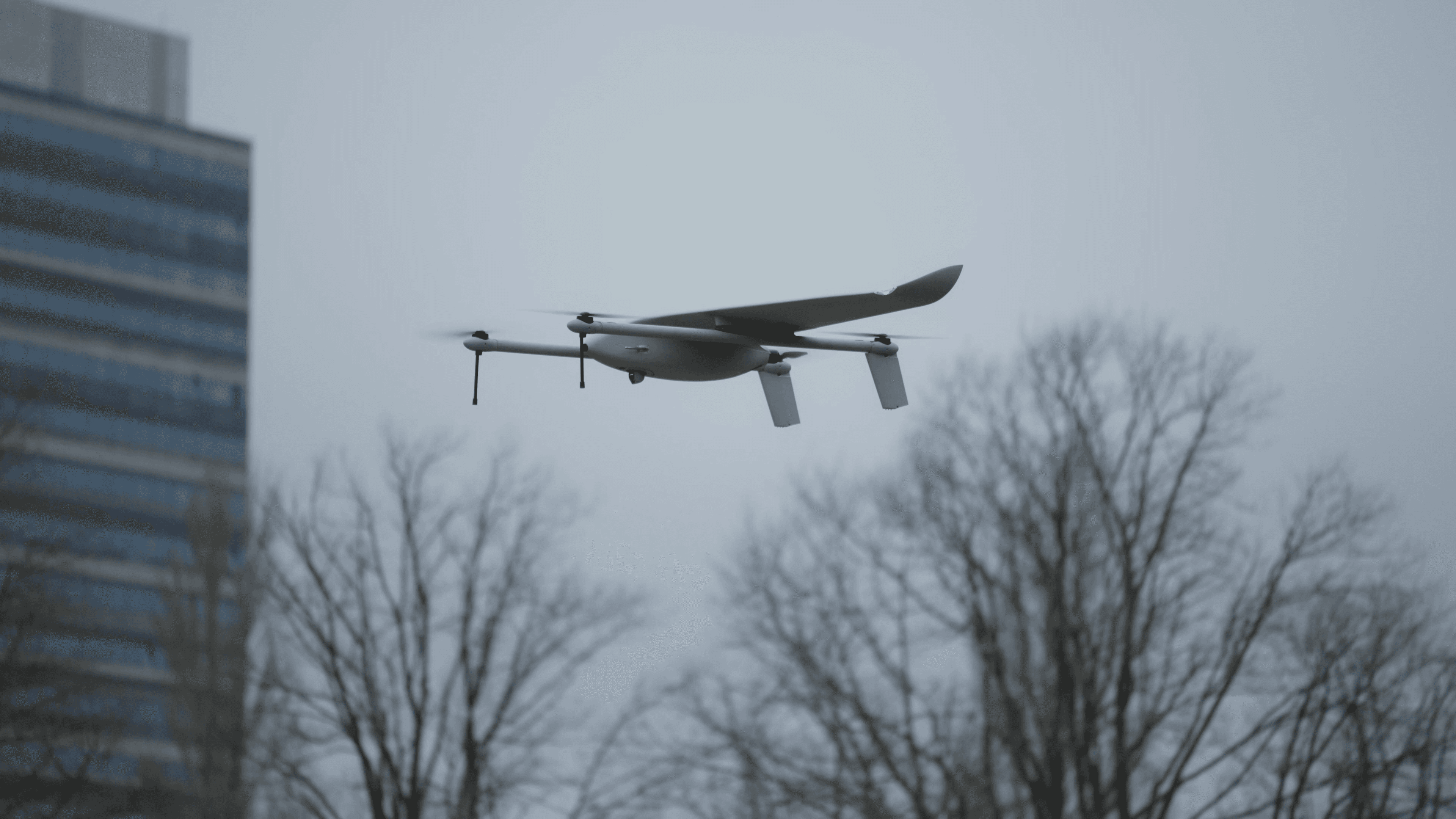
Fixed-wing flight changes what a drone can do. A fixed-wing aircraft uses lift, which is why the Avy Aera covers 100km on a single charge while a comparable multicopter covers 7km.
The Avy network
A complete aviation system, one operator.
Organisations flying
with Avy
Must Read
Citymesh & Belgian coastal police
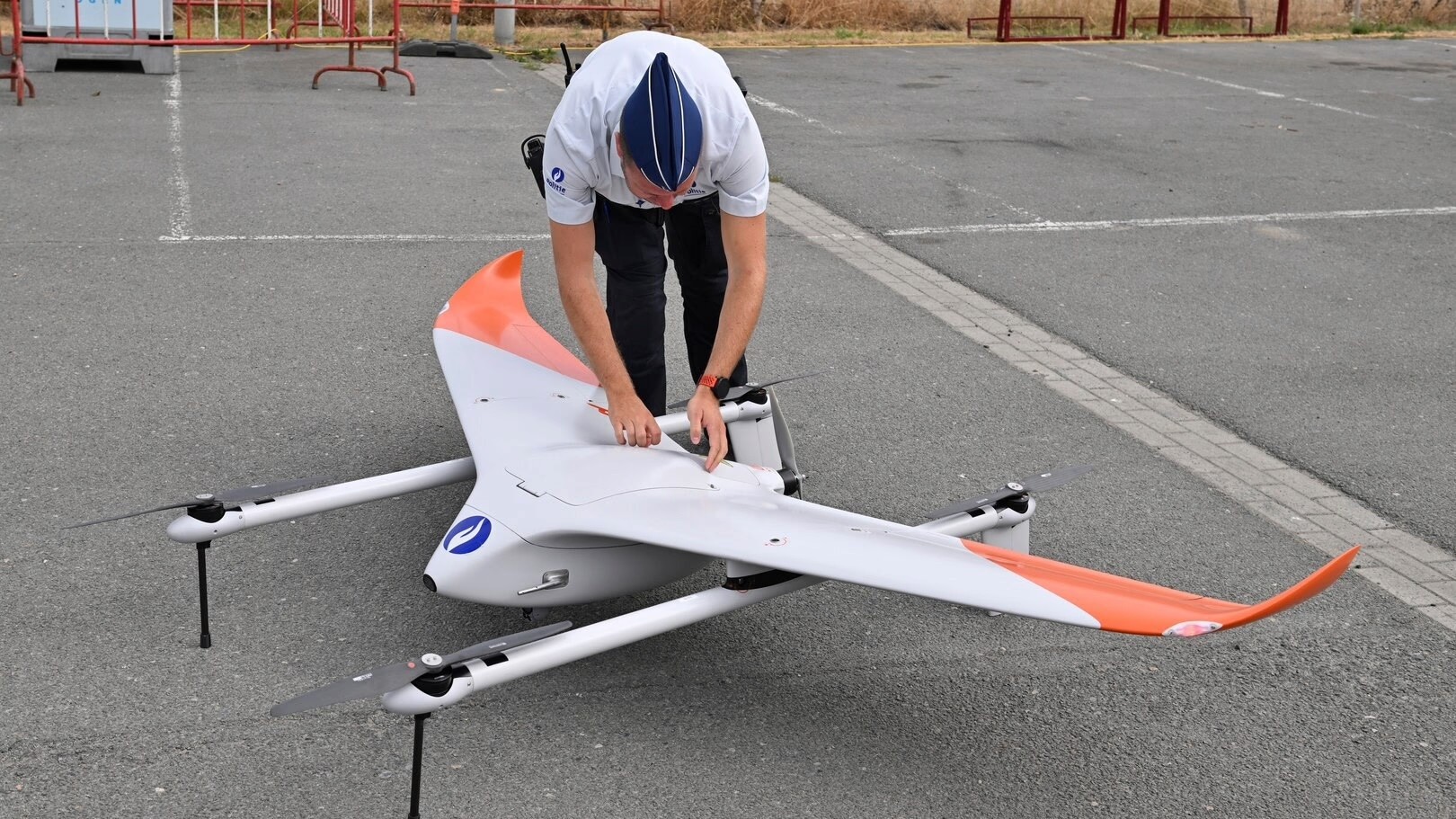
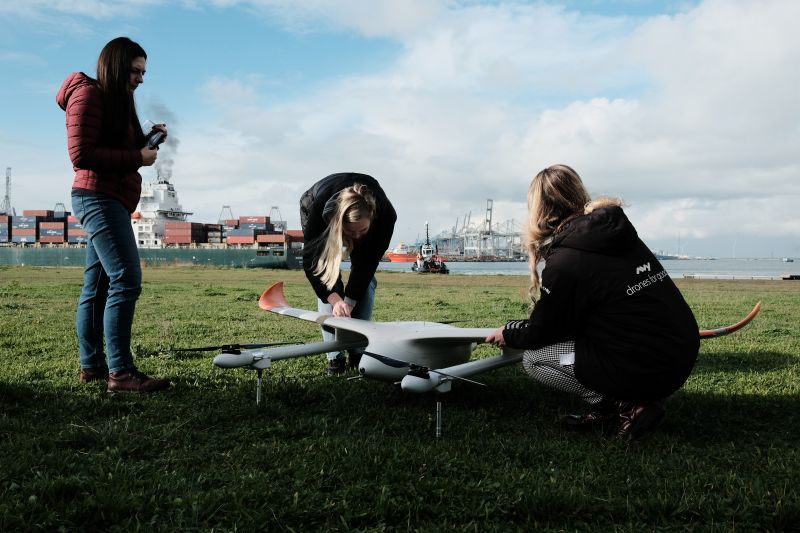
Along the Belgian coast, four police zones have deployed the Avy Aera to support the fight against human smuggling and help prevent dangerous crossings of the English Channel. The aircraft is operated and integrated by Citymesh, with the Avy Aera at the heart of the operation.

Dominik Kondziela
Marketing & Communications Lead
Emergency response
The first 4 minutes…
From call to aerial picture, with human in the loop automation
00:00
Call comes in
The control room accepts the incident and the nearest station is tasked automatically.
00:30
Station opens, drone launches
Vertical take-off from the box, then transition to wing flight for speed.
04:00
Overhead, streaming
Live imagery reaches the control room and the units en route to the scene.
04:10
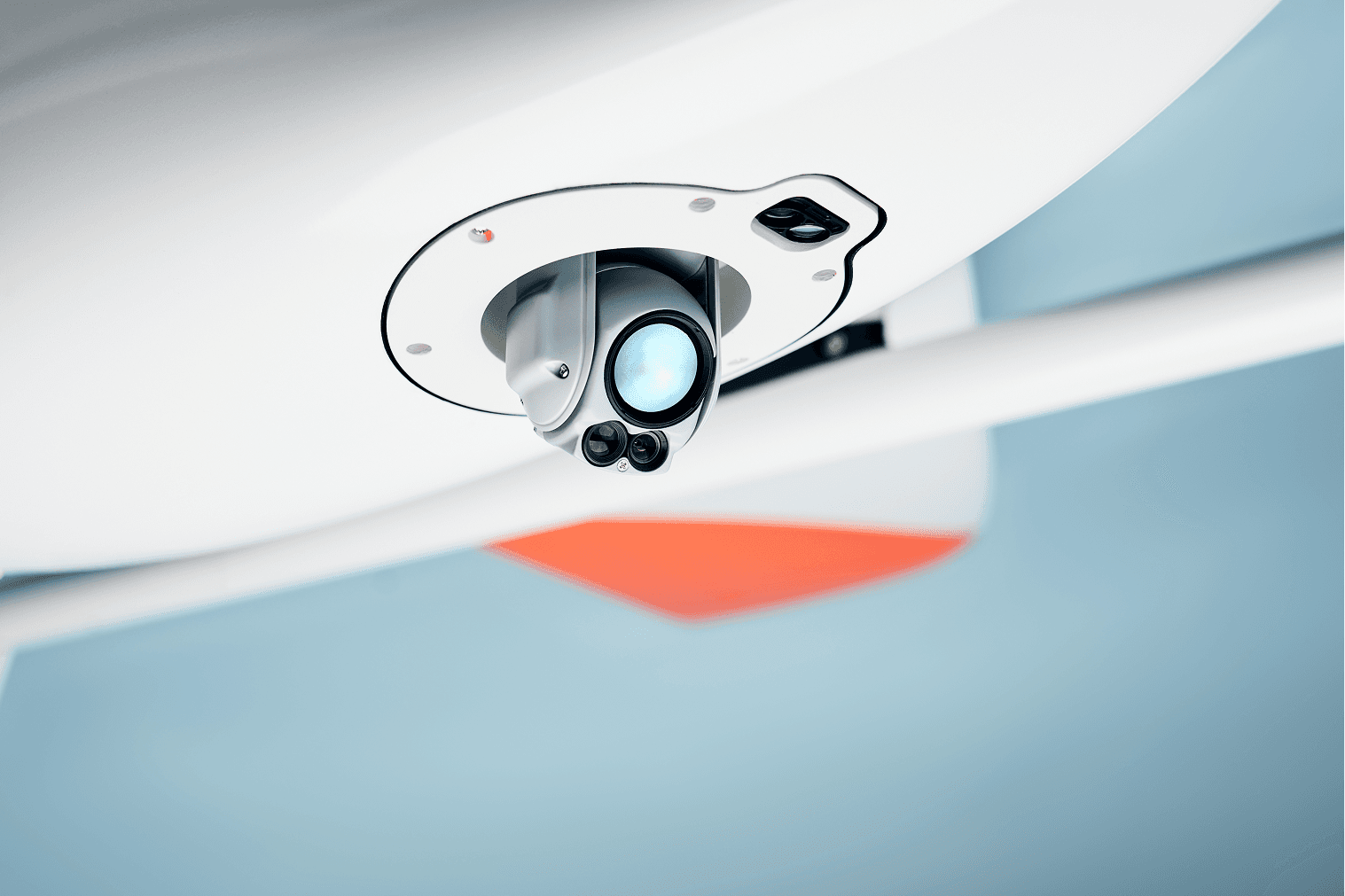
AI reads the scene
People, vehicles and movement are detected and marked in the feed.
75:00
Docks and recharges
The drone lands itself in the station, recharges and logs the footage as evidence.

The Avy way
01 / Speed
On site within 4 minutes
Stations sit inside the response area. The drone is airborne seconds after dispatch and overhead long before the first unit arrives — no travel time, no traffic, no helicopter callout.

02 / Awareness
Increased situational awareness
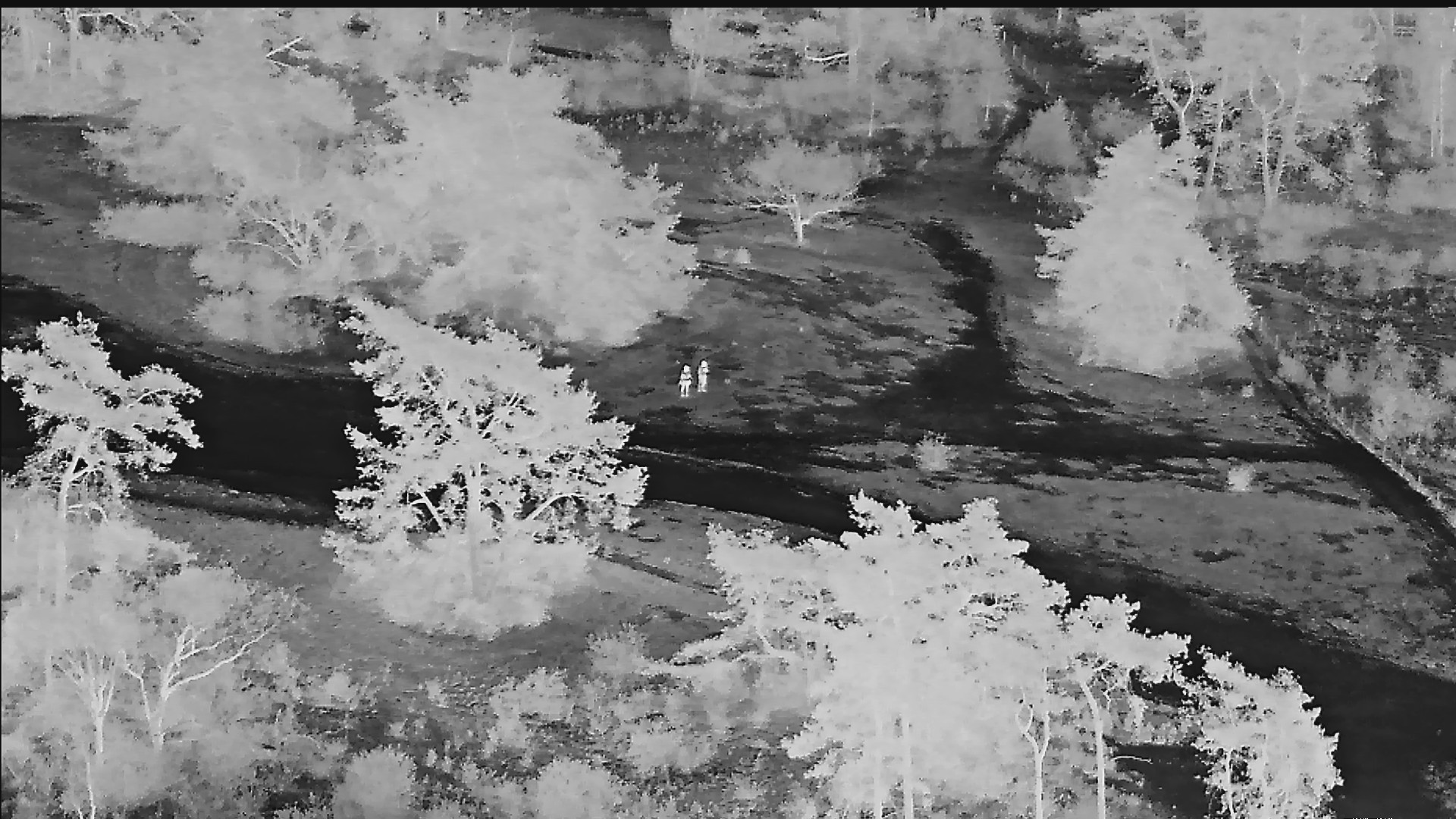
A live eye in the sky for the control room and the officers on the ground: how many people, which exits, where the suspect went, whether it is safe to approach.
For a practical walkthrough, read our guide to adding fixed-wing drones to a police fleet.
03 / Autonomy
Automated flight
Nobody has to use a remote to fly it. The drone handles launch, route, orbit and landing itself, so police attention stays on the incident instead of on drone operation.


04 / AI
AI-assisted assessment
Onboard analysis flags vehicles, people and movement in the feed, so the first read of a scene is a matter of seconds and evidence is captured from the start.
Already flying multirotors? Our guide to adding fixed-wing drones to your police fleet explains what changes, which missions it opens up and how the two work together.





Adding fixed-wings to your fleet
Did we miss anything?
Here are a few of the frequently asked questions


FAQ