Port of rotterdam

See more. From a safe distance.

Autonomous surveillance that launches in seconds, tracks targets automatically, and keeps your operators out of harm's way.

Intelligent surveillance: autonomous drones for persistent monitoring and rapid deployment

Intelligent surveillance: autonomous drones for persistent monitoring and rapid deployment

Effective surveillance requires two things that are difficult to deliver simultaneously: the ability to maintain a persistent watch over a defined area, and the ability to respond immediately when something changes. Ground-based cameras cover fixed points. Manned aircraft are expensive to operate continuously. Conventional drones require a pilot on site and are limited in range.

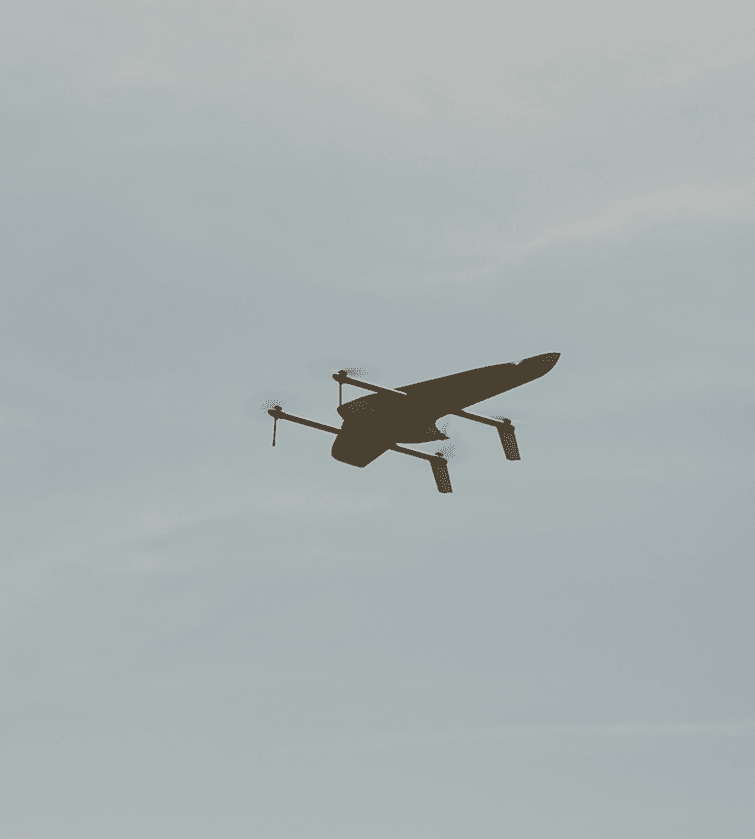
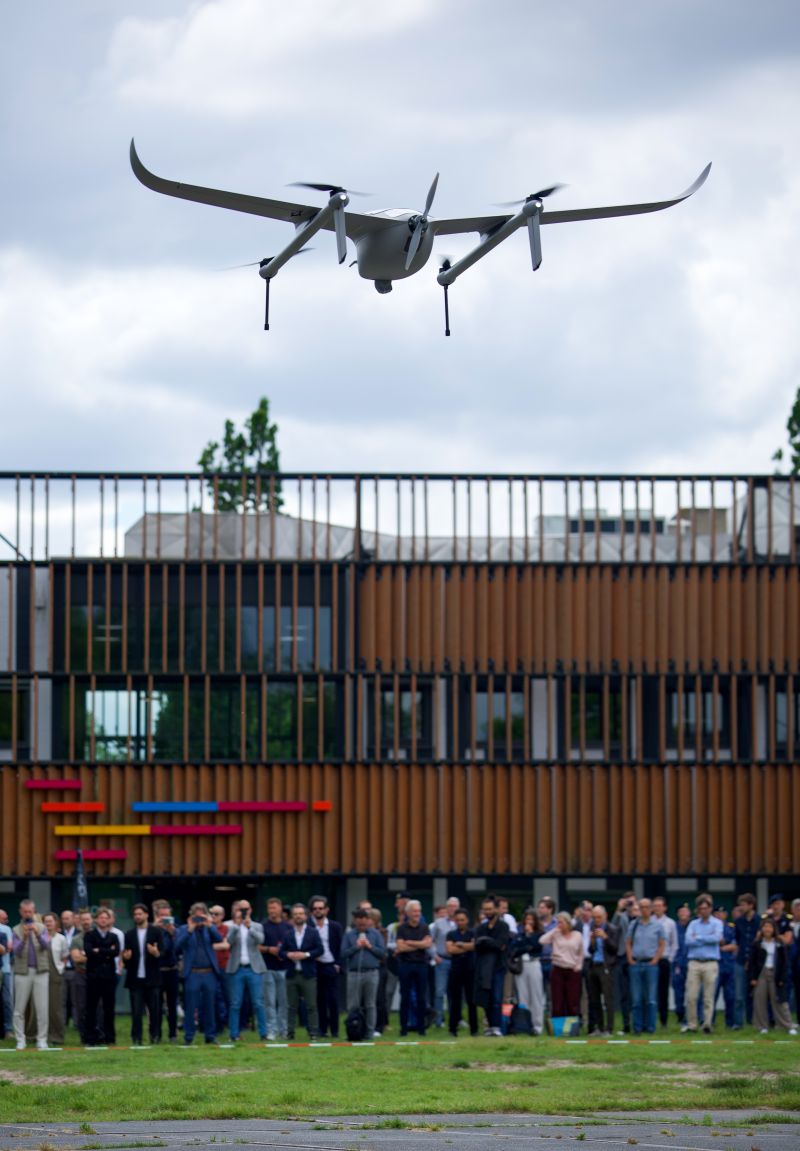
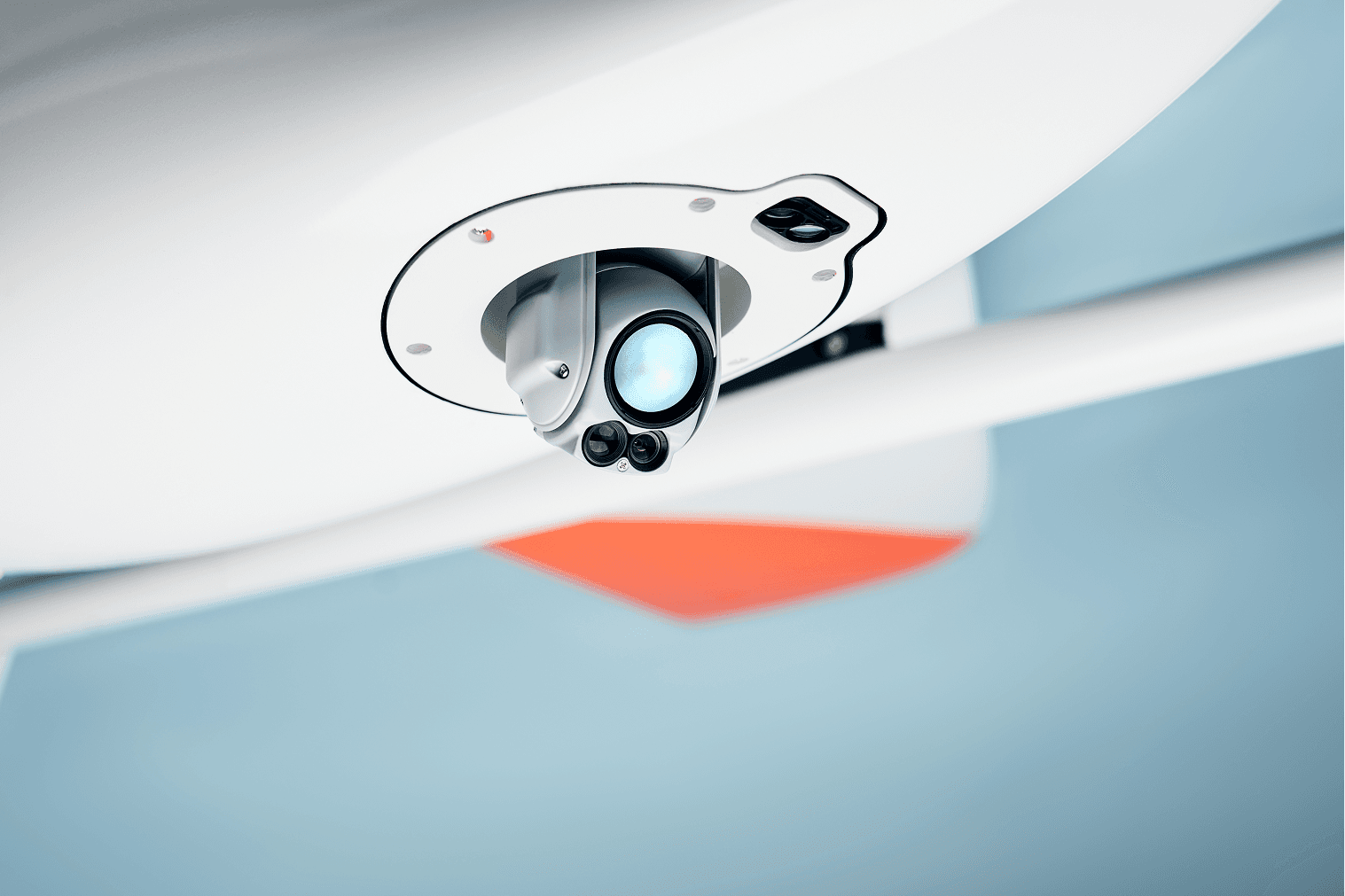
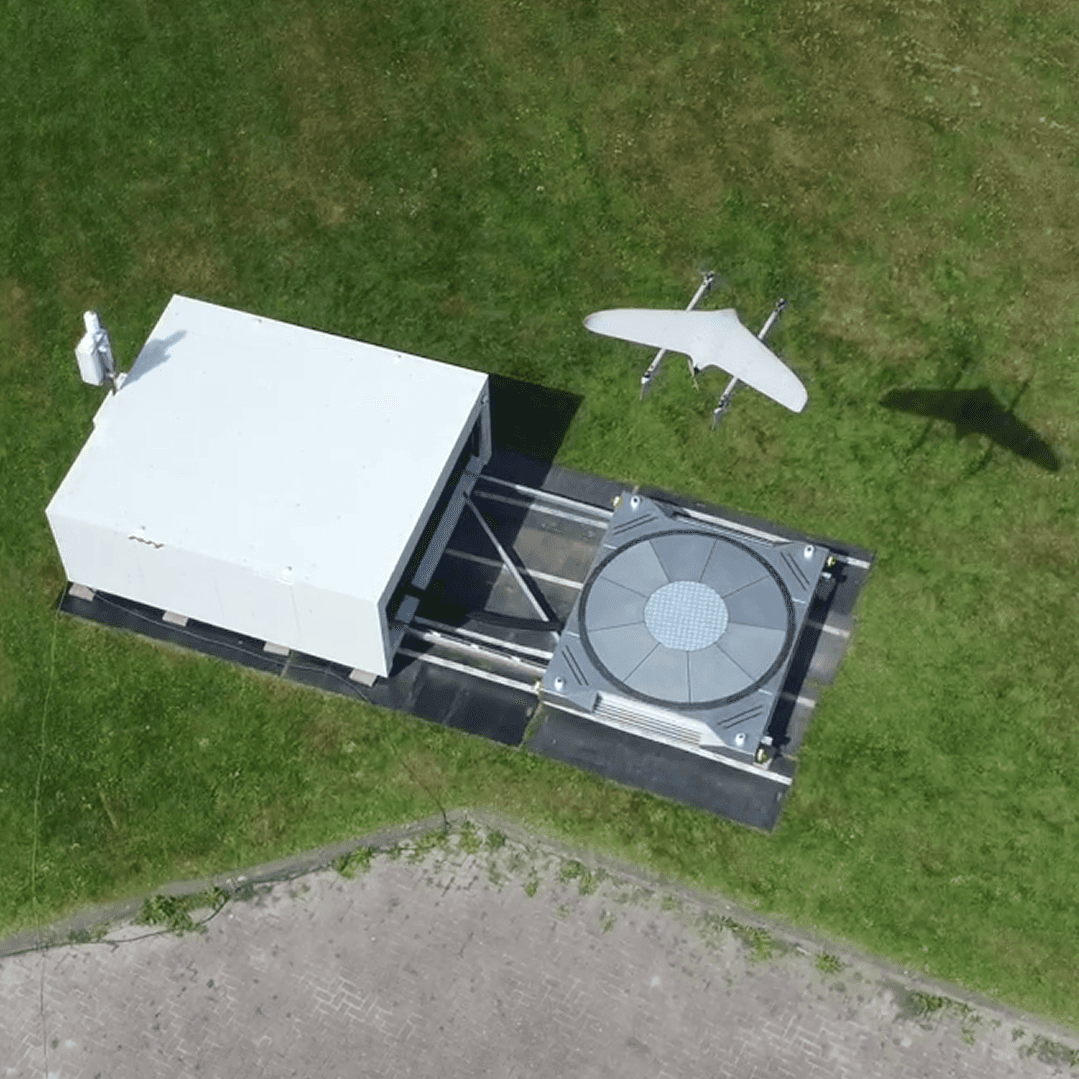
Avy's autonomous drone surveillance system does both. A permanently stationed Avy Aera and docking station can patrol a defined area on a schedule, respond to triggered alerts within 30 seconds, and stream live thermal and RGB footage to operators without anyone needing to be at the deployment location. The system doesn't just watch. It acts on what it sees.
What intelligent surveillance means in practice

What intelligent surveillance means in practice

The word "intelligent" is specific. Avy's surveillance capability is built around three things that distinguish it from a camera or a manually piloted drone.

Autonomous flight with predefined zones

Aera flies programmed patrol routes automatically, covering defined areas on a consistent schedule. Operators set the zones; the aircraft executes without manual input for every flight.

AI-driven alerting

The system can be configured to detect and flag specific conditions: thermal anomalies, movement in restricted zones, objects of interest, or deviations from a baseline.

Persistent readiness.

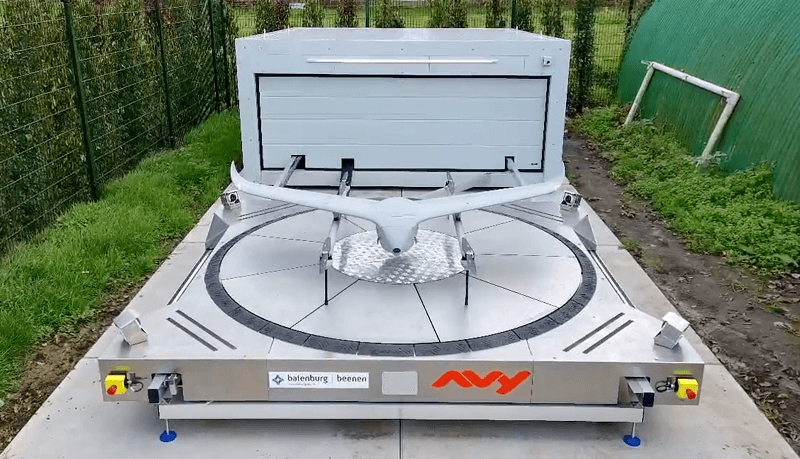
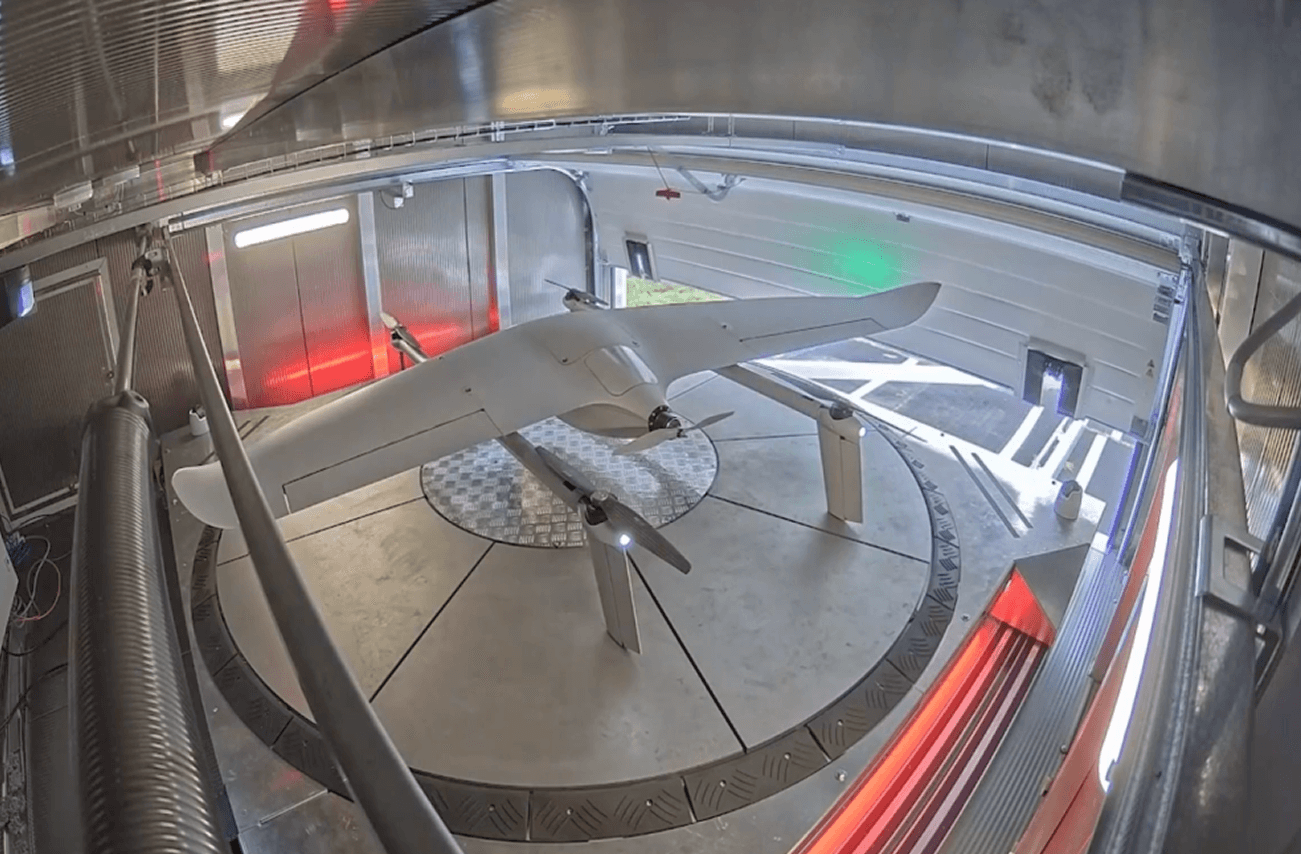
Between missions the docking station recharges the aircraft automatically. The system is always ready for the next deployment, whether scheduled or triggered by an alert, with no operator needed on site.

How Avy is used for surveillance

How Avy is used for surveillance

Maritime and naval surveillance

Maritime and naval surveillance

Avy has been selected to work with the Koninklijke Marine, the Royal Dutch Navy and a vital NATO partner responsible for maritime security, deterrence, and rapid disaster and humanitarian response across key regions worldwide.

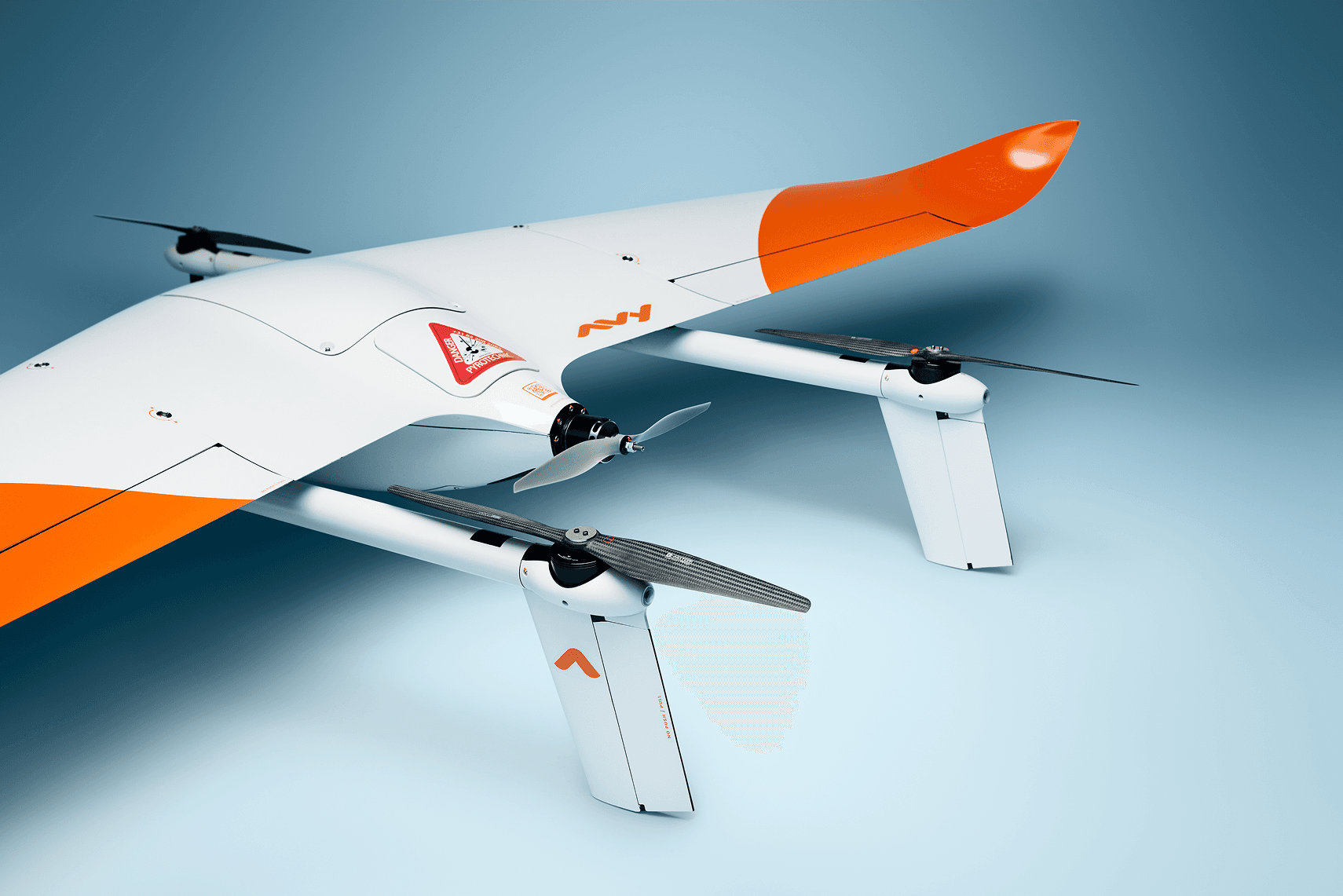
Maritime surveillance presents specific challenges that eliminate most drone systems. Rough seas, sustained high winds, salt air, and a moving ship as a launch and landing platform demand a level of robustness that consumer and prosumer drones cannot meet. The Avy Aera operates in winds above 35 knots, handles maritime weather conditions as standard, and is designed for deployment from non-standard surfaces including ship decks.

At 100km/h cruise speed and 100km range, the Aera covers maritime search areas that would require multiple shorter-range assets to monitor, delivering live situational awareness to commanders regardless of conditions on the water.

Aera defence

Border and customs surveillance

Border and customs surveillance

Avy works with a national customs authority on autonomous drone surveillance operations. Customs and border surveillance requires coverage of large, often remote geographic areas on a consistent basis, with the ability to respond rapidly to detected activity.

The drone-in-a-box deployment model is well suited to this application. Docking stations can be positioned at fixed points along a border or customs zone, each covering a defined area autonomously. Alerts triggered by detection of movement or thermal anomalies dispatch the aircraft immediately, providing live footage to operators before a ground response is mobilised.

Perimeter and infrastructure security

Perimeter and infrastructure security

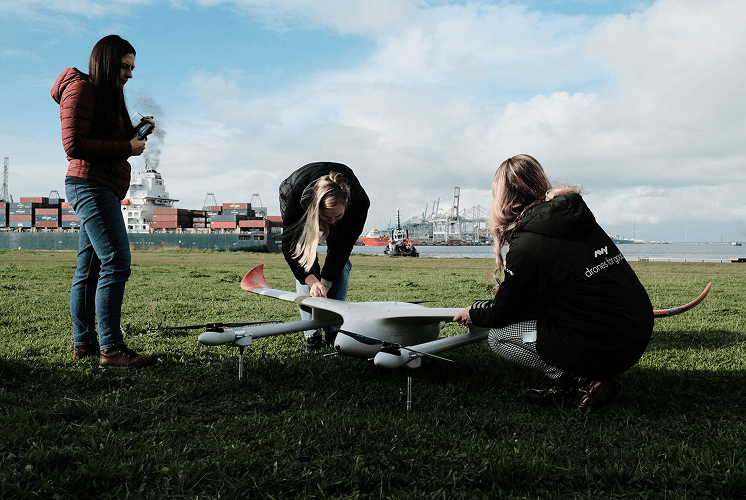
For operators managing large fixed sites, whether industrial facilities, critical national infrastructure, port perimeters, or restricted zones, autonomous drone surveillance provides coverage that static cameras and foot patrols cannot match economically.

A single Avy docking station covers a perimeter that would require multiple fixed cameras or continuous ground patrols. Scheduled flights maintain a consistent watch; alert-triggered deployments respond to specific events. The system integrates with existing security operations centre workflows, delivering footage and alerts without requiring dedicated drone operators on site.

ops centre

The system behind intelligent surveillance

100 km/h

Cruise speed

100 km

Range per charge

30 sec

Dock operation

30+ knots

Wind tolerance

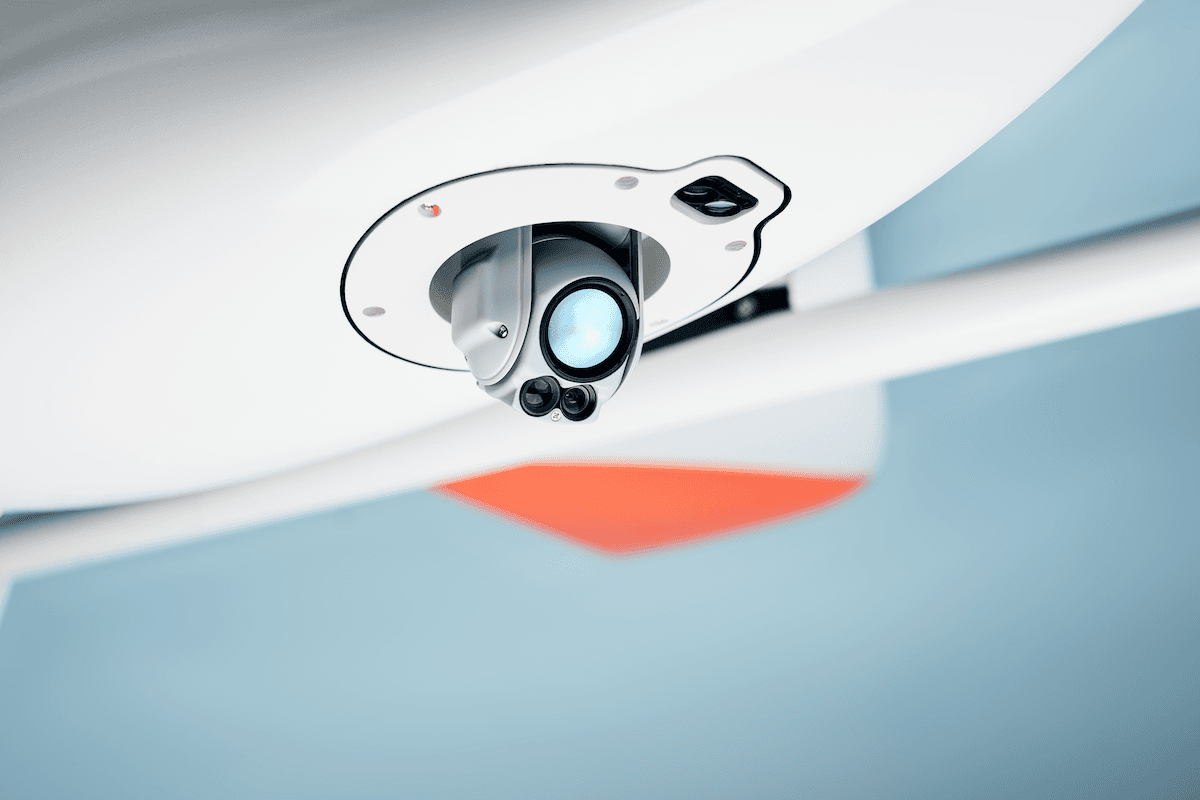
Once airborne, the Aera streams live thermal and RGB footage directly to incident commanders. Between missions, the docking station recharges the aircraft automatically, keeping it ready for the next deployment. The whole system is controlled remotely from Avy's operations centre, which can be integrated into an existing emergency services dispatch environment.

avy drone

Persistent watch versus rapid response

Persistent watch versus rapid response

Most surveillance systems are optimised for one or the other. Fixed cameras maintain a persistent watch but cannot reposition. Rapid response units are mobile but cannot maintain continuous coverage between deployments.

Avy's system handles both within the same deployment. Scheduled patrol routes maintain continuous coverage of defined zones. Alert-triggered deployments respond to specific events within 30 seconds. The same aircraft and docking station serves both functions, controlled from a single operations centre.

For operators who currently use a combination of fixed cameras and manual response units, autonomous drone surveillance consolidates both into a single system with wider coverage and faster response times.

Ready to discuss an autonomous surveillance programme?

Avy works with defence organisations, security operators, customs authorities, and critical infrastructure managers across Europe. Contact us to discuss how autonomous drone surveillance could work within your operational environment.

Remote monitoring FAQs

Remote monitoring FAQs

What makes Avy's surveillance "intelligent"?

The system combines autonomous flight, AI-driven alerting, and persistent readiness. It doesn't require an operator to watch continuous footage. It detects defined conditions and alerts when something requires attention, while maintaining scheduled patrols in the background.

Can the system detect specific objects or behaviours?

Yes. Avy can configure alerting based on predefined zones, thermal anomalies, movement detection, or object recognition. The specific detection parameters are set according to the operational requirement.

How does the drone perform in poor weather?

Aera operates in winds above 35 knots and in rain. It is designed for operational conditions, not ideal ones, which is particularly relevant for maritime and coastal surveillance environments.

Can multiple docking stations be networked together?

Yes. Multiple Avy docking stations connect through shared software and a central operations centre, enabling coverage across large areas simultaneously. Each dock acts as a node in the network, extending the effective surveillance zone significantly.

Does an operator need to be at the docking station?

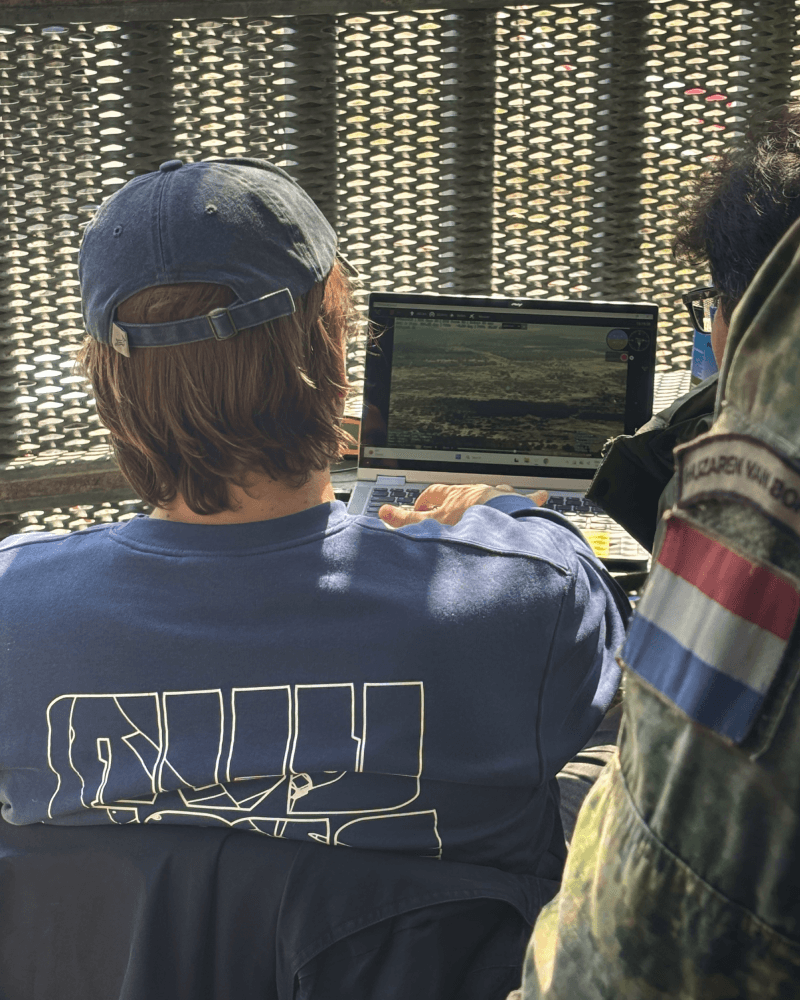
No. The docking station handles launch, landing, and recharging autonomously. All operations are managed remotely from a control centre, which can be integrated into an existing security operations environment.

Is Avy authorised for BVLOS surveillance operations?

Yes. Avy holds a BVLOS LUC (Light UAS Operator Certificate) in the Netherlands, authorising flights beyond visual line of sight. This is the authorisation that makes long-range autonomous surveillance legally viable.

What makes Avy's surveillance "intelligent"?

The system combines autonomous flight, AI-driven alerting, and persistent readiness. It doesn't require an operator to watch continuous footage. It detects defined conditions and alerts when something requires attention, while maintaining scheduled patrols in the background.

Do you offer post-flight data analysis or just raw footage?

We offer both — from raw data to fully analyzed reports with AI-driven insights, maps, and annotated findings.

How frequently can monitoring be scheduled?

Monitoring can be scheduled on a continuous, daily, weekly, or on-demand basis, depending on your surveillance requirements.

Does an operator need to be at the docking station?

No. The docking station handles launch, landing, and recharging autonomously. All operations are managed remotely from a control centre, which can be integrated into an existing security operations environment.

Is Avy authorised for BVLOS surveillance operations?

Yes. Avy holds a BVLOS LUC (Light UAS Operator Certificate) in the Netherlands, authorising flights beyond visual line of sight. This is the authorisation that makes long-range autonomous surveillance legally viable.

What makes Avy's surveillance "intelligent"?

The system combines autonomous flight, AI-driven alerting, and persistent readiness. It doesn't require an operator to watch continuous footage. It detects defined conditions and alerts when something requires attention, while maintaining scheduled patrols in the background.

Can the system detect specific objects or behaviours?

Yes. Avy can configure alerting based on predefined zones, thermal anomalies, movement detection, or object recognition. The specific detection parameters are set according to the operational requirement.

How does the drone perform in poor weather?

Aera operates in winds above 35 knots and in rain. It is designed for operational conditions, not ideal ones, which is particularly relevant for maritime and coastal surveillance environments.

Can multiple docking stations be networked together?

Yes. Multiple Avy docking stations connect through shared software and a central operations centre, enabling coverage across large areas simultaneously. Each dock acts as a node in the network, extending the effective surveillance zone significantly.

Does an operator need to be at the docking station?

No. The docking station handles launch, landing, and recharging autonomously. All operations are managed remotely from a control centre, which can be integrated into an existing security operations environment.

Is Avy authorised for BVLOS surveillance operations?

Yes. Avy holds a BVLOS LUC (Light UAS Operator Certificate) in the Netherlands, authorising flights beyond visual line of sight. This is the authorisation that makes long-range autonomous surveillance legally viable.