Persistent ISR drones
without the setup time
Most tactical drones need unpacking, assembly, and a trained operator on site before the first frame of footage is captured. For a static defence asset, a base, a harbour, a forward position, that delay is a vulnerability.
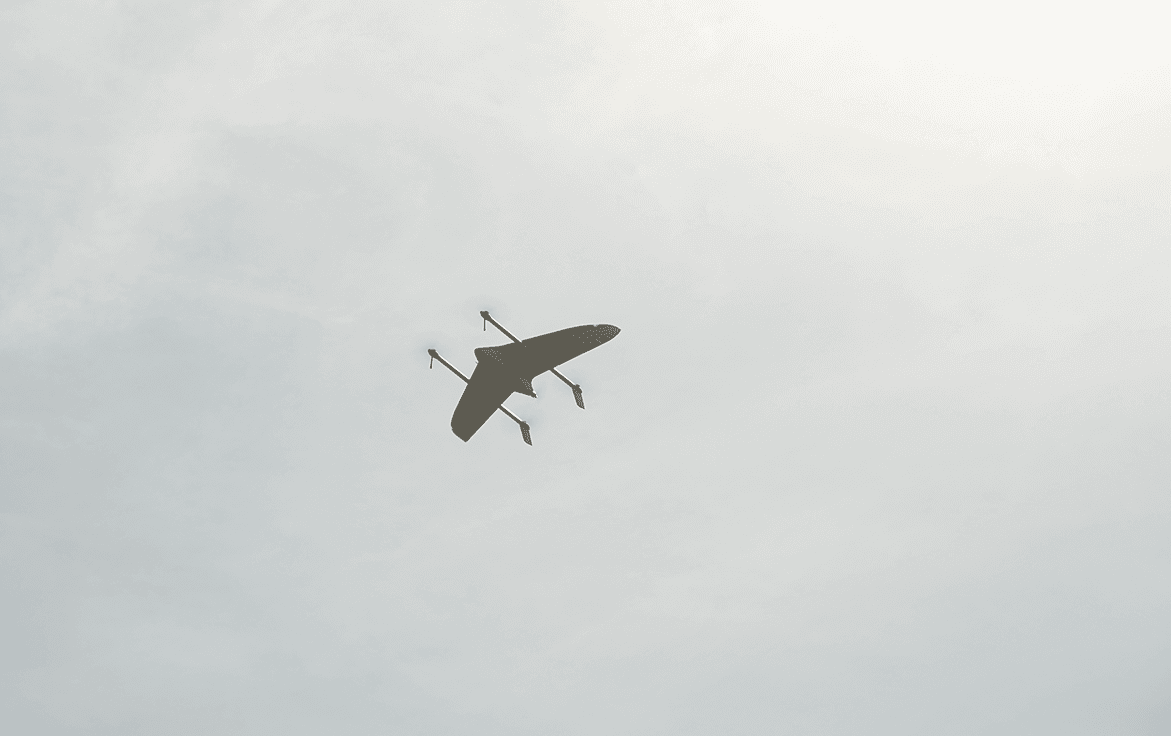
Avy's drone network changes the calculus. The aircraft lives in its docking station, fully charged and ready. When you need eyes in the sky, it's airborne in 30 seconds. When the mission is done, it returns, recharges, and waits. No crew. No setup. No delay.
The problem with current tactical drone deployments
Short-range multirotors like the Skydio or Parrot drones that dominate current tactical inventories are effective tools, but they are tools, not infrastructure. Every deployment requires someone to carry them to the location, unpack them, fly them, recover them, and carry them back. Flight time is 20–40 minutes. Range is limited. And the moment the operator is busy, the drone is grounded.
For persistent coverage of a static asset or fixed position, this model doesn't scale. You either tie up personnel continuously or accept gaps in coverage.
The Avy solution: an autonomous ISR drone network
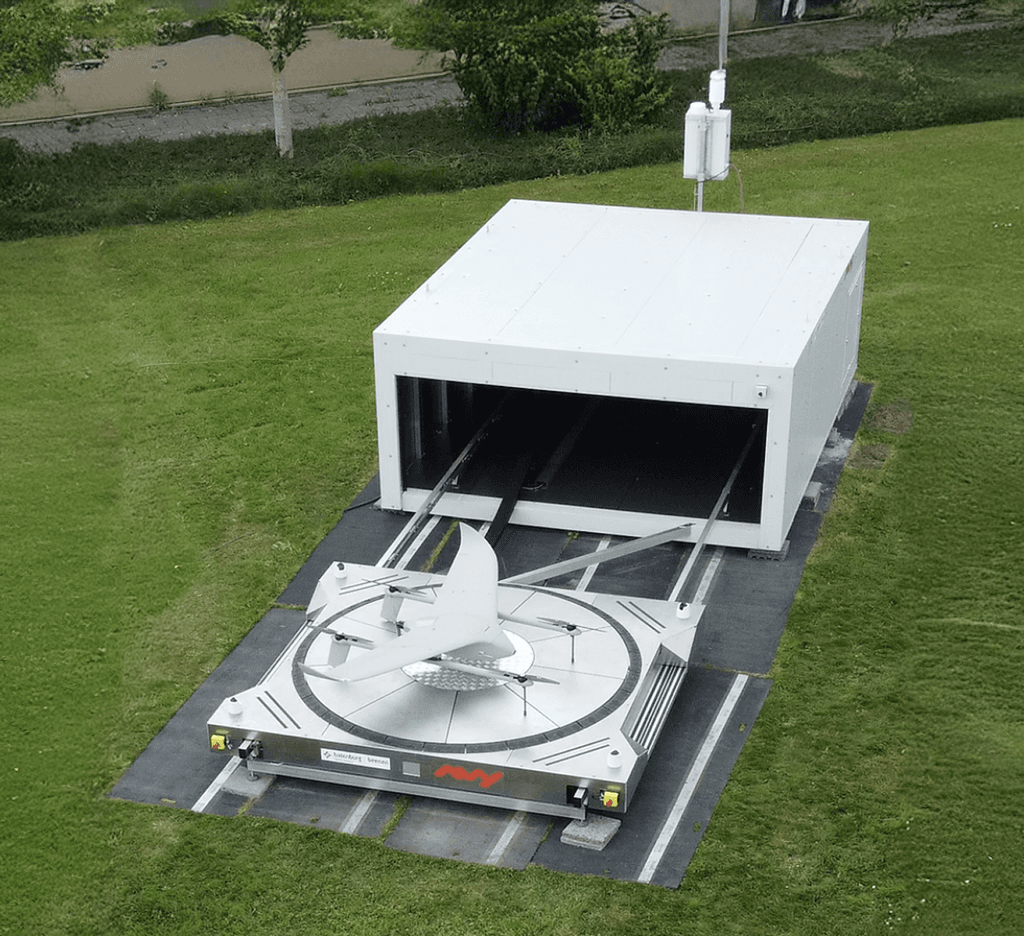
Avy's system is built around a permanently installed docking station that houses, launches, and recharges the Aera aircraft autonomously. For a static asset, a naval base, a port, a forward operating position, a perimeter; this creates always-on aerial coverage without always-on personnel.
Avy Aera & Dock
83 km/h
Cruise speed
150 km
Range per charge
30 sec
Dock operation
30+ knots
Wind tolerance
Once airborne, Aera streams live thermal and RGB footage to operators and command staff. Between missions, the docking station recharges the aircraft automatically, keeping it ready for the next tasking. The whole system is controlled remotely from an operations centre and can be integrated into existing command and control or security environments.
Tactical and ISR drone comparison
Skydio X10
Parrot ANAFI USA
DJI Matrice 30T
Avy Aera
Operational range
12 km
17 km
15 km
100 km
Wind resistance
23 kts
29 kts
29 kts
30 kts
Range from dock
✅ 7 km range
❌ None
✅ 7 km range
✅ 150 km
Dock to airborne time
20 sec
❌ No dock
20 sec
30 sec
Additional payload
340g
Fixed camera only
Fixed camera only
3kg modular
Designed & made in EU
❌ USA
❌ USA
❌ China
✅ Netherlands
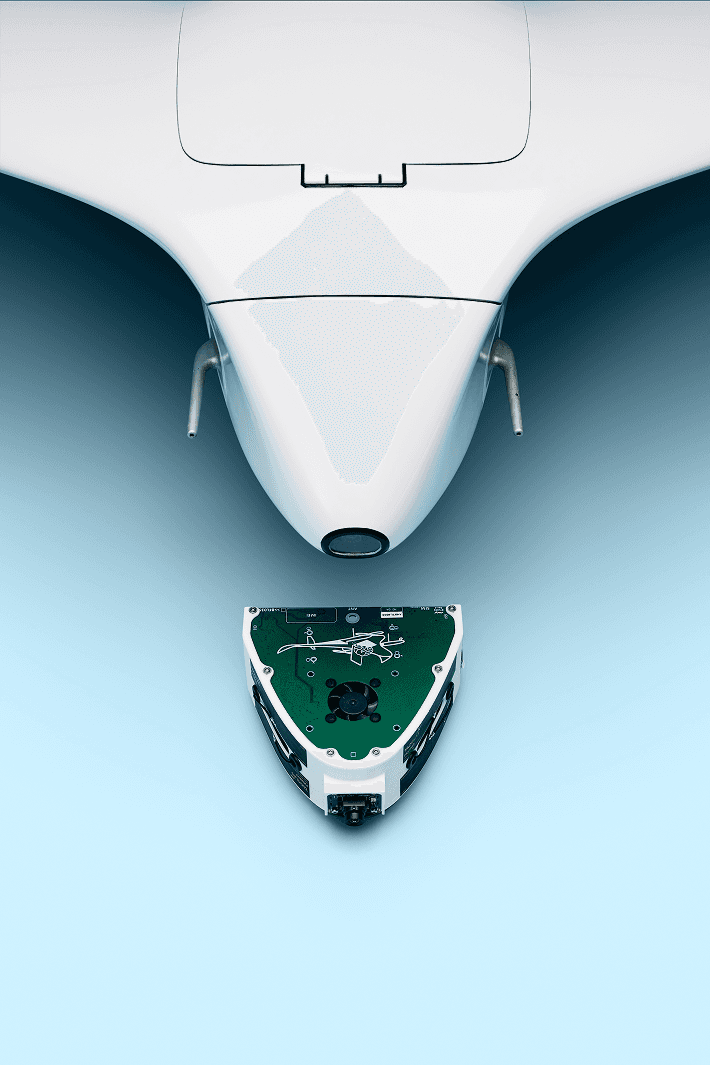
Most tactical drones ship with a fixed, integrated camera — the sensor you get is the sensor you're stuck with. Avy Aera's modular 3kg payload bay accepts third-party EO/IR cameras, hyperspectral sensors, and mission-specific equipment. For defense and government operators with existing sensor investments or specific mission requirements, that flexibility is operationally significant.
DJI is a Chinese-owned manufacturer. Its use in defense and government procurement is restricted or prohibited in several NATO member states.
If your asset isn't moving, your ISR capability should be fixed too
The Avy dock-and-drone model is specifically suited to static or semi-static defense assets. A naval base. A port facility. A forward position that holds for days or weeks. A critical infrastructure site requiring persistent monitoring.
For these environments, a drone network; one or more docking stations, connected through shared software, operated remotely; provides coverage that a manually deployed tactical drone simply cannot match economically or operationally.
Maritime and shipboard ISR
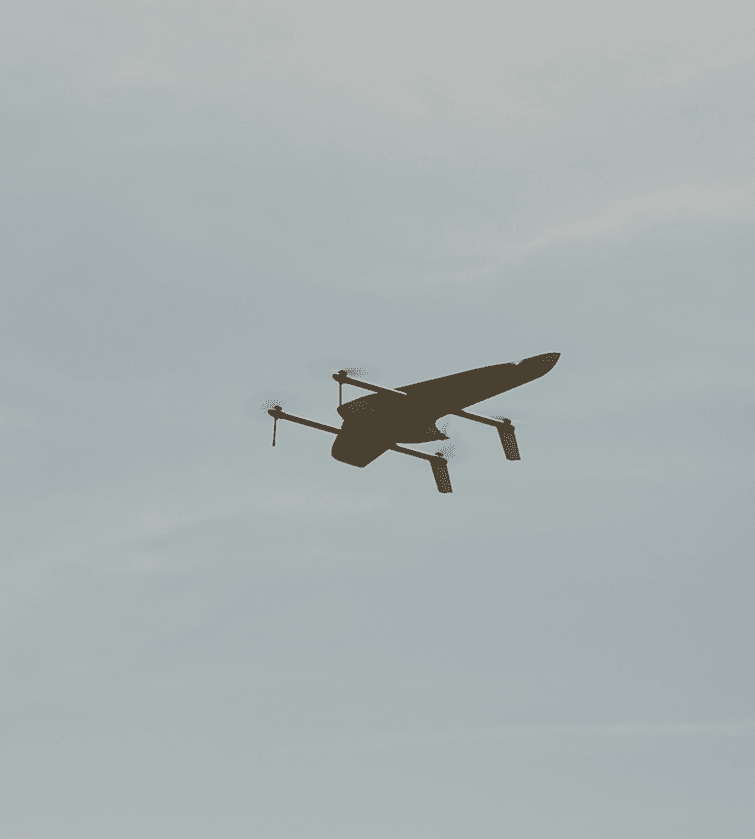
Aera takes off and lands vertically, so it needs no runway, catapult or recovery net. That makes it suited to maritime ISR from harbours, naval bases and ship decks. Avy has flown with the Royal Dutch Navy and took part in NATO's REPMUS maritime exercise, operating alongside allied forces in real exercise conditions rather than demonstrations.
Flying with Avy


Tested in defense environments
Avy has operated its system with defence organisations including the Royal Dutch Navy, and in 2025 took part in REPMUS, NATO's annual exercise for testing unmanned maritime systems. The system has been flown in both maritime surveillance and land exercise environments, not in demonstration conditions but in operational exercise scenarios alongside allied forces.
We have video and photo documentation of these operations available for qualified defence audiences. Contact us to discuss.
Frequently asked questions

FAQ
The technology behind the results
Depending on what you're looking for, these pages explain how it all works:
Contact us
If you're evaluating persistent ISR capability for a static asset or fixed position, we'd like to show you what the Avy system can do.