Avy Dock

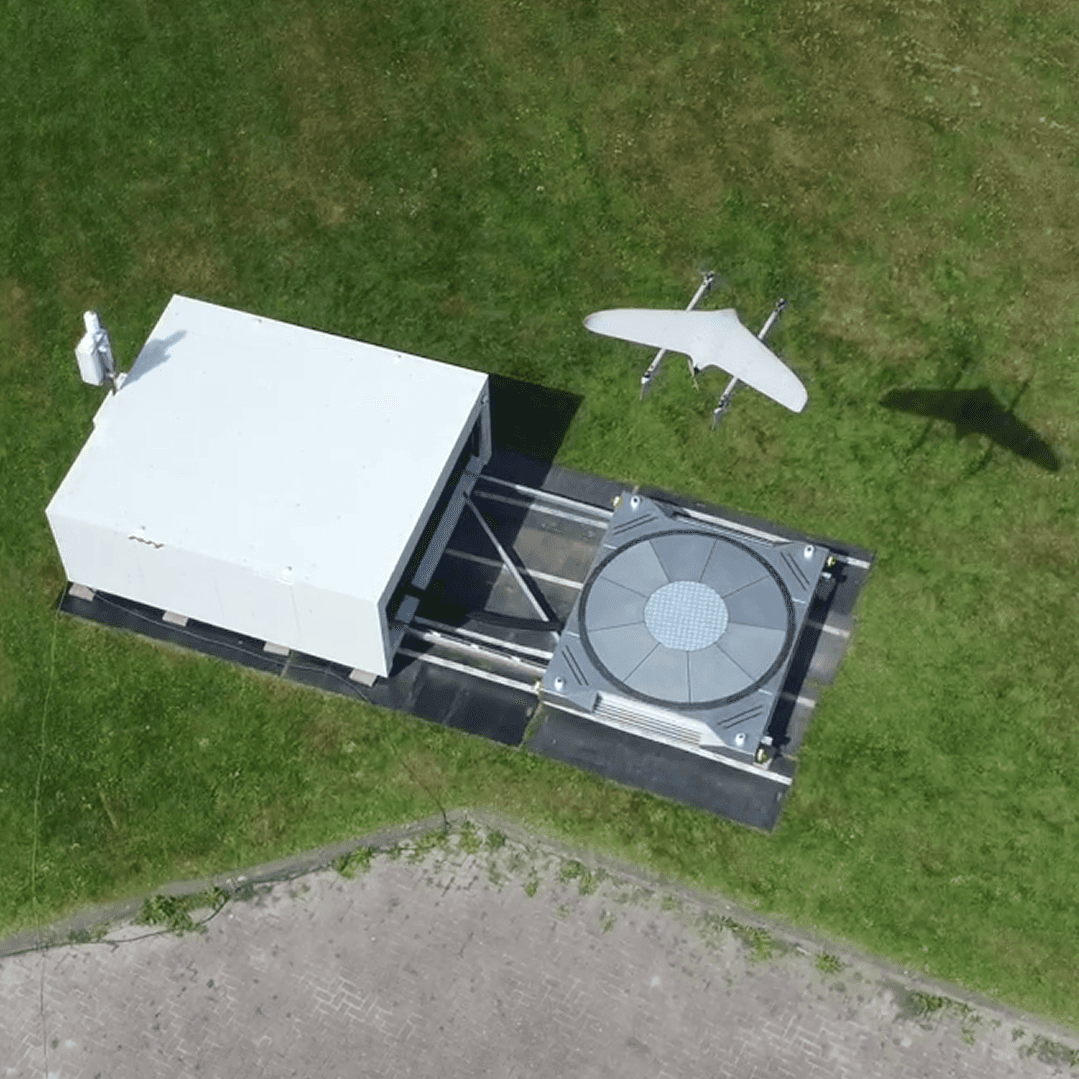
The Avy Dock is the only docking station purpose-built for a long-range fixed-wing aircraft. It launches, lands, charges and shelters Aera, turning a single drone into a continuously available asset.

Launch

30-second response

Land

Precision RTK landing

Charge

Automated charging

No ground crew

Most drone operations require a team on the ground. A pilot to launch, a ground crew to recover the aircraft, someone to manage charging. The Avy Dock eliminates all of it.

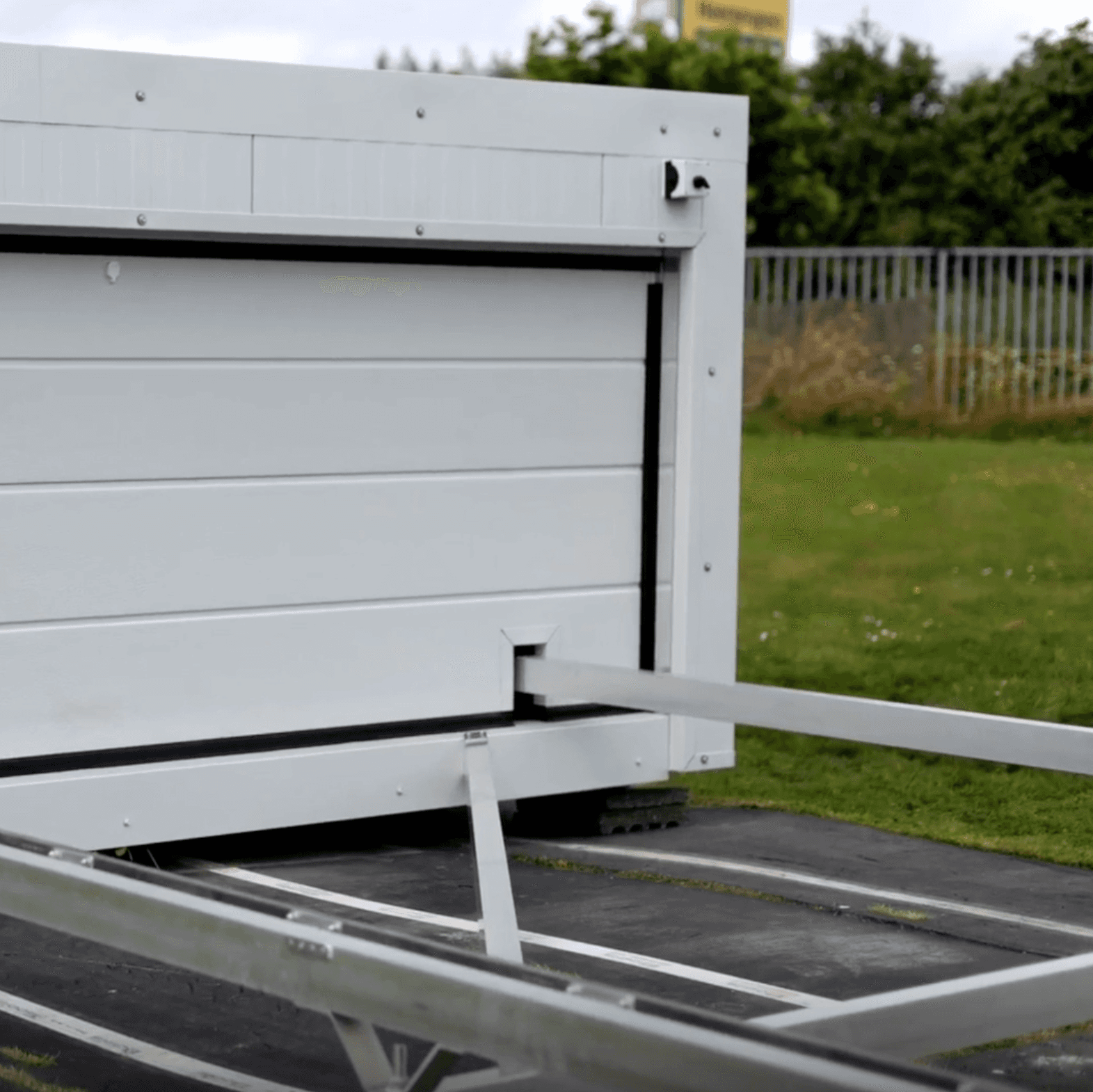
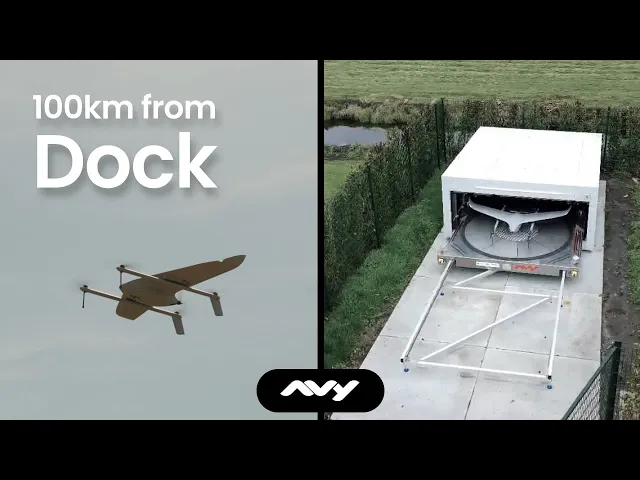
The door opens, the landing pad extends, the aircraft launches. On return, precision RTK GPS guides the Aera back to within centimetres of the landing pad, the door closes, and charging begins automatically. The remote pilot operates from anywhere with an internet connection.

drone landing

30-second response

Remote

Remote

Remote

BVLOS

Operations

Protect

Built for the conditions

The dock is designed to operate where conditions are less than perfect; coastlines, industrial ports, critical infrastructure, and environments where temperatures drop below zero in winter and exceed 40°C in summer.

The enclosure handles static winds up to 55 knots (102 km/h) and precipitation up to 50mm/h. The internal HVAC system maintains the aircraft within operating temperature across an ambient range of -15°C to 50°C. Dehumidification runs automatically during storage.

The dock does not need a hangar, a shelter, or a climate-controlled room. It is the shelter.

aircraft
drone flying

55 knots wind rated

Heavy rain 50mm/h

HVAC -15°C to 50°C

drone flying

55 knots wind rated

Heavy rain 50mm/h

HVAC -15°C to 50°C

The dock maintains a persistent connection to Avy's remote operations software via dual LTE with a wired RJ45 Ethernet backup. An RTK base station provides centimetre-accurate positioning for precision landing.


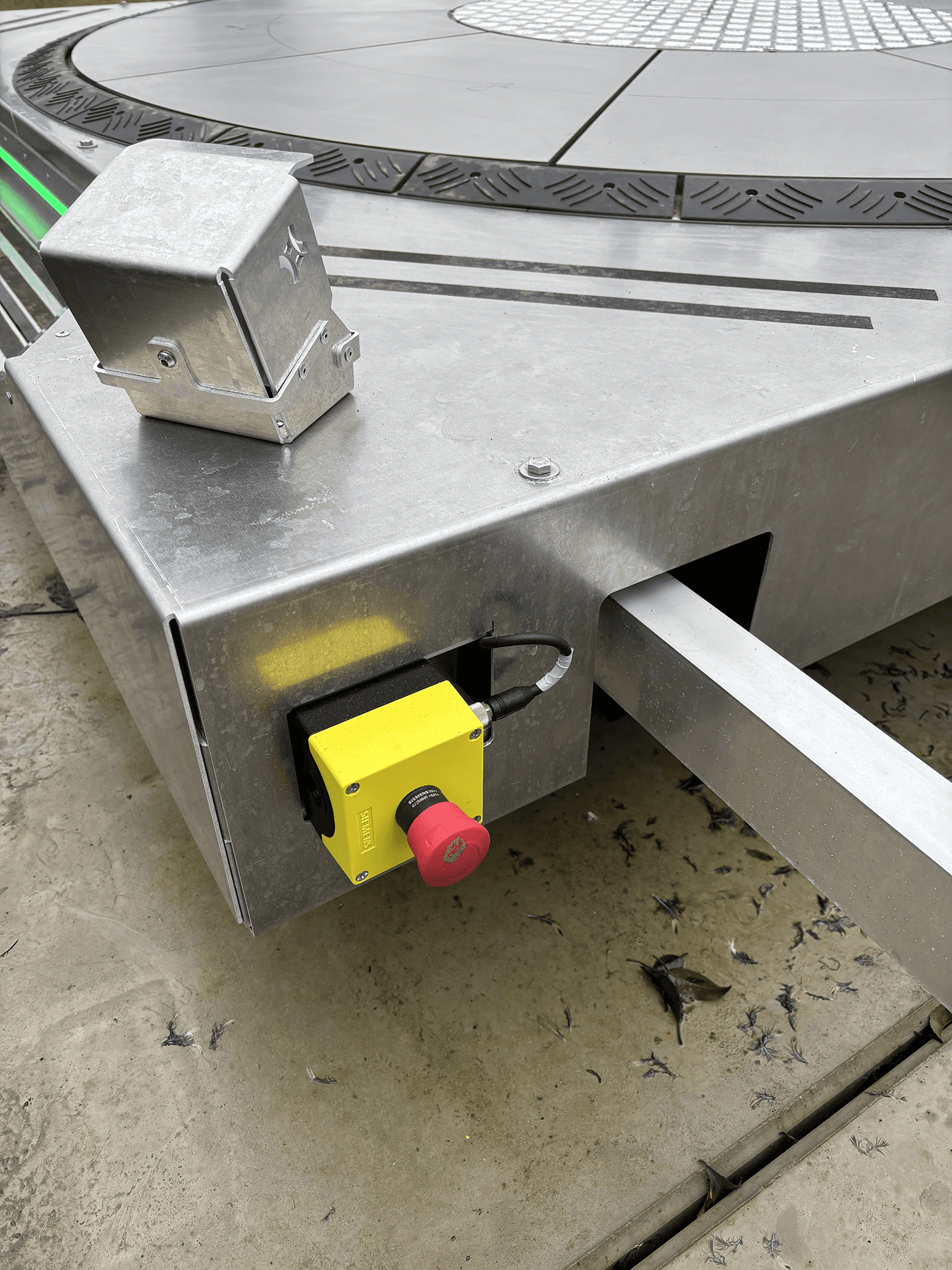
Seven cameras; five 4MP inspection cameras and two stereo overview cameras with 2.5x zoom, providing continuous visibility of the aircraft, landing pad, interior, and surrounding area. Warning lights, audible alerts, and five emergency stop buttons are distributed across the platform for safe access when personnel are present.
docking station
inside dock

Dual LTE + wired backup

7 cameras

5x emergency stop

inside dock

Dual LTE + wired backup

7 cameras

5x emergency stop

avy logo black

A solution that gets better as it scales

Step 1

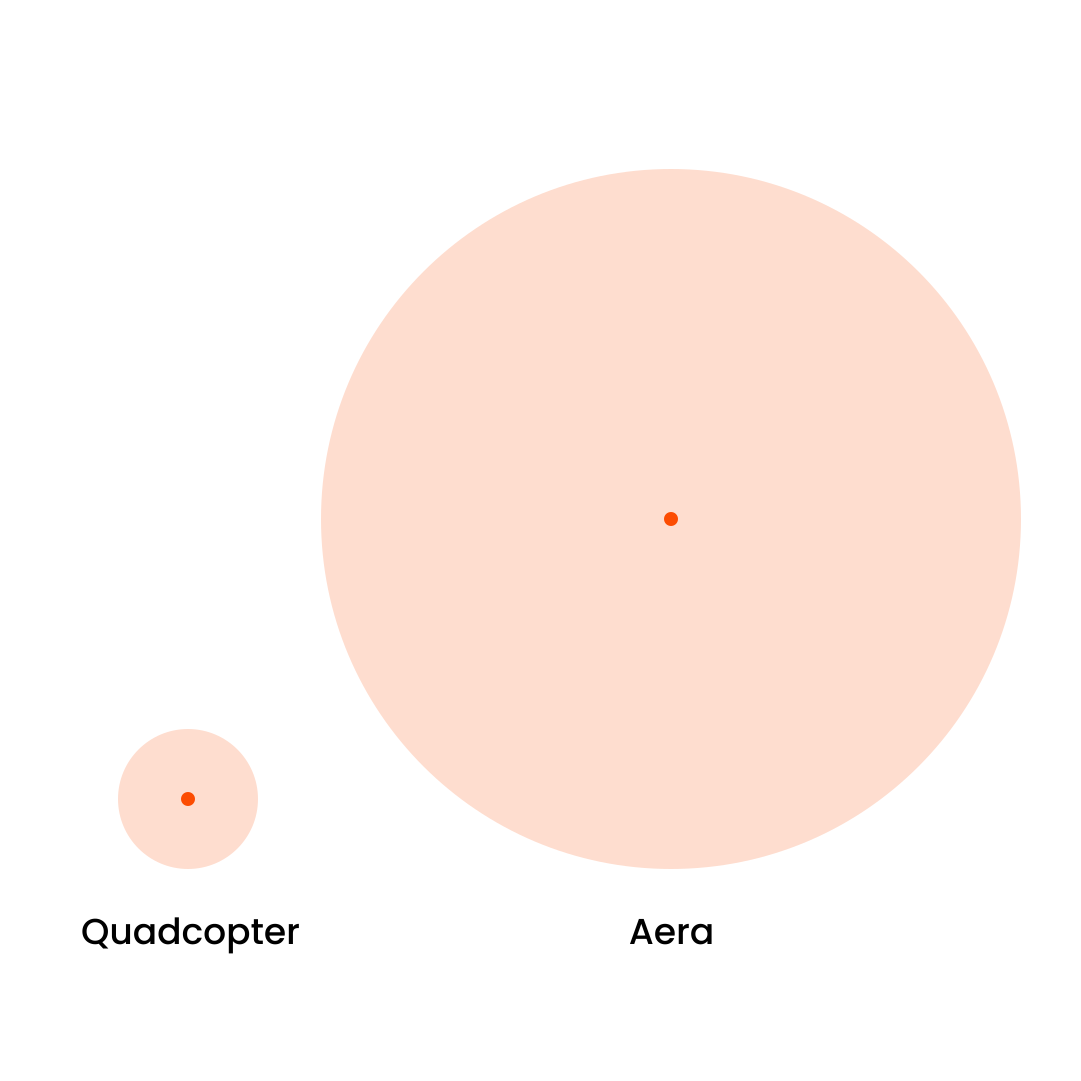
50x more aircraft coverage

Aera range of 70km = 7850km² coverage. Quadcopter range of 7km = 154km²

coverage diagram
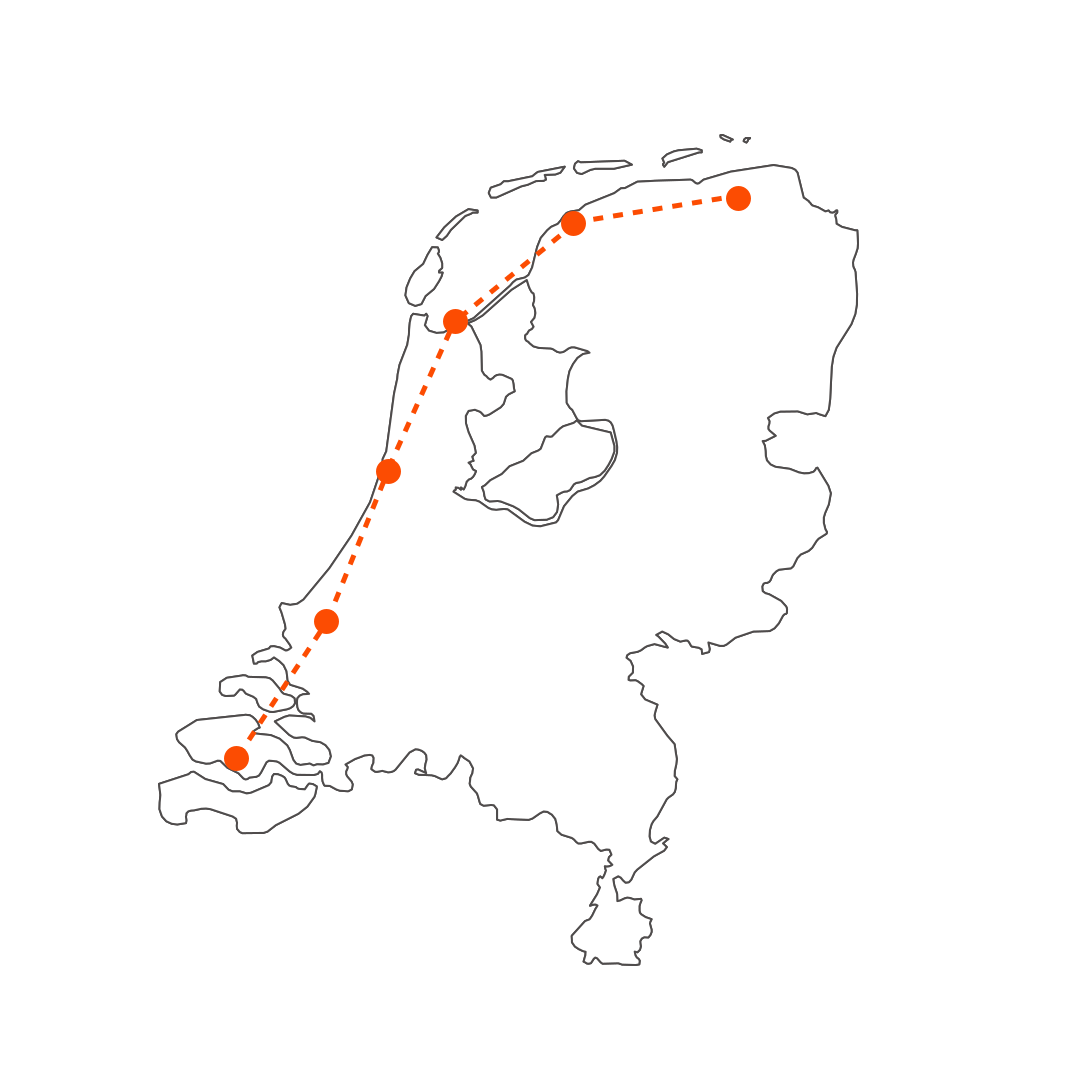
box to box diagram

Step 2

Docks double the range

Docking stations mean the aircraft can go to its maximum distance without returning to the take off point.

Step 3

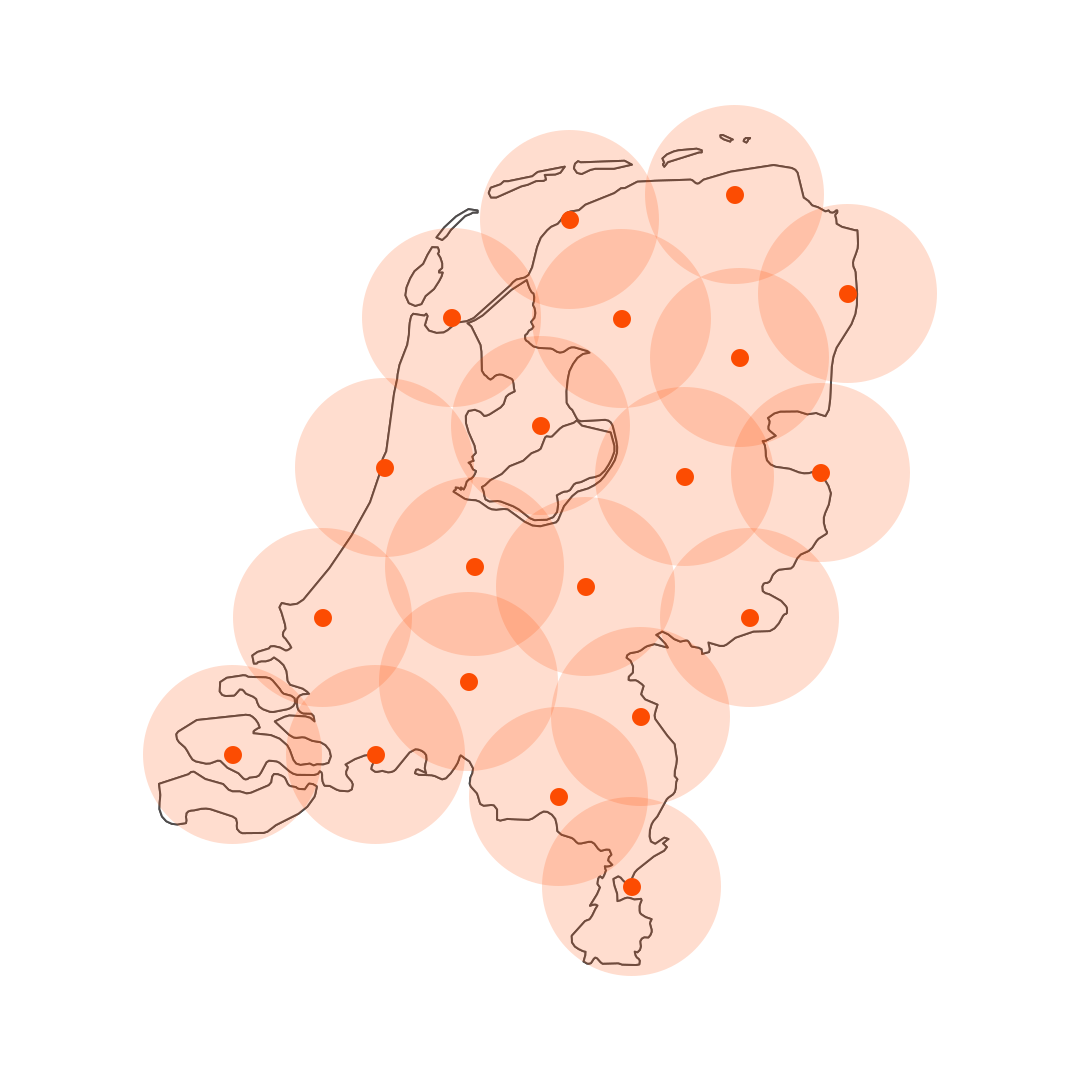
The network effect

The network effect

A network of aircraft can be managed from one central location creating huge coverage.

map coverage diagram

Specifications

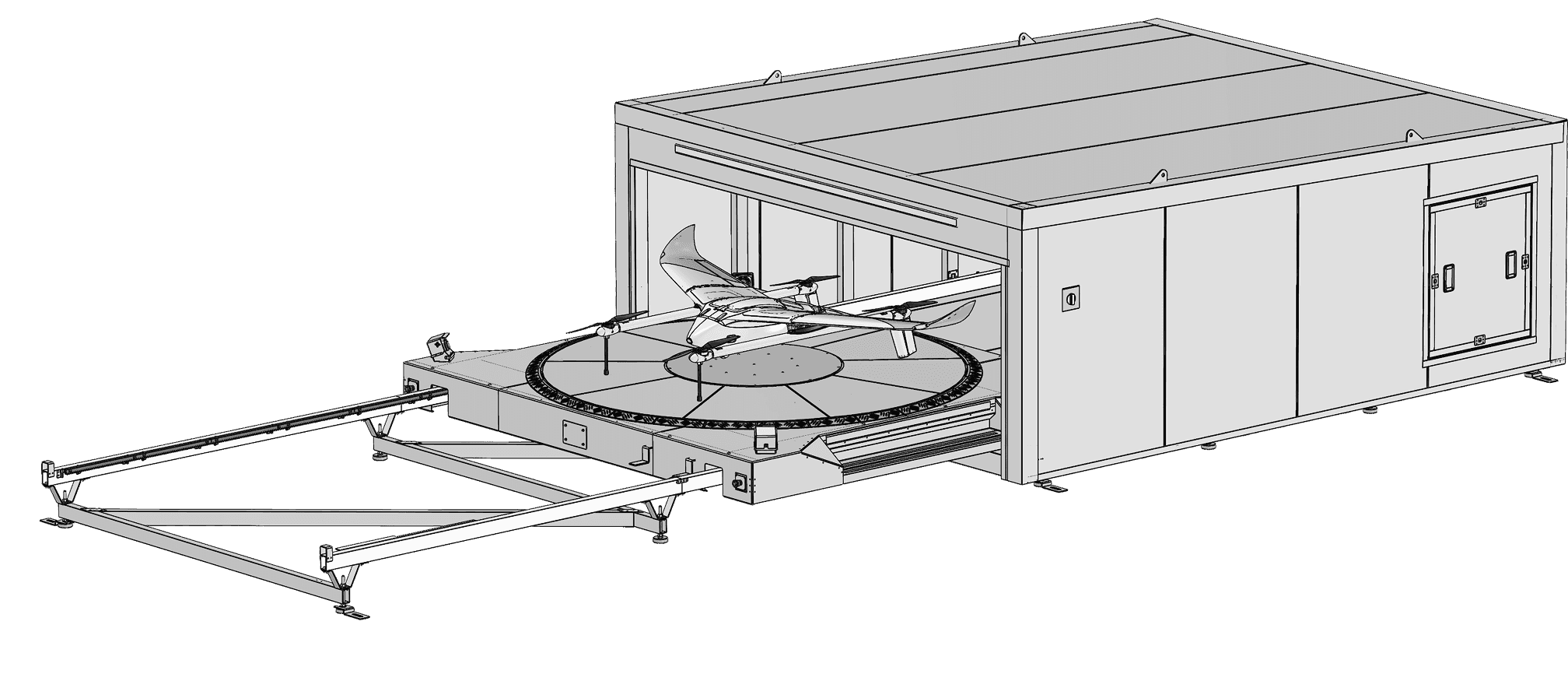
docking station drawing

Characteristics

Hangar external

1348 x 414 cm

Hangar internal UA volume

329 x 362 cm

Door opening

312 (w) x 109 (h) cm

Platform

260 (l) x 300 (w) cm

Full system with rails

348 x 910 cm

Advised ground area

1400 x 1300 cm (includes failsafe zone)

Mass

1650 kg

Power connection

Waterproof single-phase CEE

Performance

Standby to launch

30 seconds

Climate control

Automated HVAC (cooling, heating, dehumidifying)

Charging

Automated contact pin

Power consumption

3000 kWh/y + HVAC (NL: 2000 kWh/y)

Operational conditions

Temperature range

-15°C to 50°C

Static wind limit

55 knots (102 km/h)

Takeoff and landing wind limit

12.5 m/s (25 knots), including gusts

Precipitation

Heavy rain up to 50 mm/h

Platform access

Max 4 people + aircraft or <340 kg

Operational conditions

Temperature range

-15°C to 50°C

Static wind limit

55 knots (102 km/h)

Takeoff and landing wind limit

12.5 m/s (25 knots), including gusts

Safe user interaction

Heavy rain up to 50 mm/h

Designated landing zone, warning lights & sound

Max 4 people + aircraft or <340 kg

Safety and communication

Command and control

Single 5G

Backup link

Wired RJ45 Ethernet

Positioning

RTK base station

Safety features

Warning and status lights, audible warnings, 5x emergency stop buttons

Safety and communication

Command and control

Single 5G

Backup link

Wired RJ45 Ethernet

Positioning

RTK base station

Safe user interaction

Warning and status lights, audible warnings, 5x emergency stop buttons

Designated landing zone, warning lights & sound

Cameras

Inspection cameras

5x at 4MP, 2688 x 1512

Overview cameras

2x stereo at 2x2MP, 1920 x 1080, 2.5x zoom

Cameras

Inspection cameras

5x at 4MP, 2688 x 1512

Overview cameras

2x stereo at 2x2MP, 1920 x 1080, 2.5x zoom

Safe user interaction

Designated landing zone, warning lights & sound

Get the full brochure & specsheets

Watch it operate remotely

Did we miss anything?

Here are a few of the frequently asked questions

What is an autonomous docking station?
icon

A docking station is a ground unit that handles everything a ground crew would — launching, recovering, charging, and sheltering the aircraft between missions. The Avy Dock does this without any operator present at the site. The remote pilot manages missions from a command centre via a 4G, 5G, or wired data link.

Can the dock operate in cold or hot climates?
icon

Yes. The internal HVAC system maintains the aircraft and electronics within operating temperature across an ambient range of -15°C to 50°C. It has been deployed in sub-zero winter conditions and in high-temperature industrial environments.

How quickly can the dock launch the aircraft?
icon

From standby to launch in 30 seconds. The door opens, the landing pad extends, and the aircraft is airborne. No setup, no briefing, no ground crew required.

Can multiple docks be networked together?
icon

Yes. Multiple docking stations are managed from a single remote command centre. Additional docks can be added to extend coverage along a corridor or across a wider area without replacing existing infrastructure.

What happens if the data connection is lost?
icon

The dock maintains dual LTE connectivity with a wired RJ45 Ethernet backup. The aircraft also has onboard failsafe behaviour — in the event of a lost link it follows a pre-defined contingency procedure, typically returning to the dock.

Does someone need to be on site to operate the dock?
icon

No. The dock is designed for fully unmanned operation. Personnel can access the platform safely when required — the dock has warning lights, audible alerts, and five emergency stop buttons — but day-to-day operation requires no one on site.

drone brain

FAQ

drone brain

FAQ