More than
just a drone

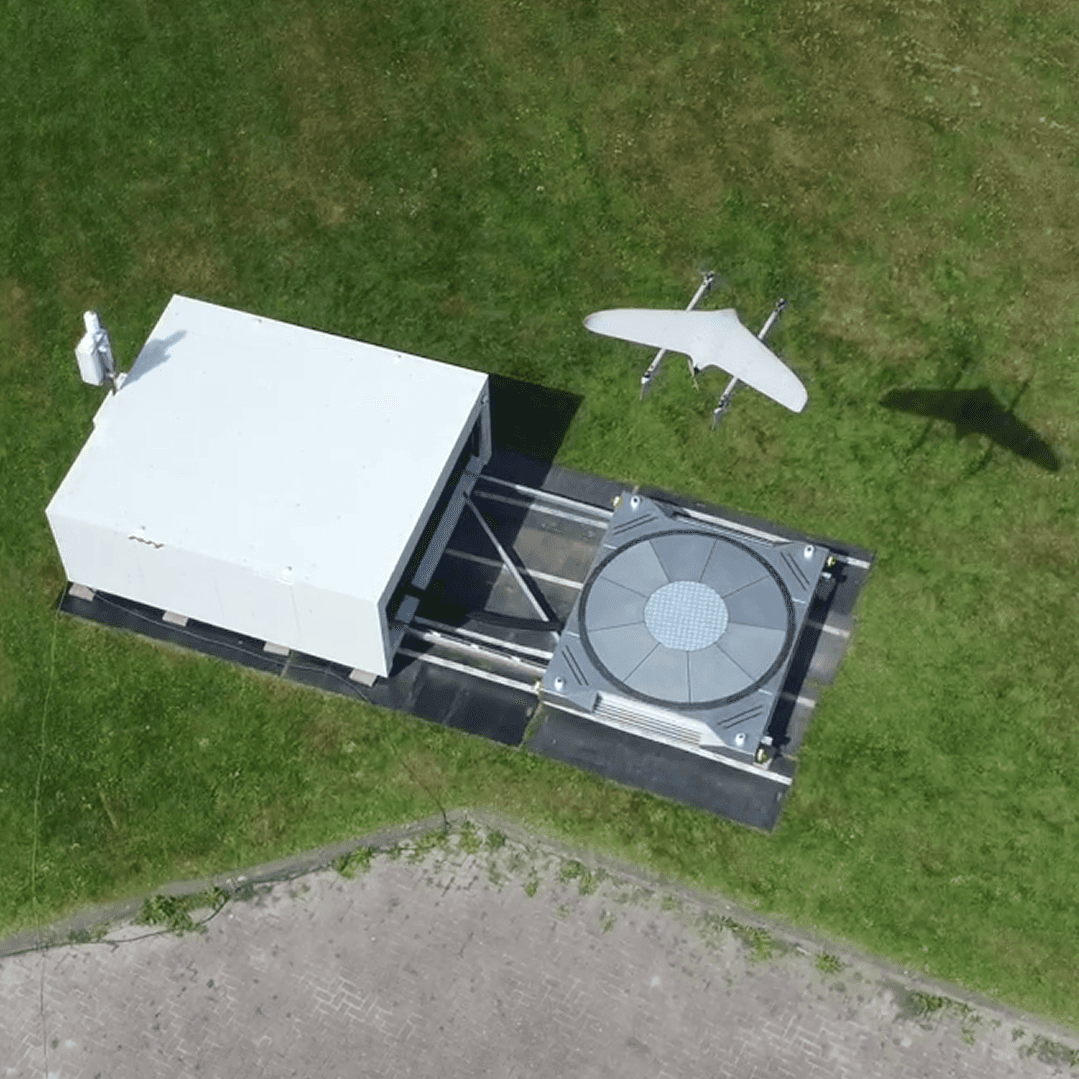
The Avy drone network combines a long-range VTOL aircraft, an autonomous docking station, and remote operations software into one complete system.

Trusted by

  • dutch navy logo
  • world health organisation logo
  • port of rotterdam logo
  • brandweer logo
  • politie logo
10x

More efficient than a multicopter

15x

Faster at getting airborne from alert

40x

More cost-effective than a helicopter

Fundamentally
fixed-wing

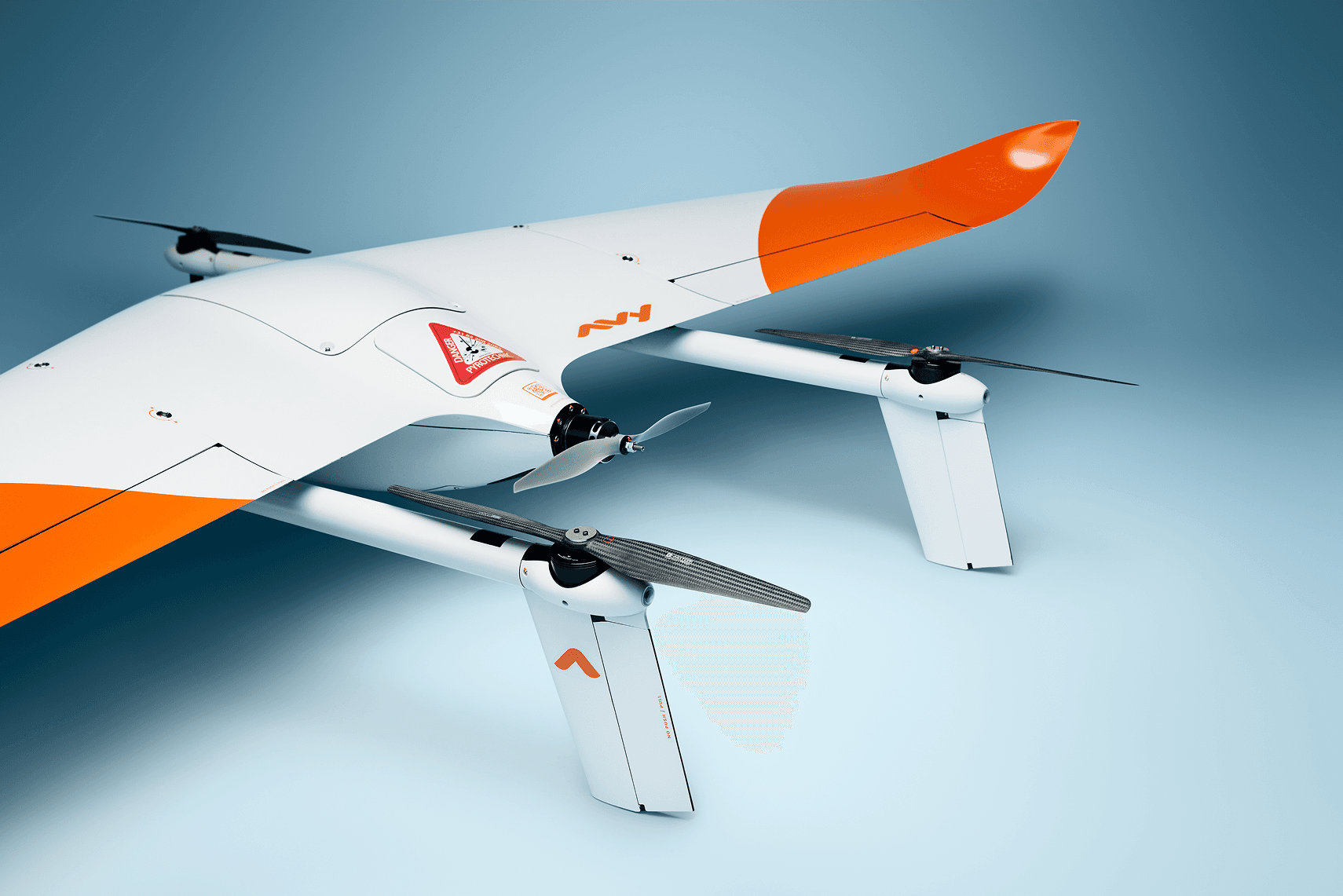
Fixed-wing flight changes what a drone can do. A fixed-wing aircraft uses lift, which is why the Avy Aera covers 100km on a single charge while a comparable multicopter covers 7km.

A drone network

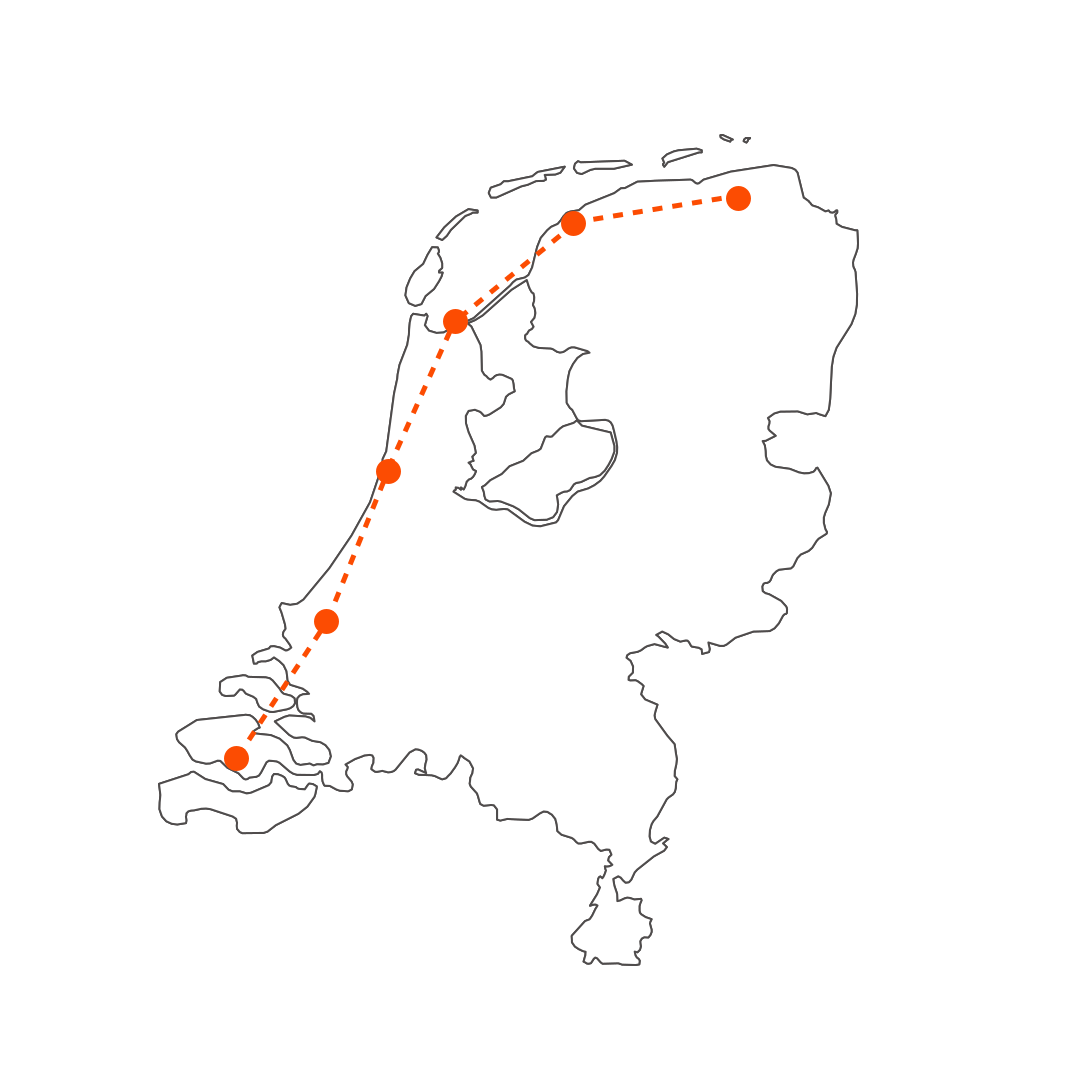
The Avy drone network is a complete aviation system. One operator. Hundreds of square kilometres.
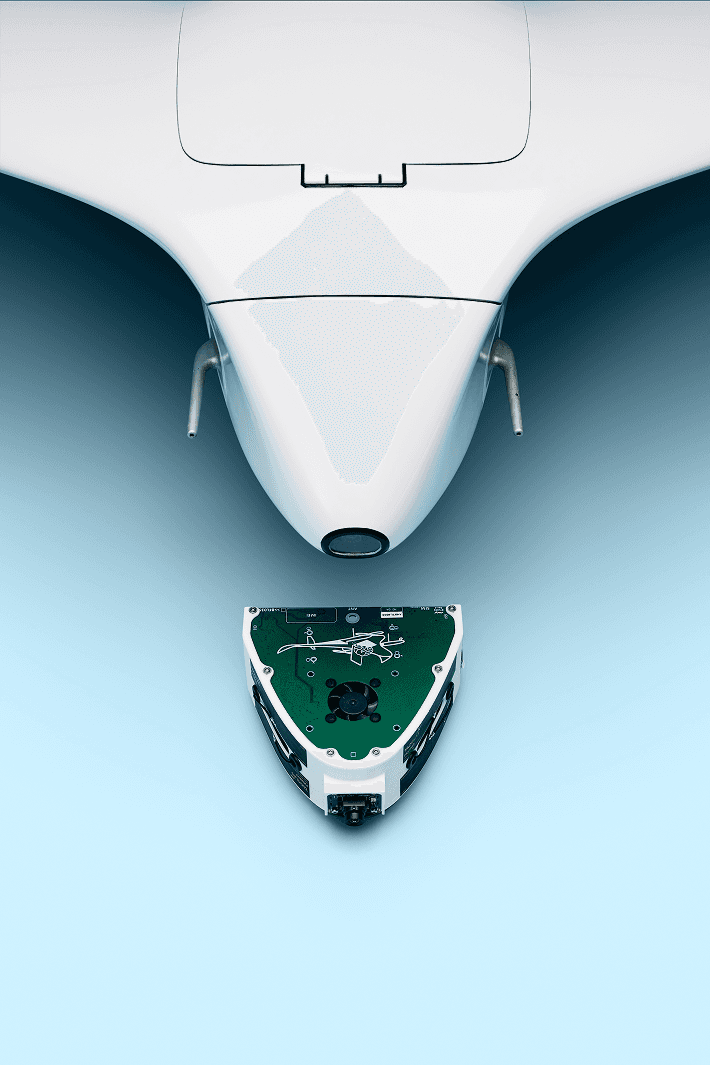
rear of drone

Drone

drone landing

Dock

100km

100km

100km

BVLOS

Flights

Drone

Highly operable, built for distance.

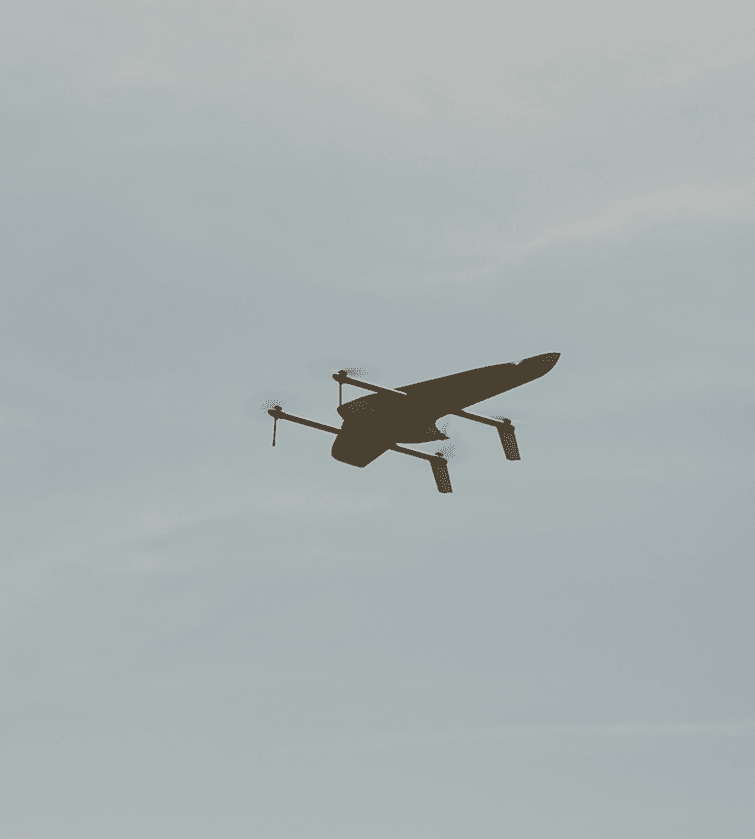
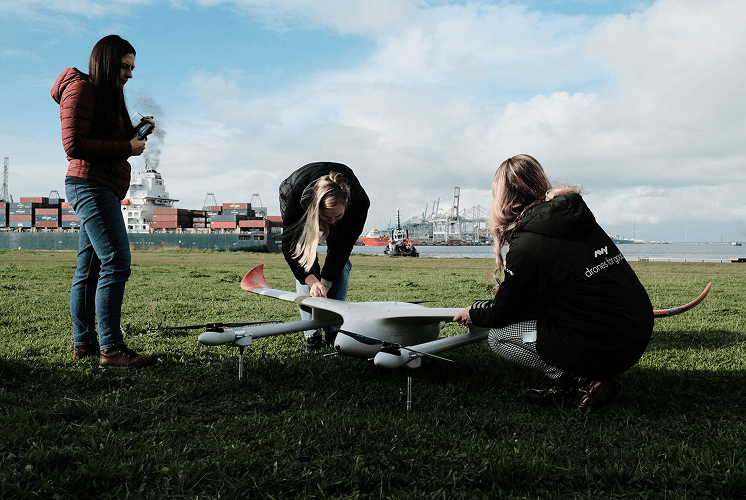
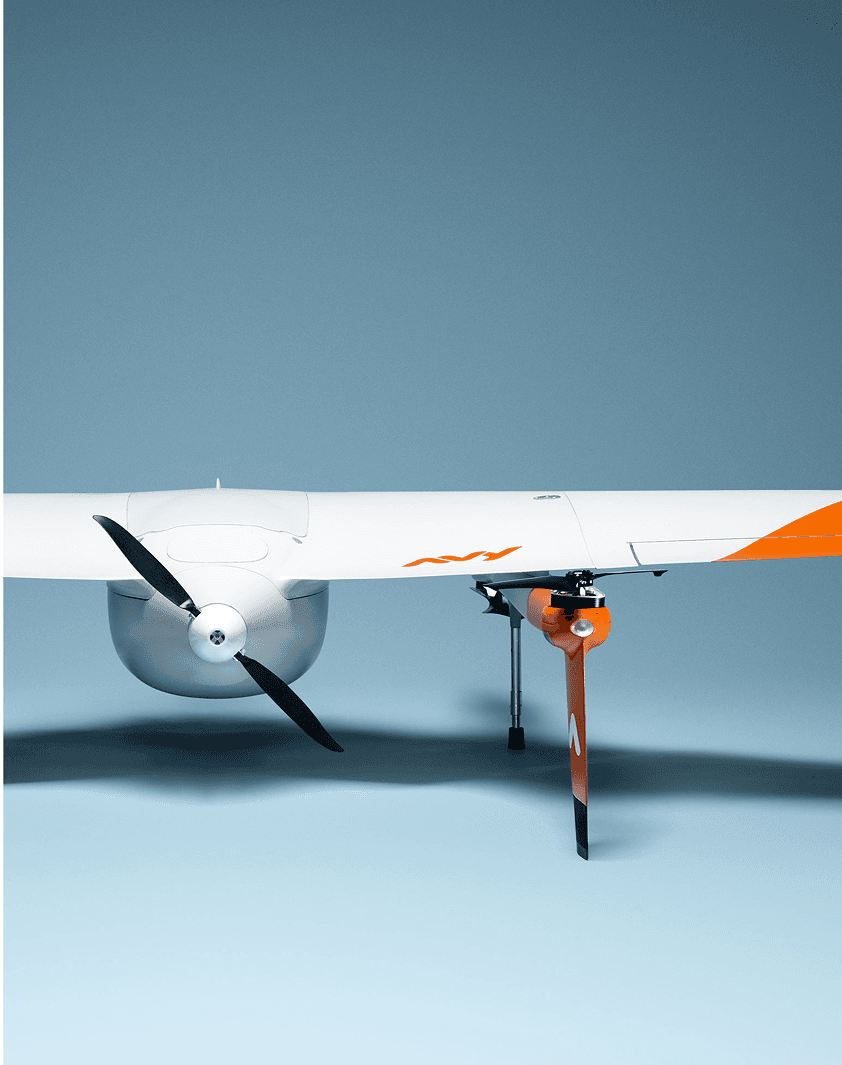
The Avy Aera is a fixed-wing VTOL aircraft. It takes off vertically, transitions to fixed-wing cruise flight, and covers up to 100km at 100km/h on a single charge. Where a multicopter runs out of battery, the Aera is still flying.
aircraft
drone flying

3kg payload

100km/h

75 min flight

drone flying

3kg payload

100km/h

75 min flight

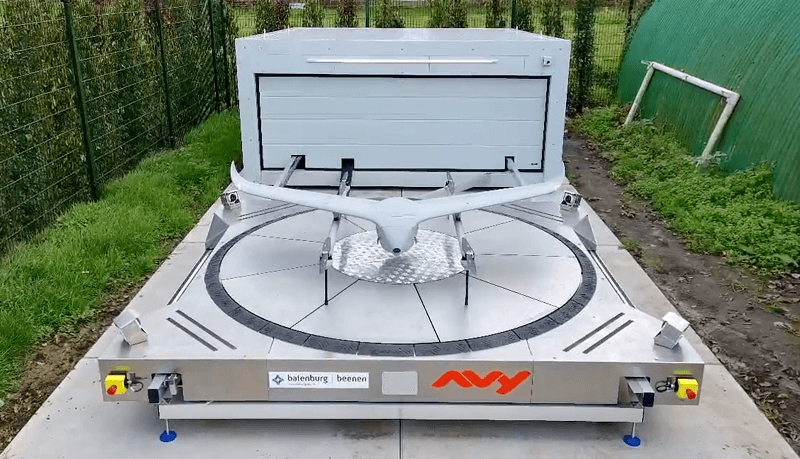
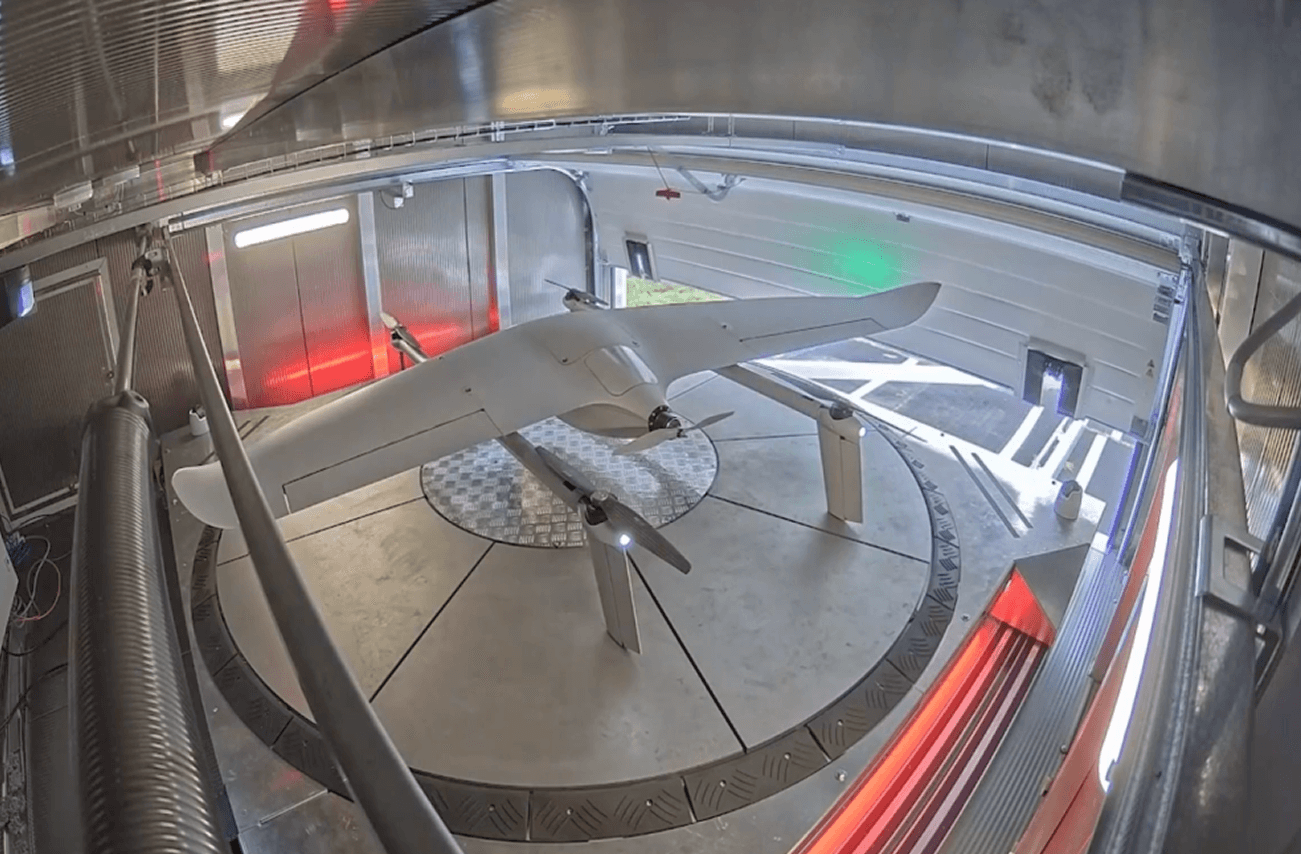
The Avy docking station handles everything a ground crew would. It opens, launches the aircraft, monitors the flight, guides it back, and recharges it for the next mission. No briefing. No setup. No one on site.

docking station
inside dock

Wireless charging

30 second response

Weather data

inside dock

Wireless charging

30 second response

Weather data

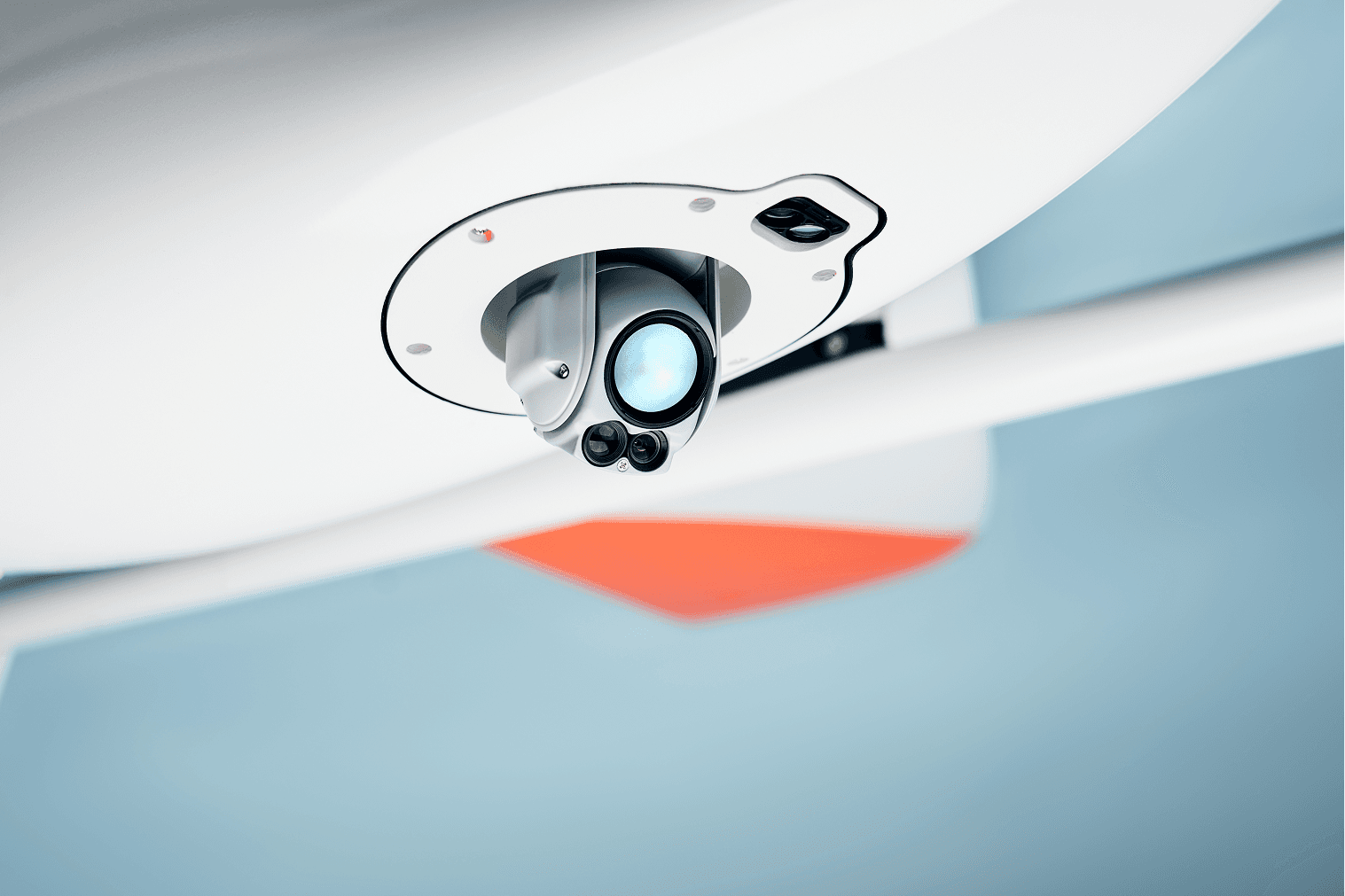
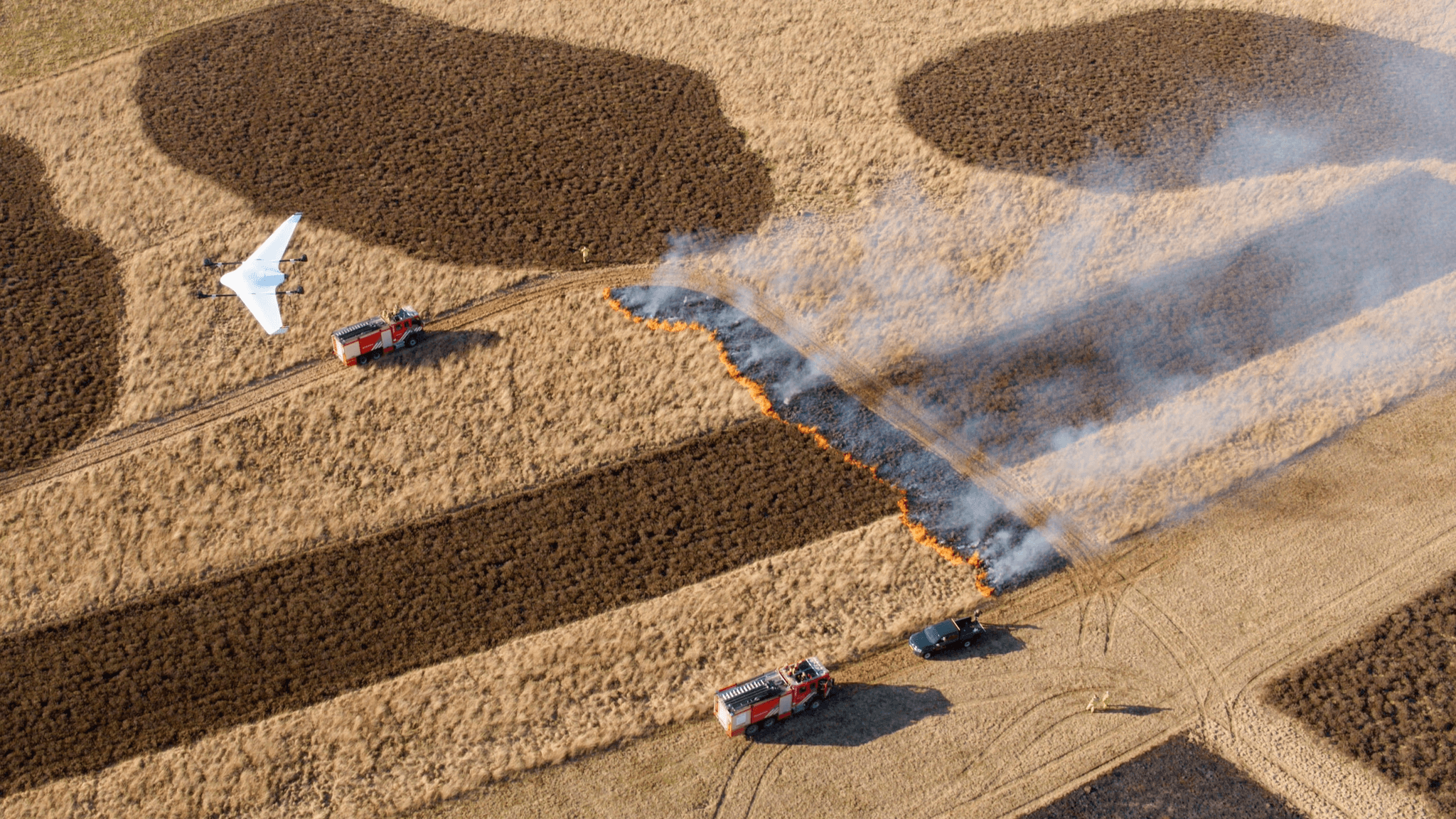
The Aera carries up to 3kg across a range of payload configurations. A 360° dual camera with 80x zoom and thermal imaging for surveillance, inspection and monitoring.
drone over fire
drone camera

80x zoom

Thermal and RGB

Medical cargo

drone camera

80x zoom

Thermal and RGB

Medical cargo

Get the full brochure & specsheets

avy logo black

Drone networks

Drone networks

Most drone operations depend on a pilot being present at every flight. Avy's approach is different. Docking stations are placed at fixed locations, near critical infrastructure, nature reserves, ports, or any area requiring persistent aerial coverage. The aircraft takes off, lands, charges, and shelters in its dock autonomously, ready to fly again within 30 seconds of a mission being triggered.

Multiple docking stations create a drone network. A single operator, monitoring remotely from a command centre, can manage coverage across hundreds of square kilometres with no one on site at any individual location.

This is what makes continuous autonomous aerial operations possible at scale.

Step 1

50x more aircraft coverage

Aera range of 70km = 7850km² coverage. Quadcopter range of 7km = 154km²
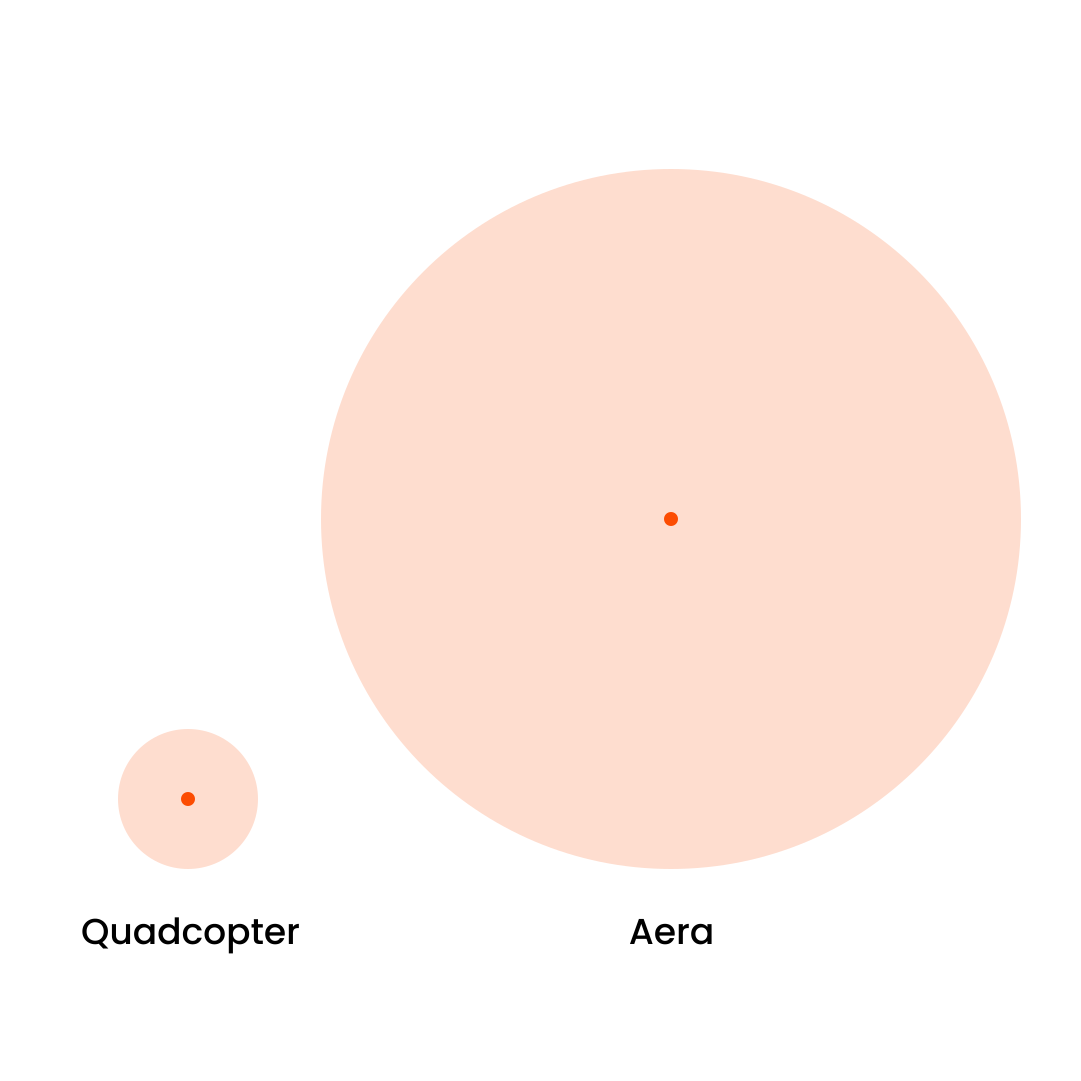
coverage diagram
box to box diagram

Step 2

Docks double the range

Docking stations mean the aircraft can go to its maximum distance without returning to the take off point.

Step 3

The network effect

The network effect

A network of aircraft can be managed from one central location creating huge coverage.
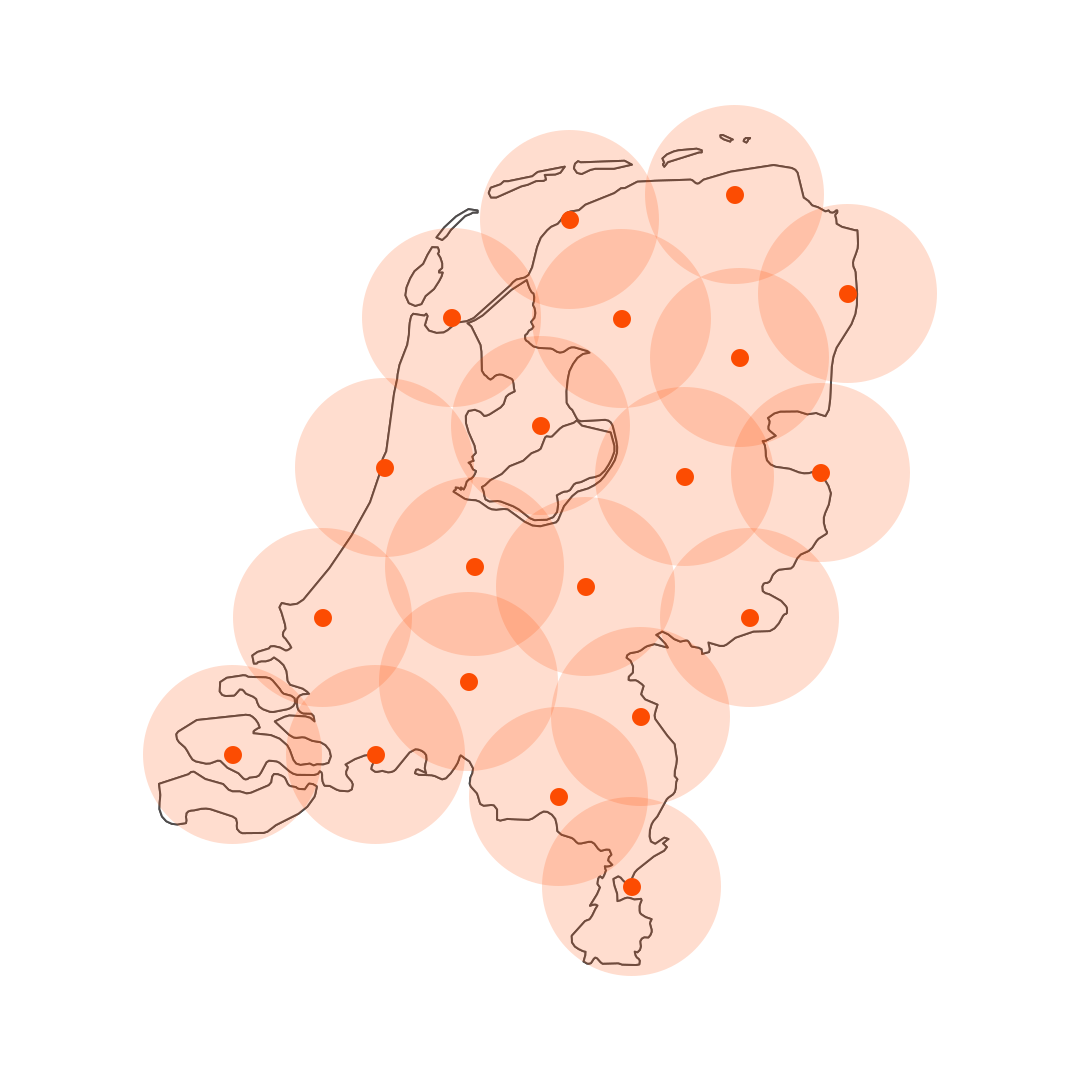
map coverage diagram
drone preparation

No operator? We'll fly it for you.

Not every operation starts with buying a drone network. Avy operates its own aircraft on behalf of clients across Europe — so you get the capability without the infrastructure. When you're ready to own and operate yourself, we're ready for that too.

No operator? We'll fly it for you.

Not every operation starts with buying a drone network. Avy operates its own aircraft on behalf of clients across Europe — so you get the capability without the infrastructure. When you're ready to own and operate yourself, we're ready for that too.

Did we miss anything?

Here are a few of the frequently asked questions

What is a drone network?
icon

A drone network is a system of aircraft, docking stations and operations software working together. Each docking station handles launch, landing and recharging automatically. A central operations centre connects them, allowing one operator to manage missions across multiple locations simultaneously.

Can the network be expanded over time?
icon

Yes. The system is modular — additional docking stations and aircraft can be added to extend coverage without replacing existing infrastructure. The operations software scales to manage a growing number of nodes from the same interface.

Does Avy operate the network or do we?
icon

Both options are available. Avy operates drone networks on behalf of clients across Europe under its BVLOS LUC. Organisations can also purchase the system and operate it themselves, with training provided through the Avy Flight Academy.

How many docking stations does a network need?
icon

It depends on the coverage required. A single station covers up to 7,850km² — enough for most port, nature reserve or infrastructure monitoring use cases. For corridor coverage or city-scale operations, multiple stations are deployed and managed from one centre.

Where can I find the full specifications?
icon

Full specifications for the Aera aircraft, docking station and payload are on their individual pages. You can also download the complete spec sheet and product brochure using the form on this page.

What payloads does the Aera carry?
icon

The Aera carries up to 3kg across a range of payload configurations including thermal cameras, RGB cameras, and the Avy MedBox for medical cargo. Payloads can be swapped between missions.

drone brain

FAQ

drone brain

FAQ