Drone as a first responder (DFR): eyes on the scene before anyone arrives
Dispatch
Launched the moment an incident is reported.
Arrive
On scene ahead of the first vehicle.
Assess
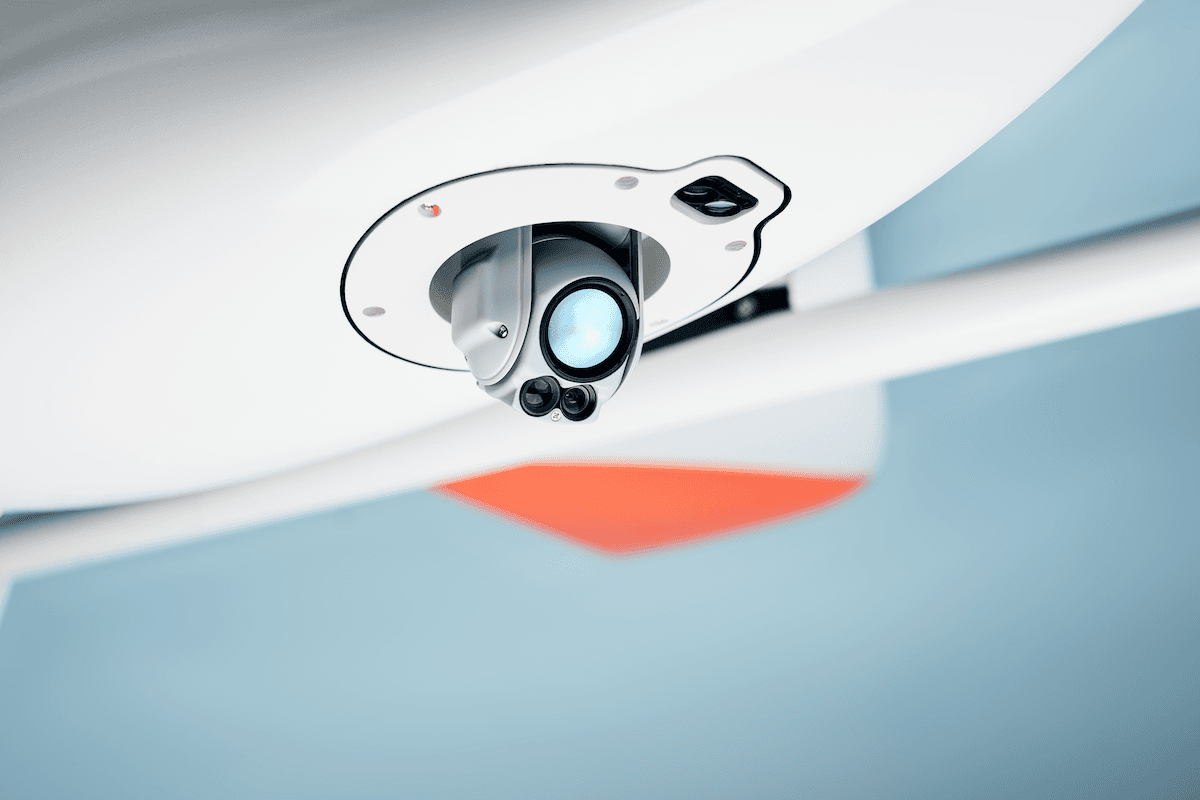
Live thermal and RGB to incident command.
The first minutes decide the outcome
When an incident is reported, ground units need time to mobilise and travel, and they arrive with no view from above. Helicopters give that view but are costly and rarely close by. A conventional drone still needs a pilot to drive to the scene first.
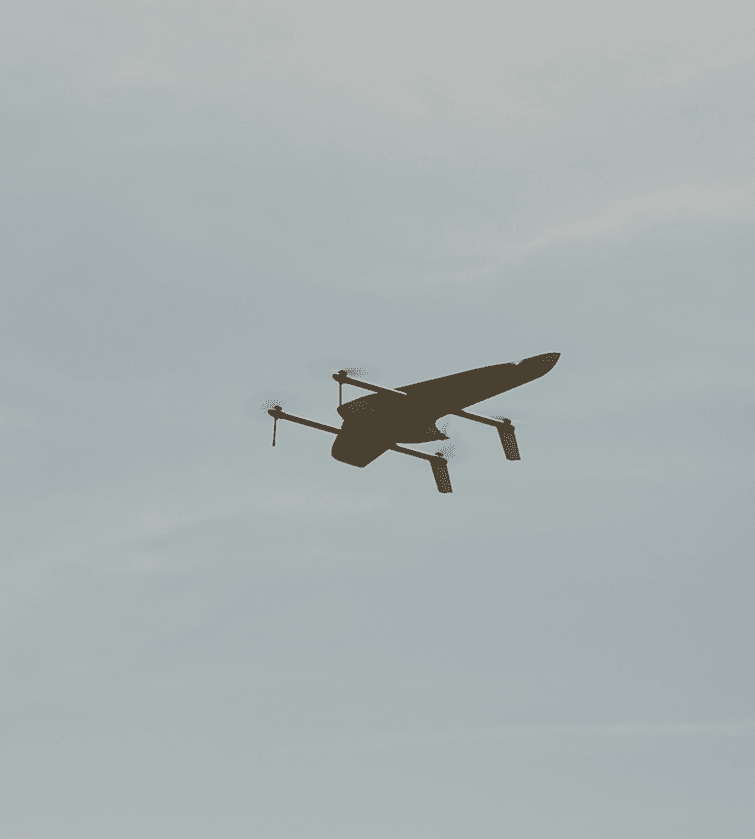
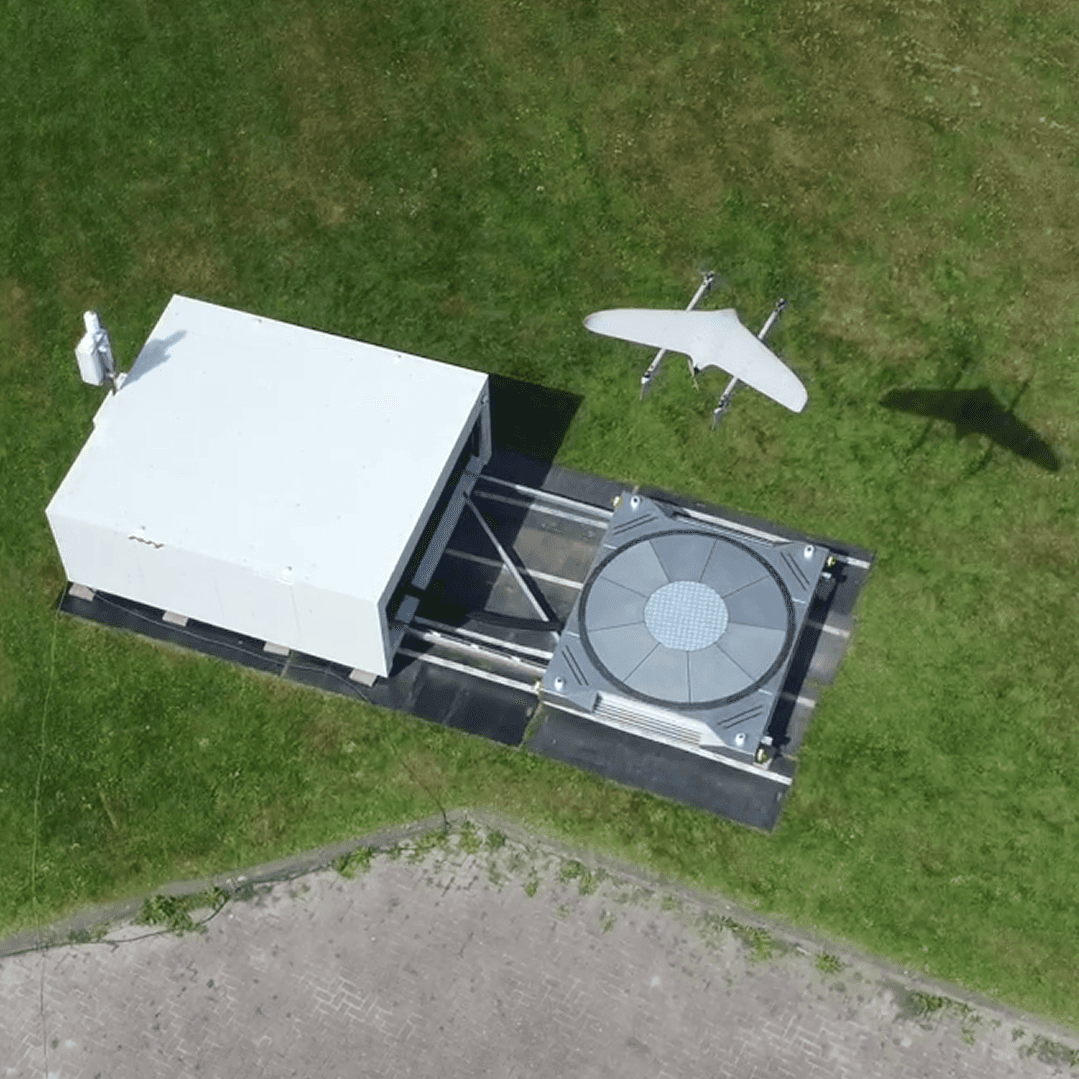
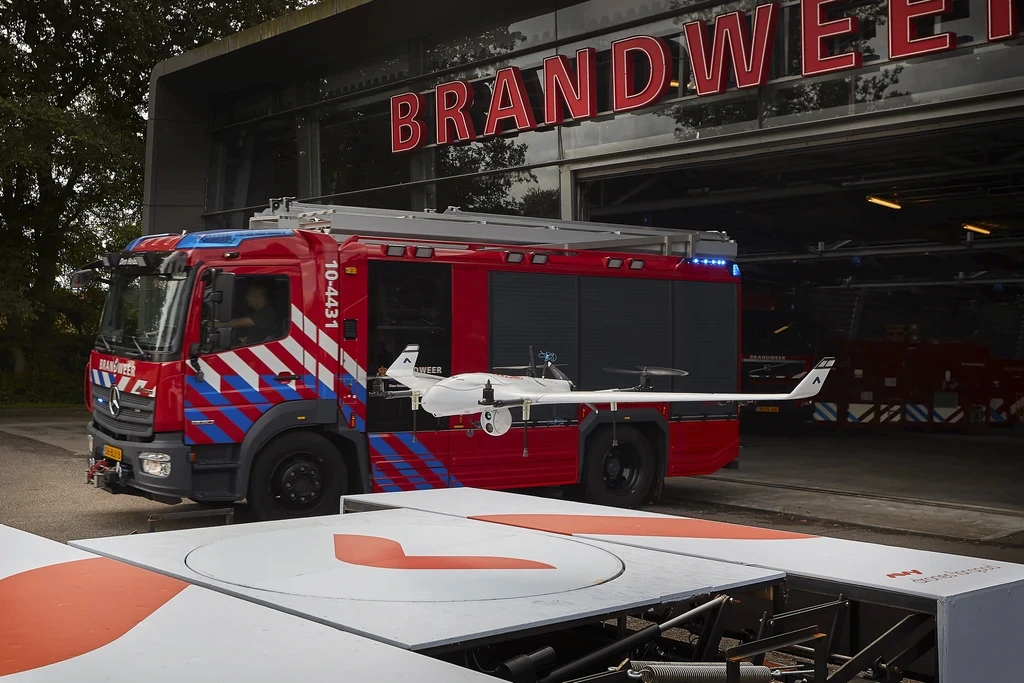
A drone as a first responder closes that gap. Avy Aera and her dock are stationed within a response zone. When a call comes in, she is dispatched from the operations centre, airborne in 30 seconds, and on scene ahead of the first vehicle, giving incident commanders a live picture before anyone has left the station. It does not replace responders. It tells them what they are heading into.
Drone as a first responder
Dispatched the moment the call comes in
The drone as a first responder model places a docked aircraft inside a defined response zone, ready at all times. A dispatcher or remote pilot triggers the mission and Aera flies at 83 km/h, covering 5 km in under four minutes, with no one needed at the dock.
That head start changes how resources are used. Commanders can see the scale of an incident, where people are and how to approach before crews arrive, and can scale the response up, or stand units down when a report turns out to be a false alarm.
Avy works with a Dutch regional police force on drone as a first responder operations, alongside its work with fire services.

Fire and wildfire
Find fires while they are still small
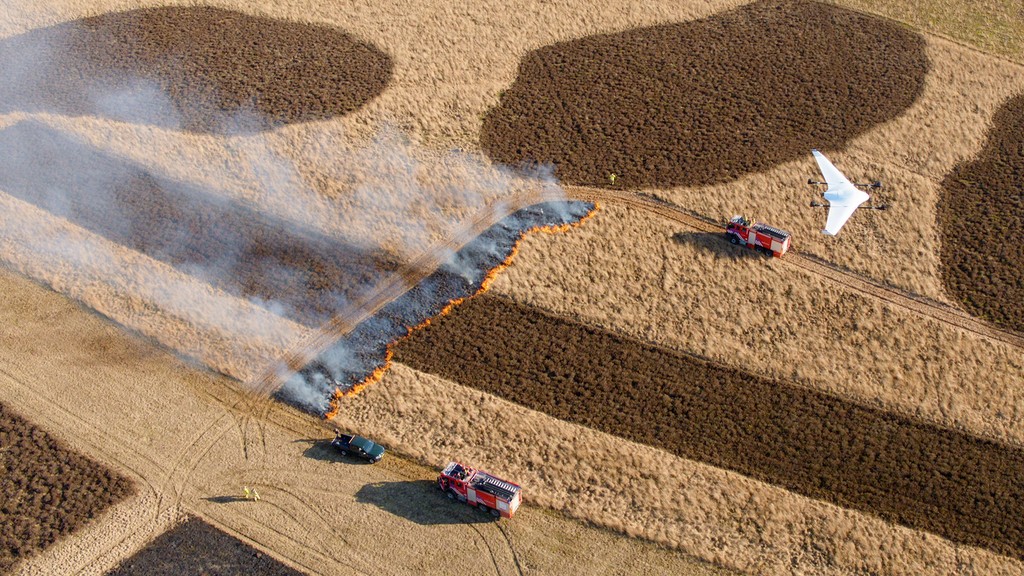
In wildfire response, early detection is the variable that matters most. A fire found at 0.1 hectares is manageable. The same fire at 10 hectares is not. Thermal cameras pick up heat signatures that standard cameras miss, so Aera can locate early fires across large areas and send precise positions and live imagery to crews on the way.

Search and rescue
Search in minutes what takes teams hours
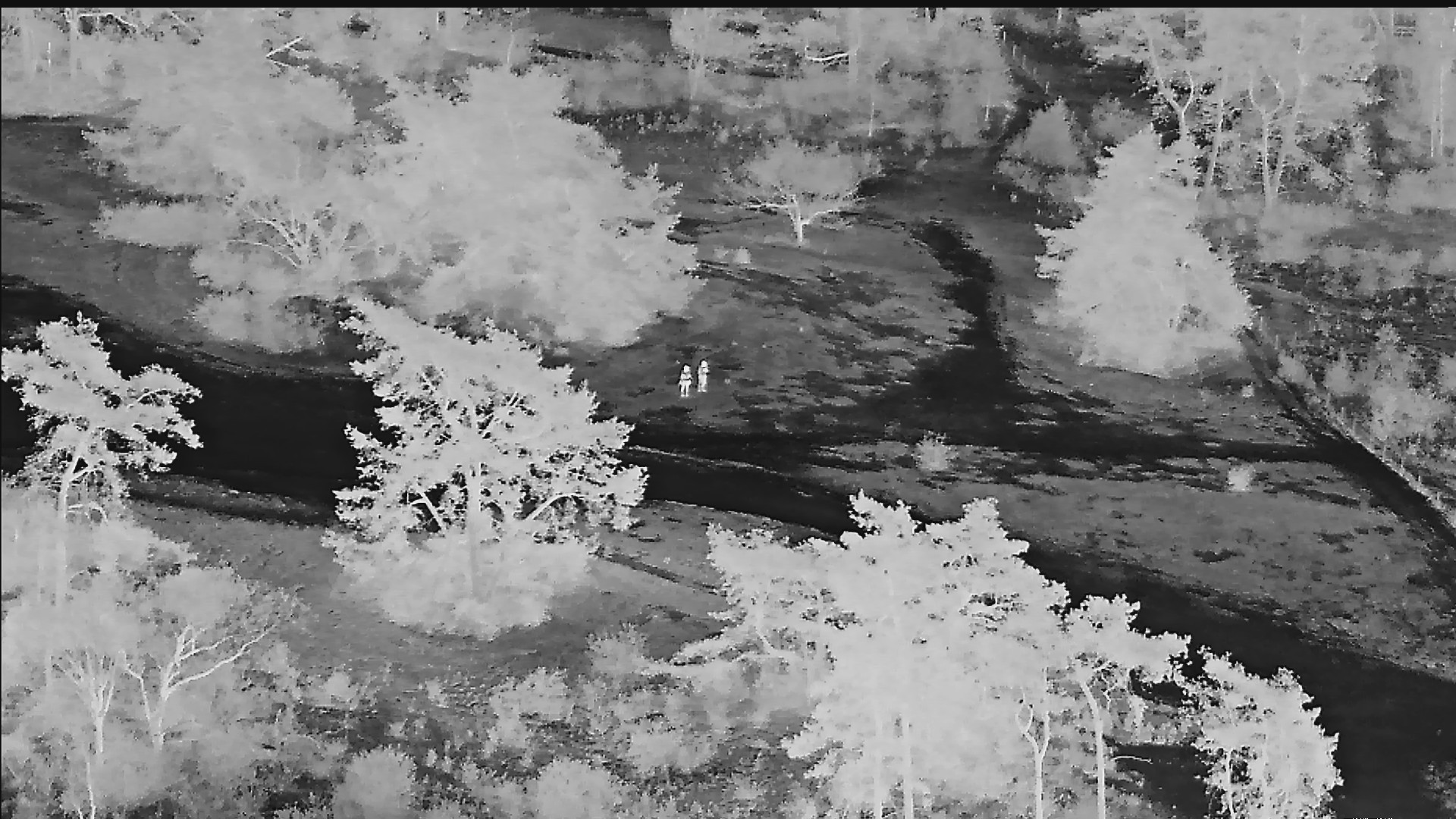
Thermal imaging finds body heat in darkness, dense vegetation and water. Combined with long range and flight beyond visual line of sight, Aera can sweep a search area in minutes that would take a team on foot hours, and direct ground teams straight to what she finds.

Always ready
No crew on site, ready for the next call
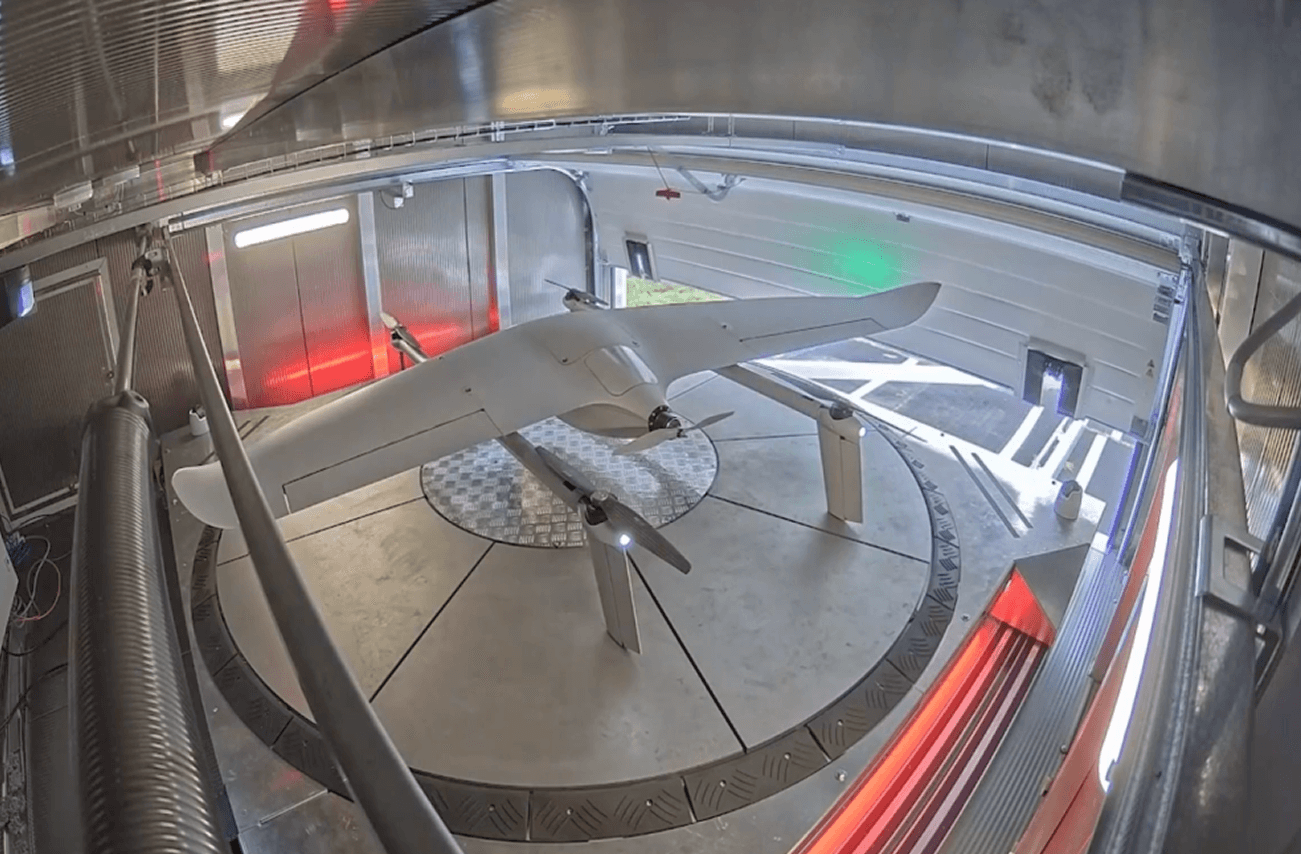
Between missions the dock recharges Aera automatically and keeps her sheltered, so the system is ready for the next call at any hour. Everything is run remotely from an operations centre that can plug into an existing emergency dispatch environment. Aera flies in wind up to 30 knots including gusts, and in rain, because incidents do not wait for good weather.


Organisations flying with Avy

Did we miss anything?
Here are a few of the frequently asked questions

Ready to deploy a drone-as-a-first-responder programme?
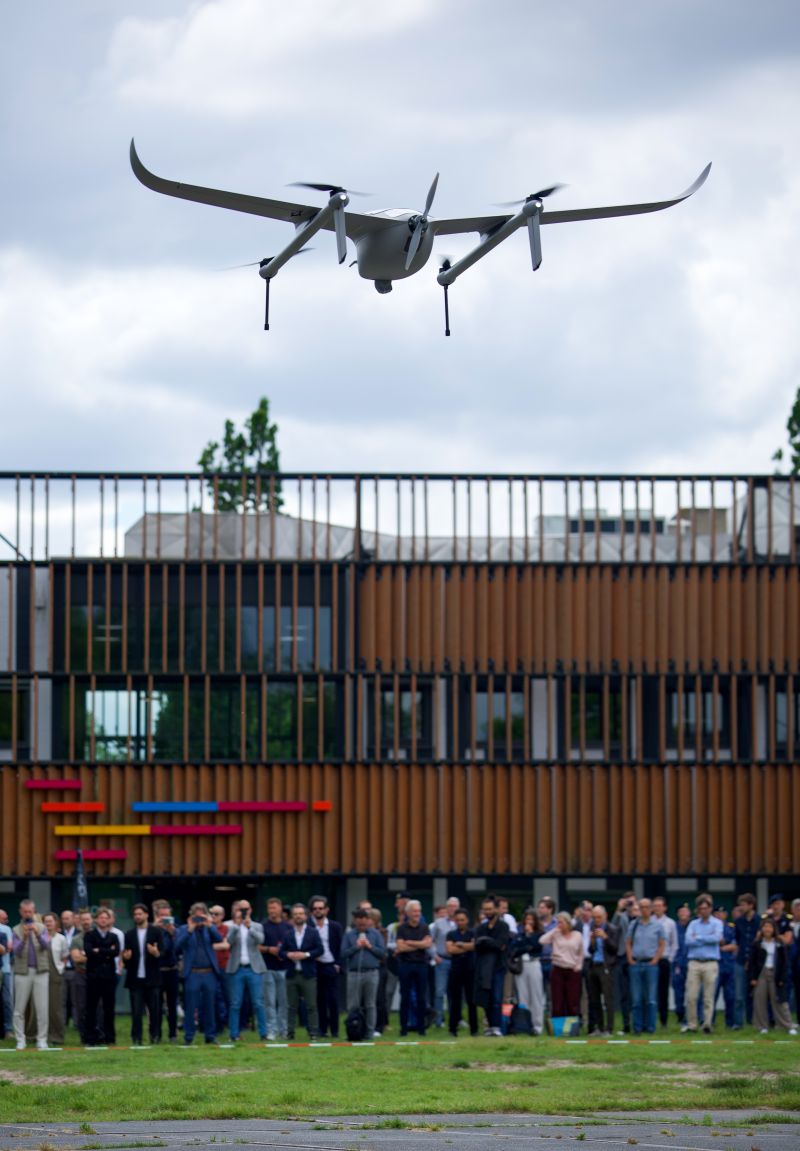
Avy works with police forces, fire services, and emergency response operators across Europe. Contact us to discuss how autonomous drone deployment could work within your response infrastructure.