The technology behind autonomous drone networks

Drone technology only delivers real-world value when every part of the system works together. Here's how we think about it.

The Avy way

Frequently asked questions.

What is the difference between VTOL and fixed-wing drones?

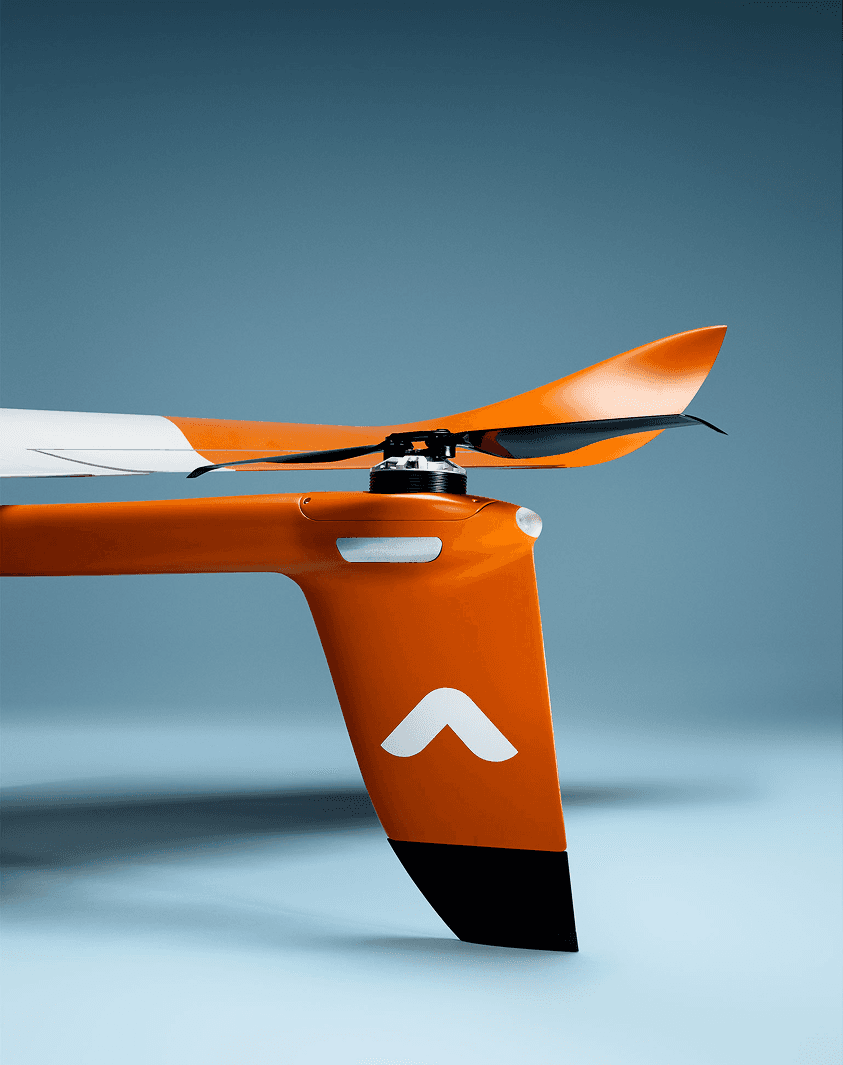
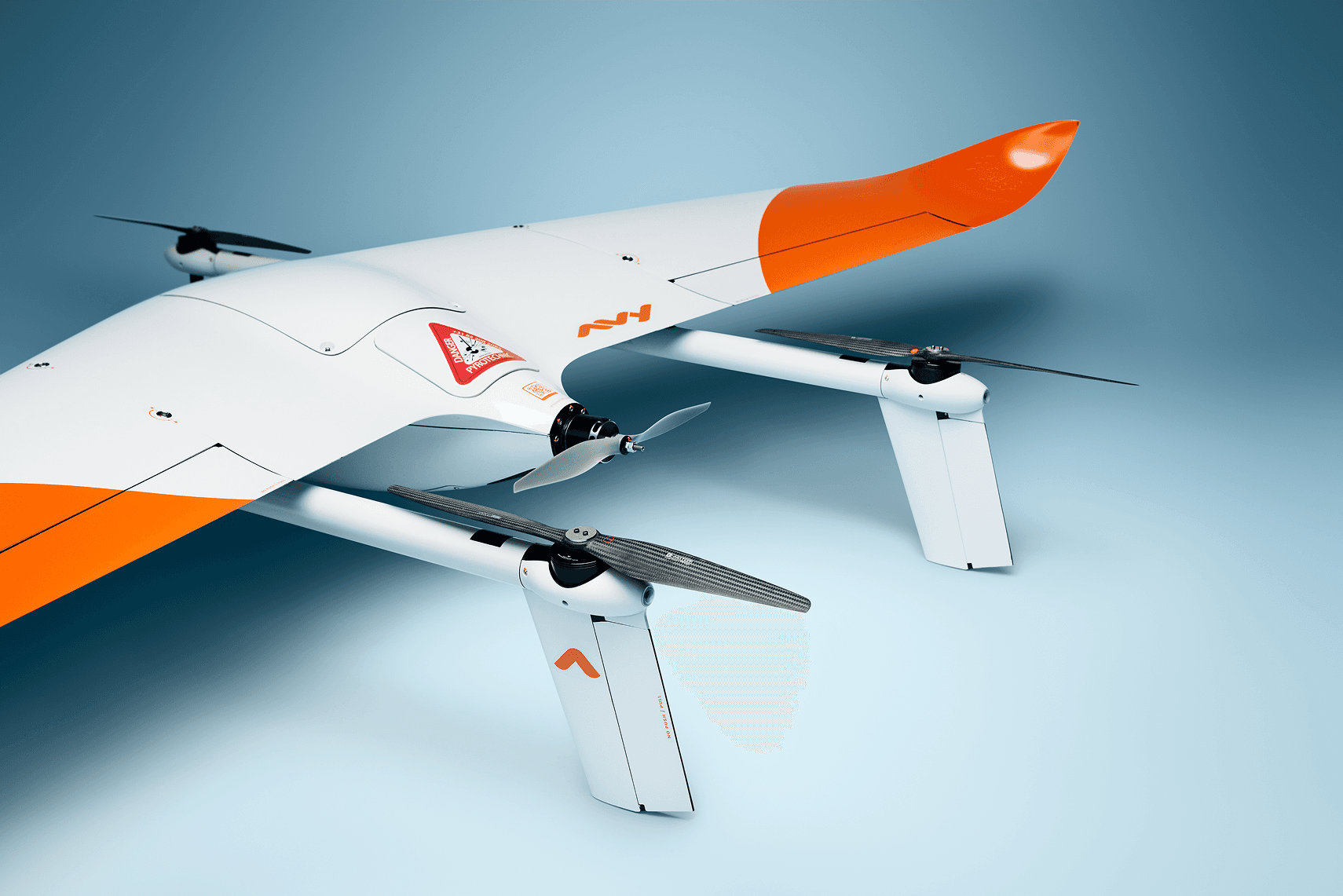
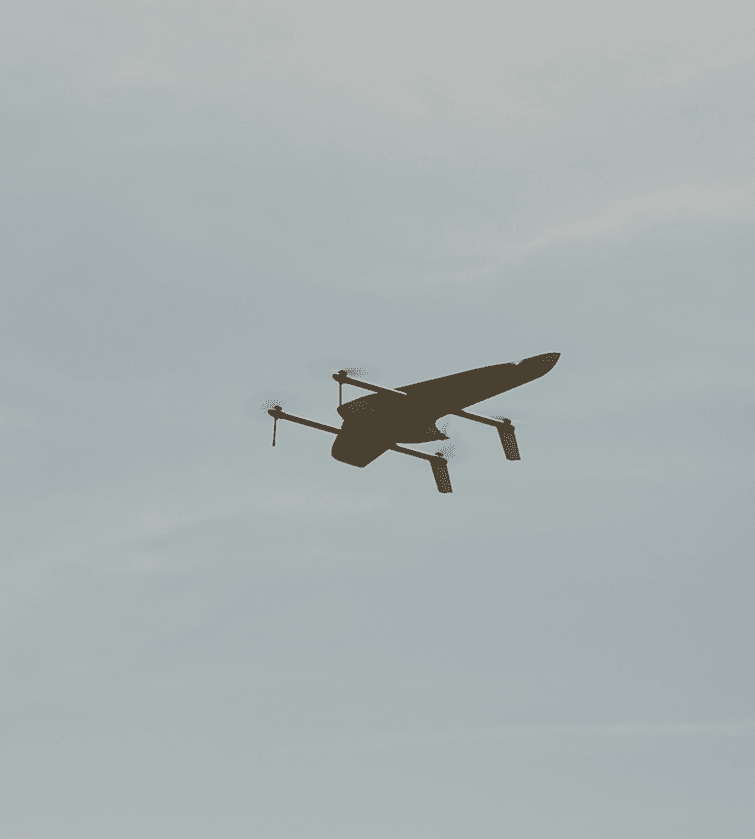
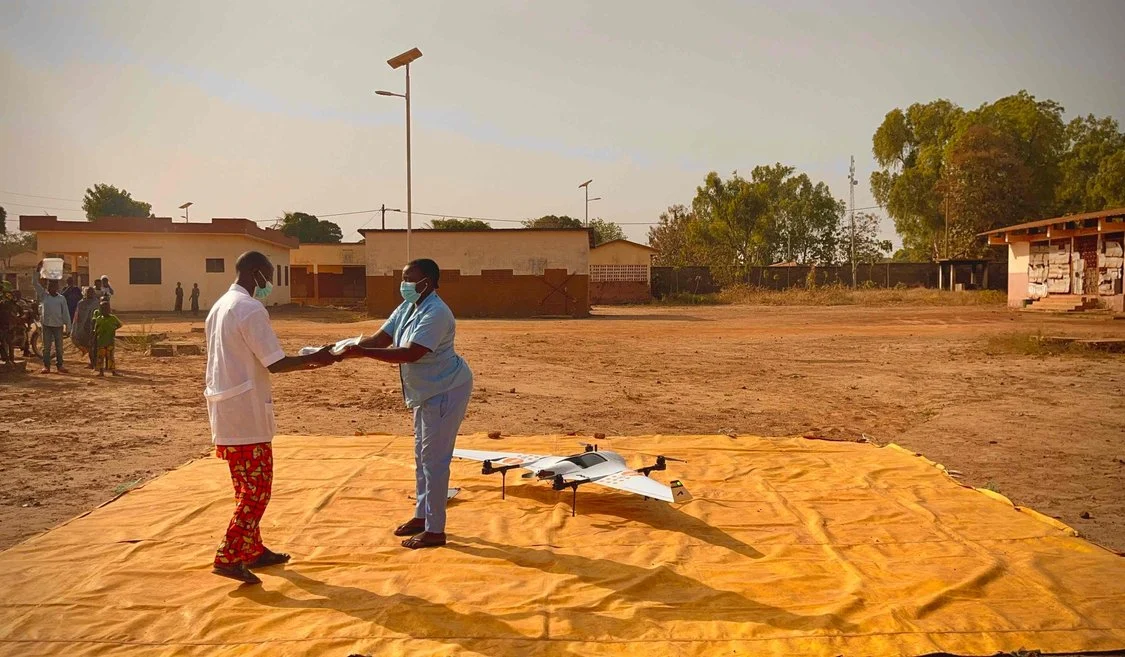
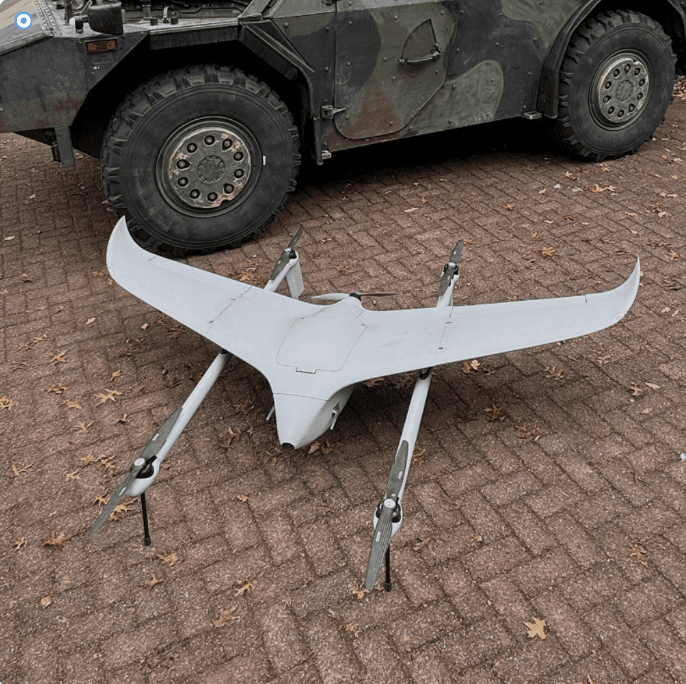
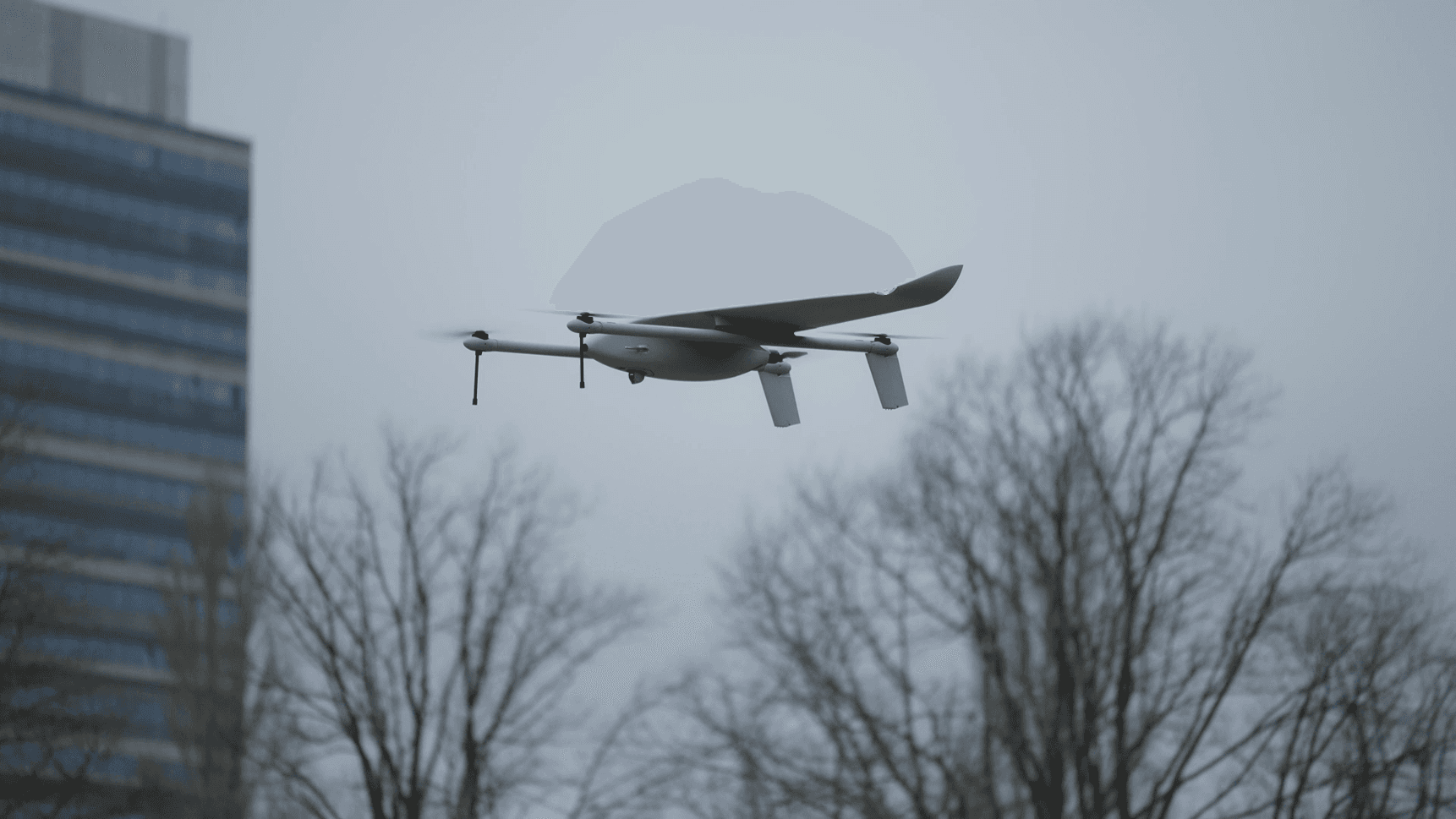
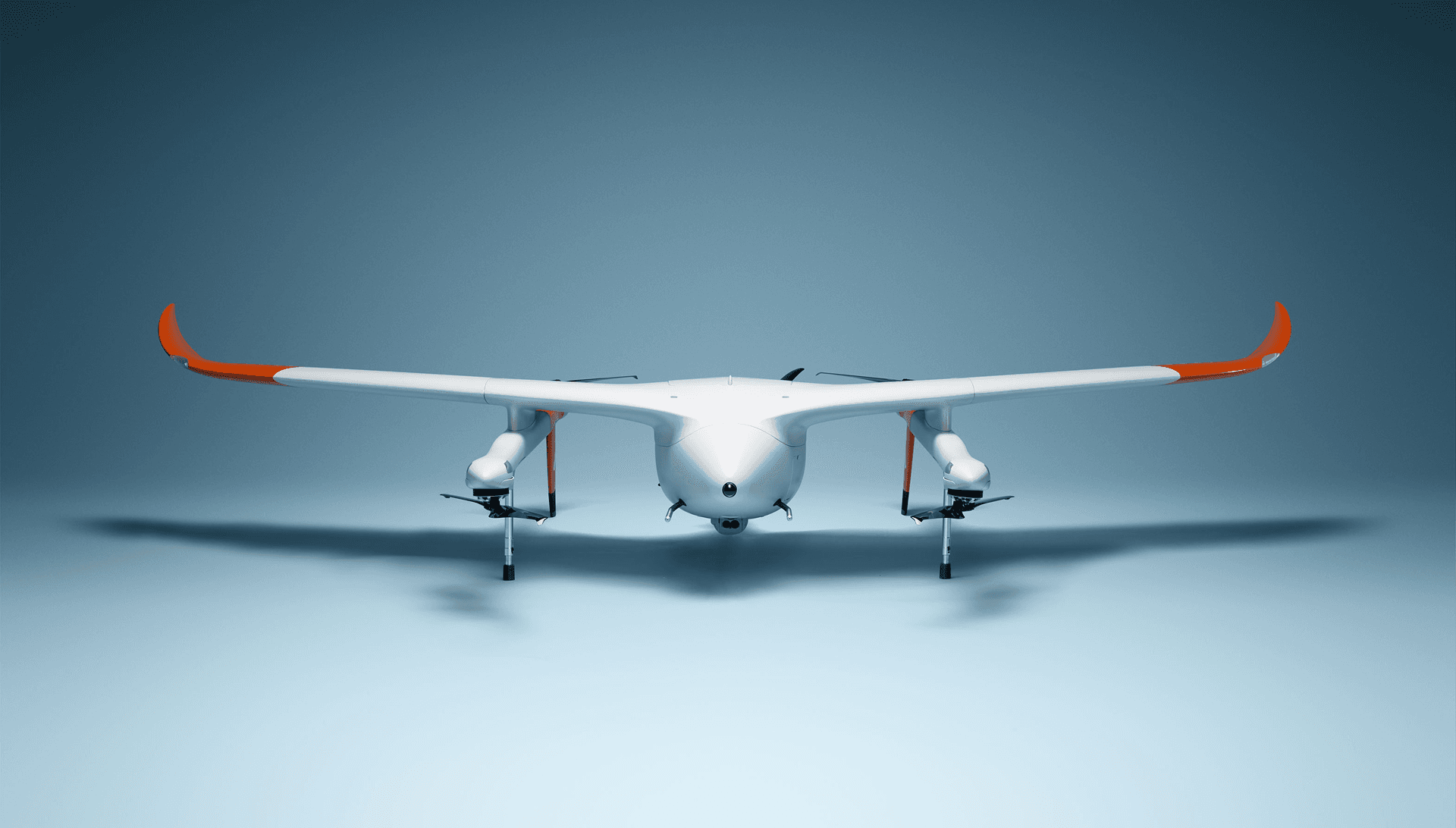
Most drones are one or the other. VTOL drones like quadcopters take off vertically but are inefficient over distance. Fixed-wing drones are efficient but need a runway. The Avy Aera combines both: it takes off and lands vertically, then transitions to fixed-wing flight for the journey. You get the deployment flexibility of a quadcopter with the range and efficiency of a plane.

How far can a BVLOS drone fly?

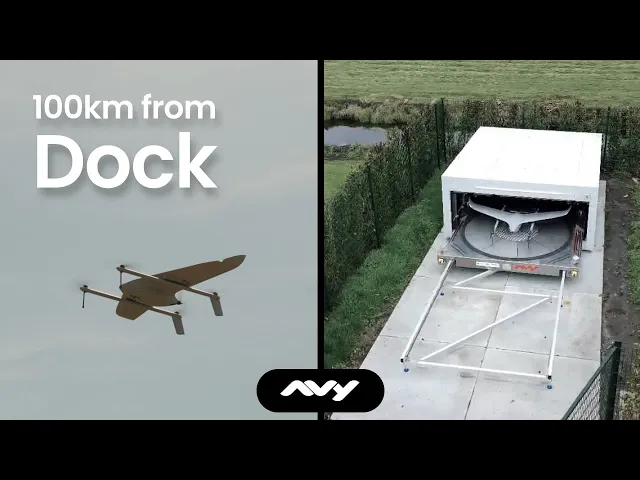
The Avy Aera flies up to 100km on a single charge at a cruise speed of 100km/h. With box-to-box docking, landing at a remote dock rather than returning to base, effective range can be doubled or extended further across a network of docking stations.

Do drone networks need pilots on site?

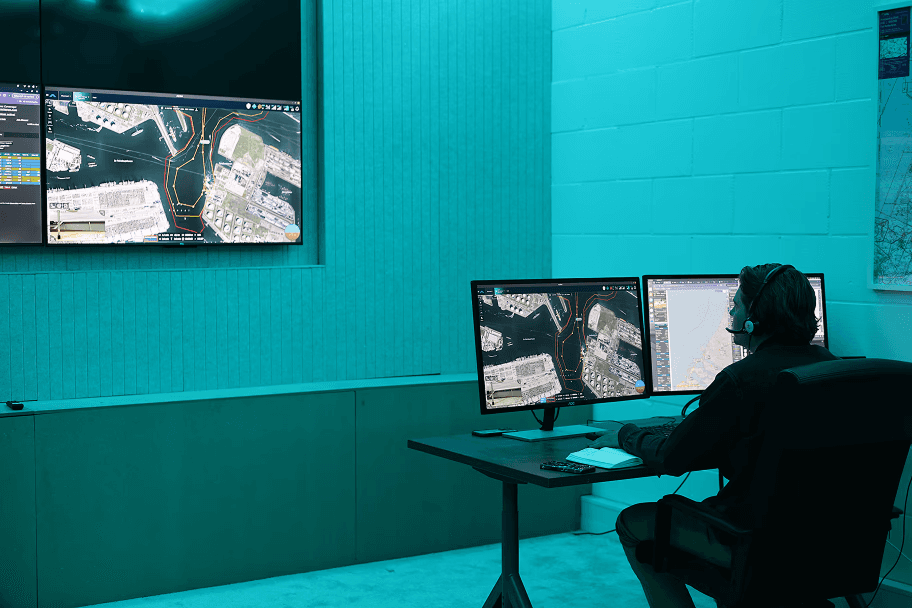
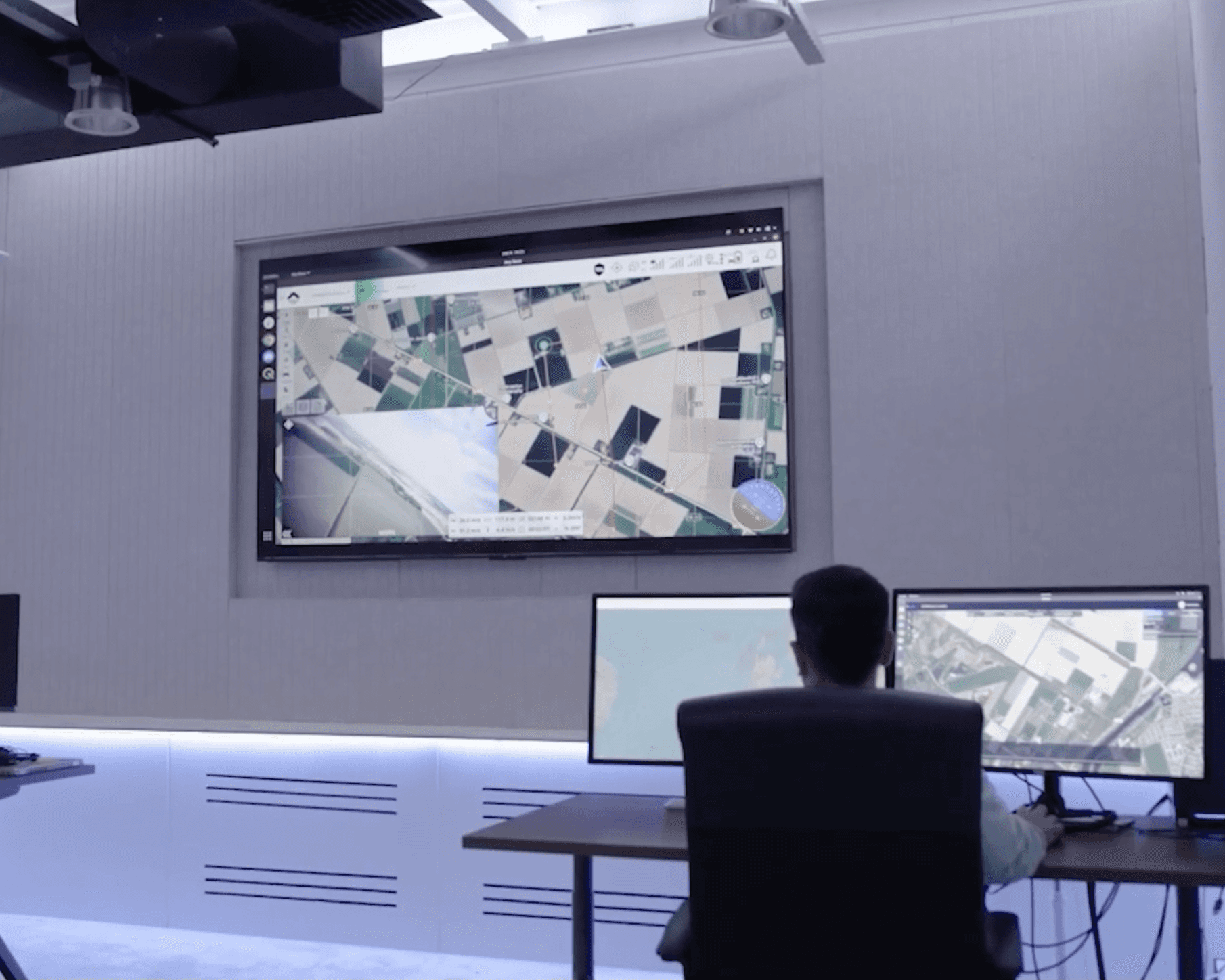
No. Avy's docking stations handle launch, landing and recharging automatically. Pilots operate remotely from a central operations centre, monitoring live footage and managing flight paths from kilometres away. No one needs to be present at the launch location.

What is a drone docking station?

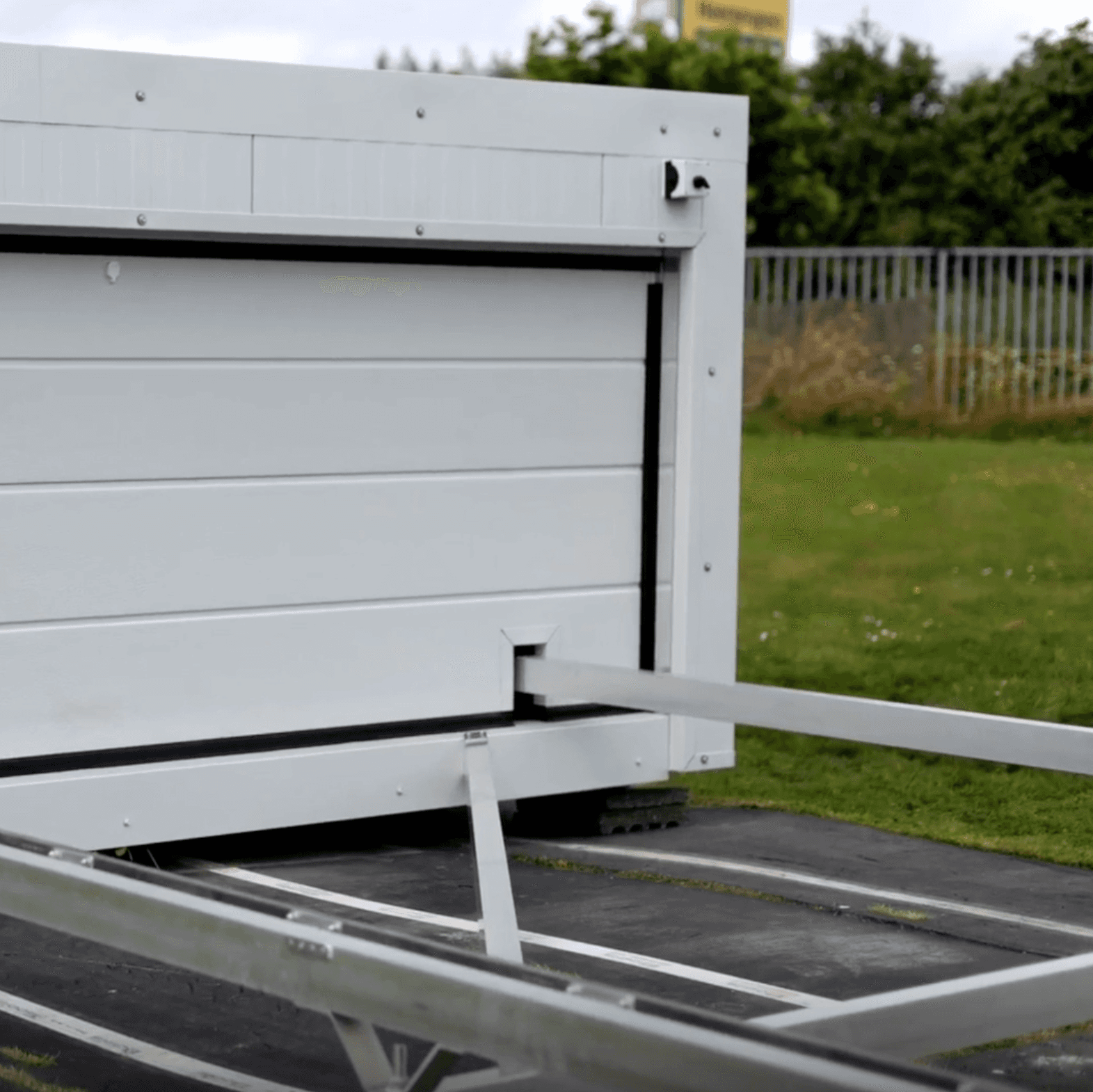
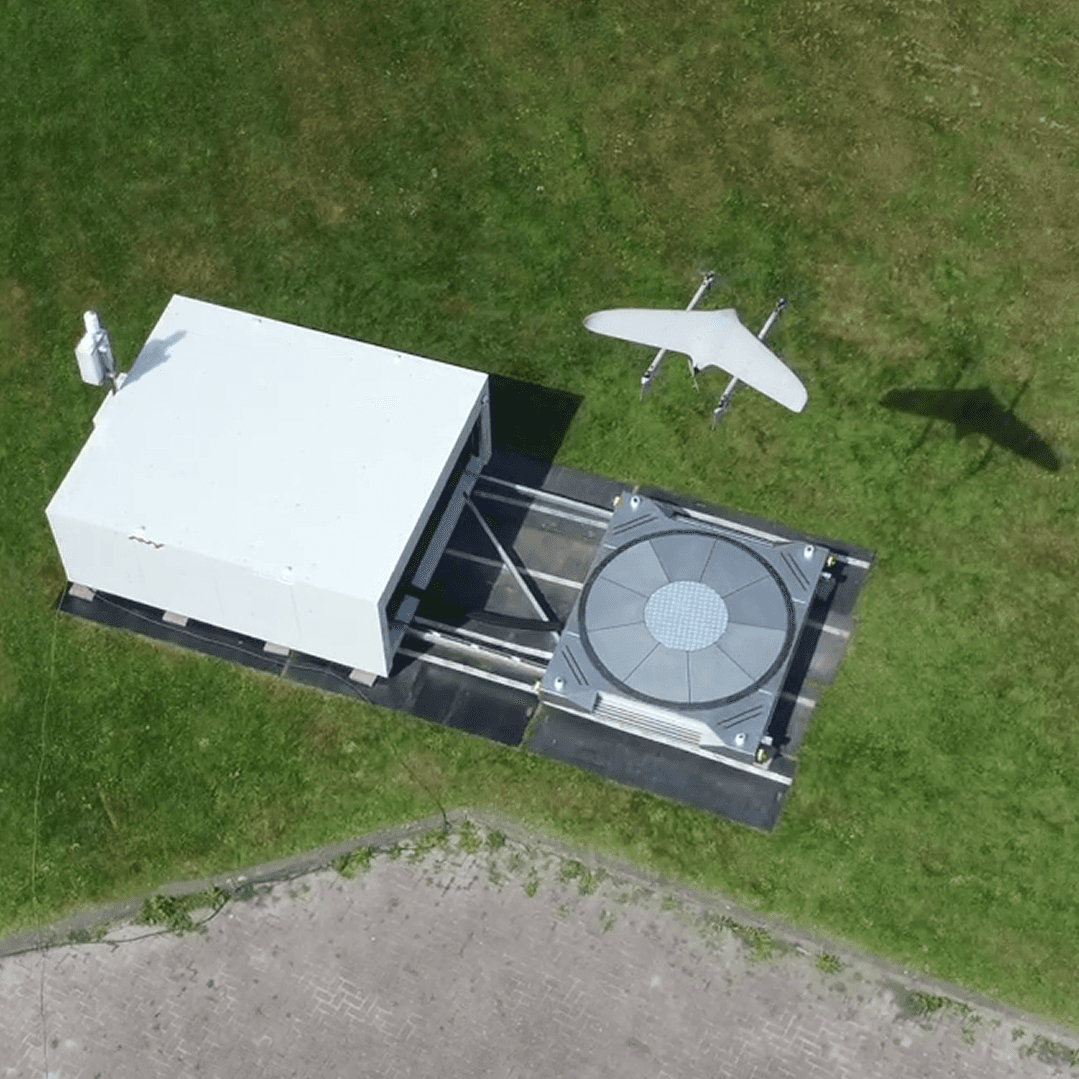
A docking station is a permanent base for the drone. It handles automatic launch, landing and recharging without any human intervention on site. It's what makes a drone network truly autonomous. Rather than being deployed manually for each mission, the drone is always ready, charged and waiting for its next task.

How is a drone network different from a single drone?

A single drone covers one area at a time and needs to return to base to recharge. A drone network connects multiple aircraft and docking stations through shared software and a central operations centre. Each dock acts as a node, enabling coverage across vast areas simultaneously, making city-scale or port-scale operations possible.

Can Avy drones fly in bad weather

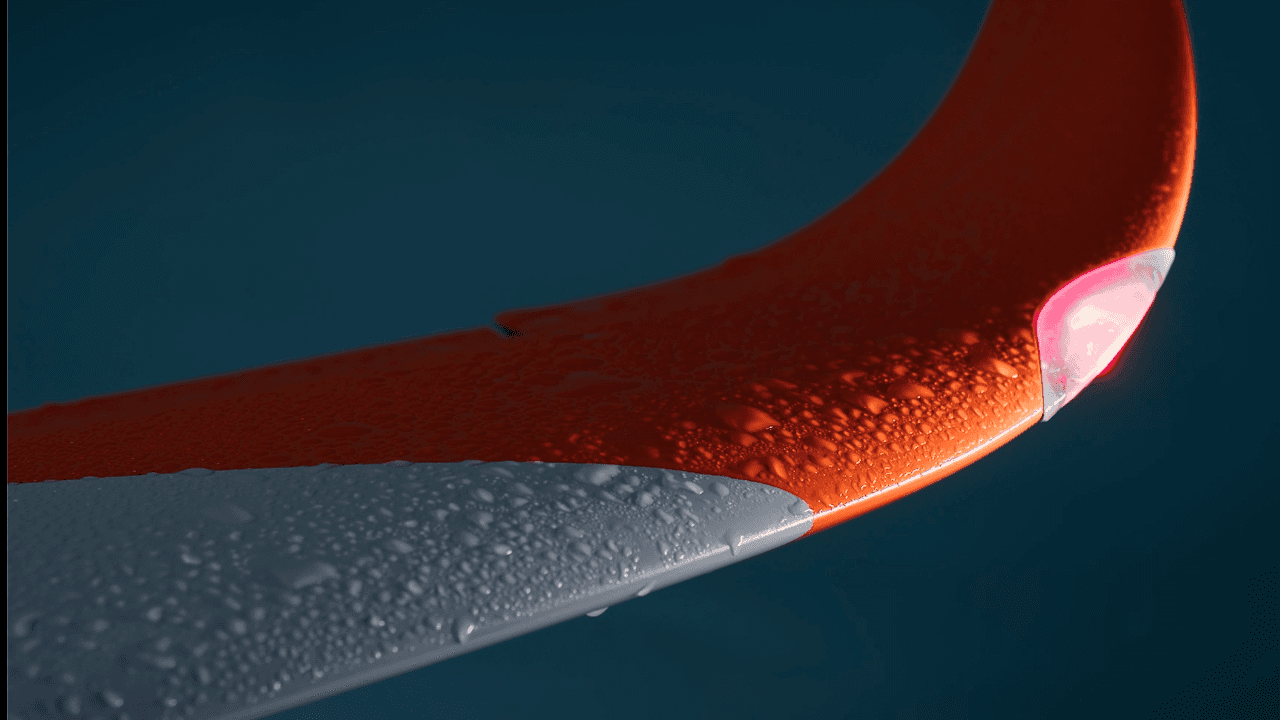
Yes. Aera is built for operational conditions. It handles rain, winds of 25+ knots, extreme cold and heat. It's designed to be deployable when it matters most, not just in ideal conditions.

What is the difference between VTOL and fixed-wing drones?

Most drones are one or the other. VTOL drones like quadcopters take off vertically but are inefficient over distance. Fixed-wing drones are efficient but need a runway. The Avy Aera combines both: it takes off and lands vertically, then transitions to fixed-wing flight for the journey. You get the deployment flexibility of a quadcopter with the range and efficiency of a plane.

How far can a BVLOS drone fly?

The Avy Aera flies up to 100km on a single charge at a cruise speed of 100km/h. With box-to-box docking, landing at a remote dock rather than returning to base, effective range can be doubled or extended further across a network of docking stations.

Do drone networks need pilots on site?

No. Avy's docking stations handle launch, landing and recharging automatically. Pilots operate remotely from a central operations centre, monitoring live footage and managing flight paths from kilometres away. No one needs to be present at the launch location.

What is a drone docking station?

A docking station is a permanent base for the drone. It handles automatic launch, landing and recharging without any human intervention on site. It's what makes a drone network truly autonomous. Rather than being deployed manually for each mission, the drone is always ready, charged and waiting for its next task.

How is a drone network different from a single drone?

A single drone covers one area at a time and needs to return to base to recharge. A drone network connects multiple aircraft and docking stations through shared software and a central operations centre. Each dock acts as a node, enabling coverage across vast areas simultaneously, making city-scale or port-scale operations possible.

Can Avy drones fly in bad weather

Yes. Aera is built for operational conditions. It handles rain, winds of 25+ knots, extreme cold and heat. It's designed to be deployable when it matters most, not just in ideal conditions.