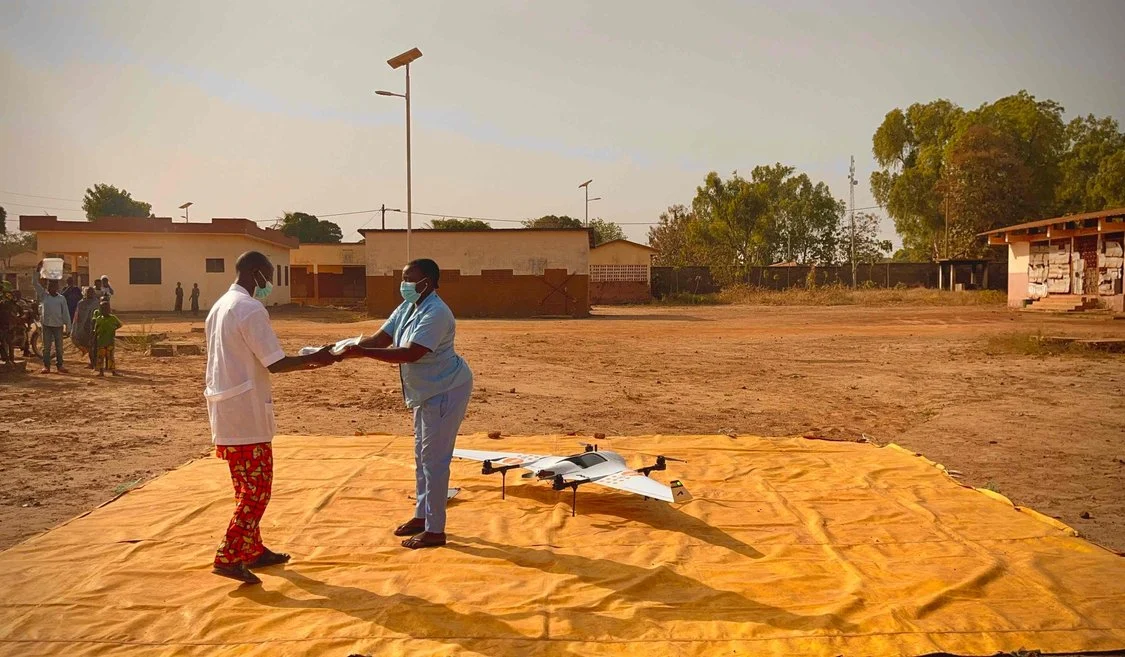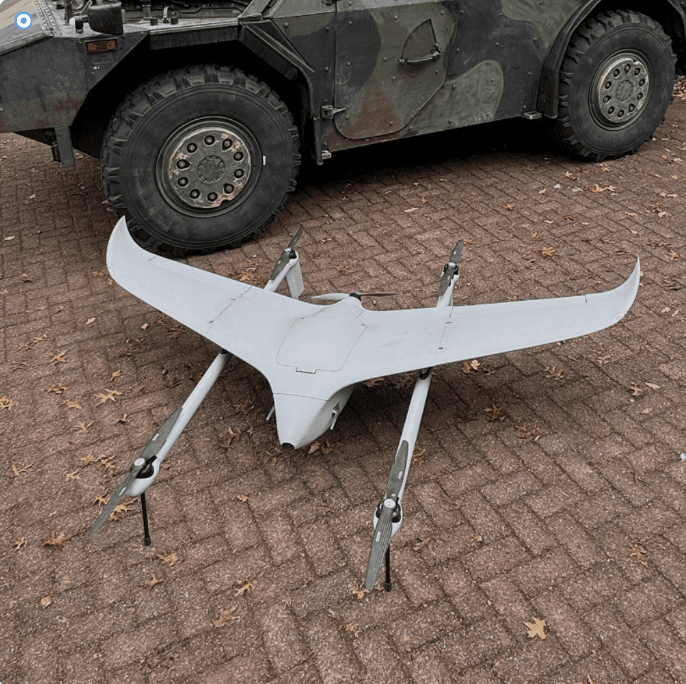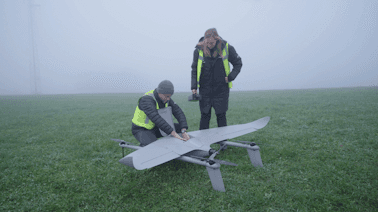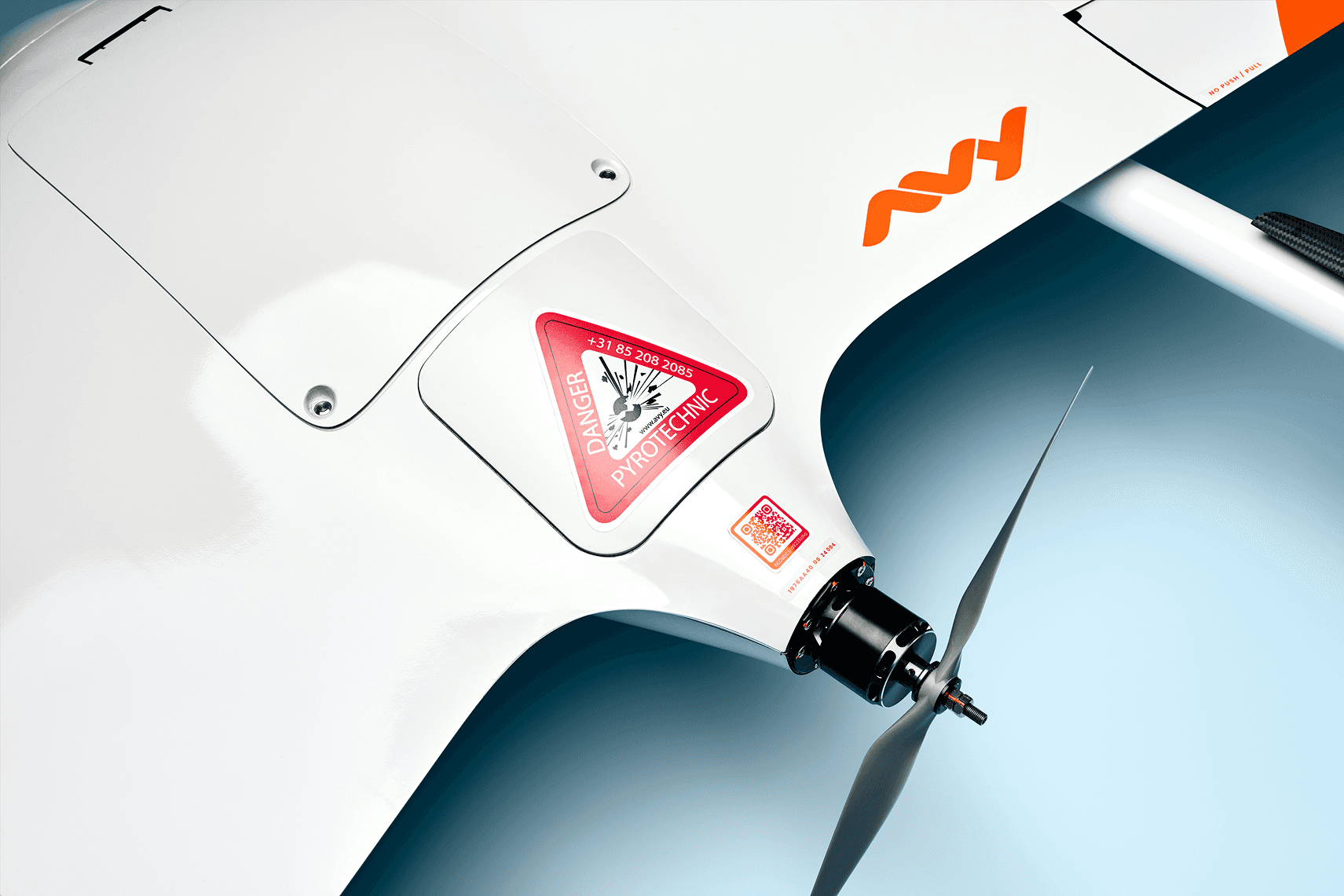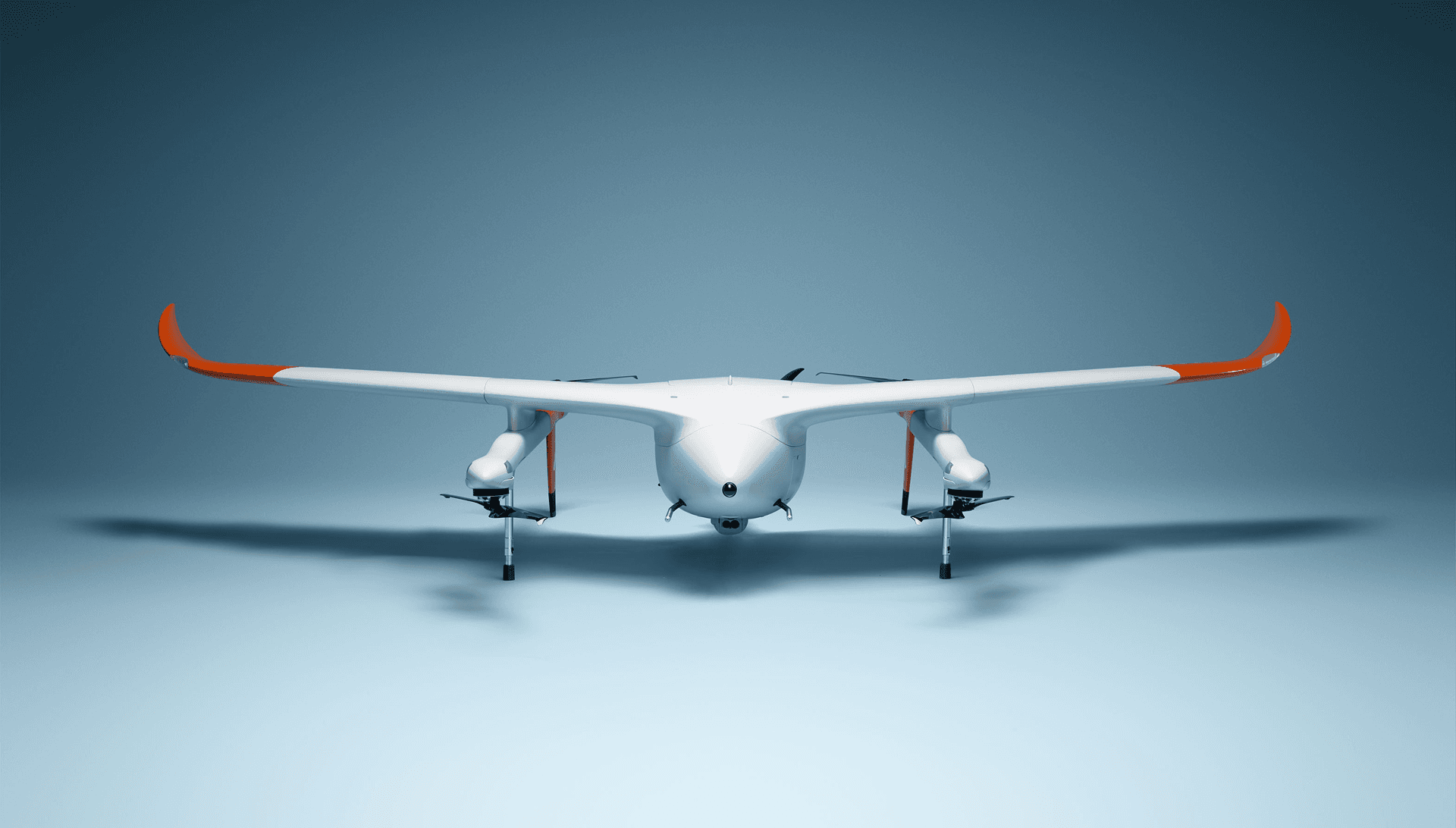
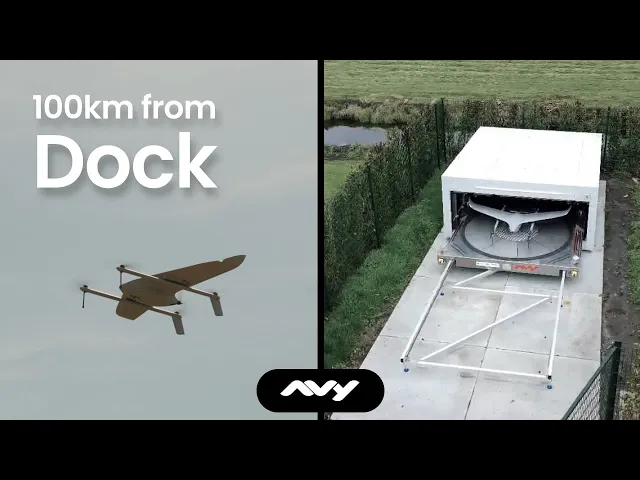
Avy launches from its dock in seconds and gains data in minutes; whilst you pilot from anywhere you want.

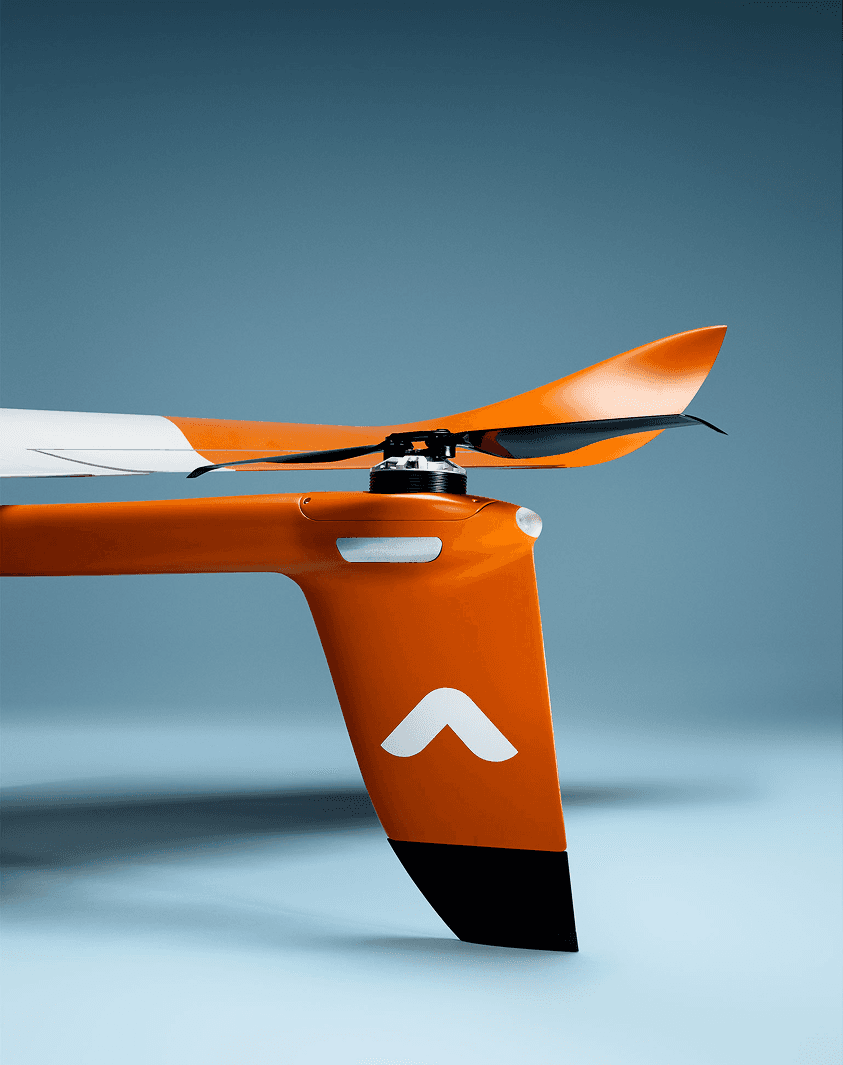
3kg payload
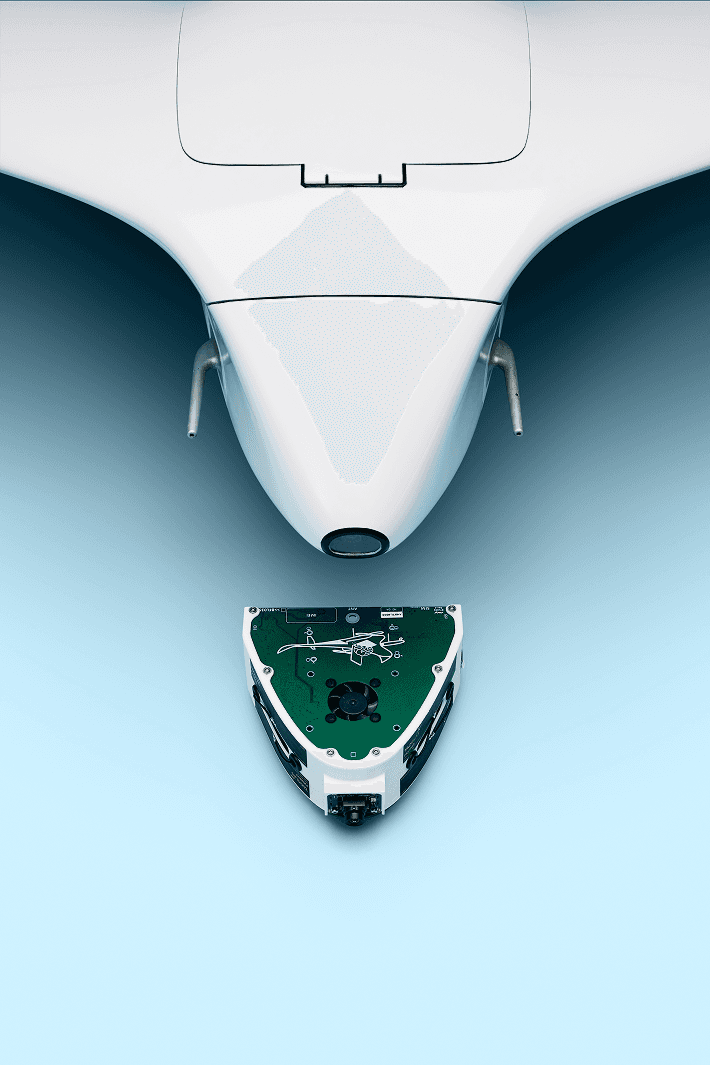
European construction
In standard drone operations, pilots are legally required to maintain direct visual contact with their aircraft at all times, a restriction known as Visual Line of Sight (VLOS). This typically limits usable range to under 500 metres and confines drones to niche, short-range tasks. BVLOS is beyond the 500 metres...

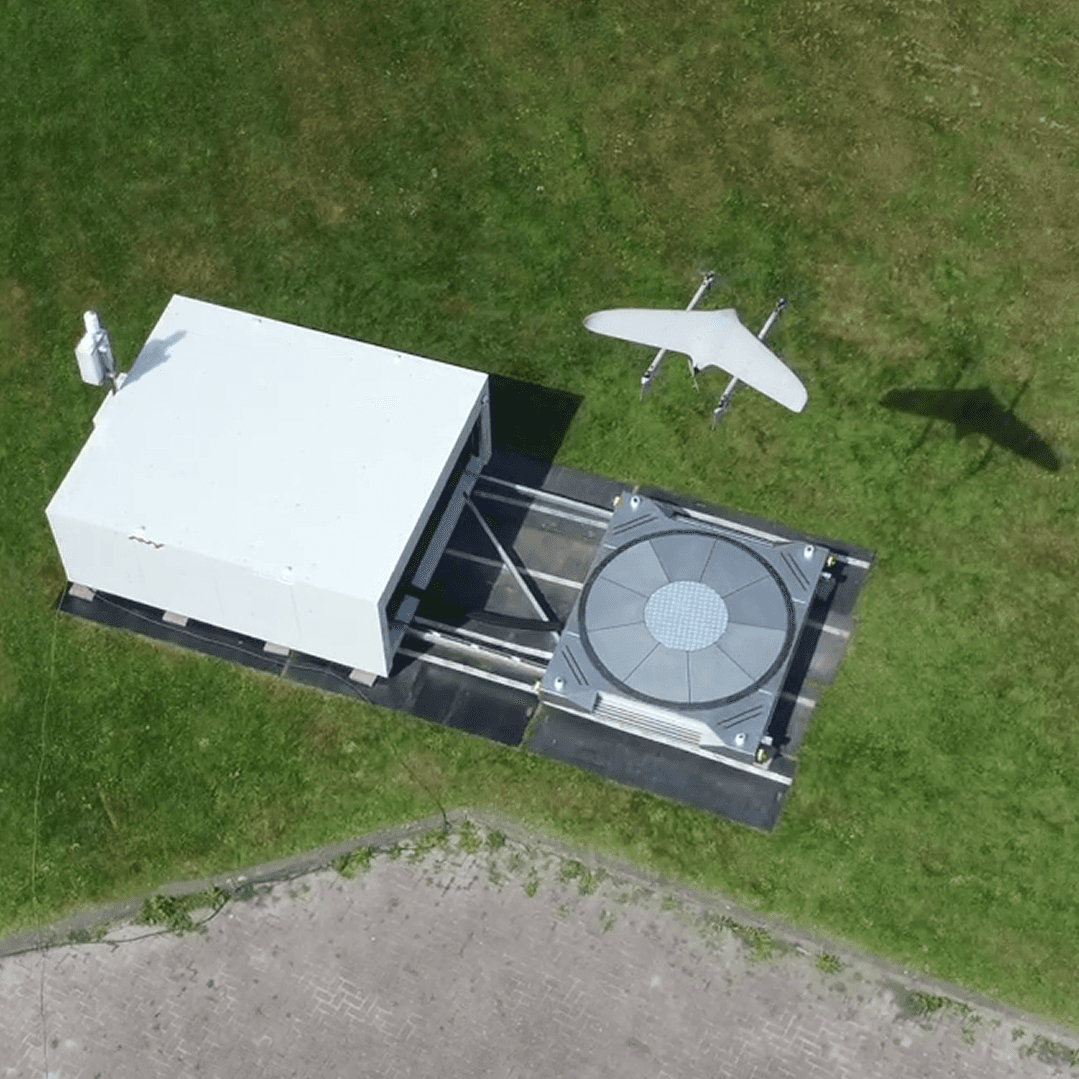
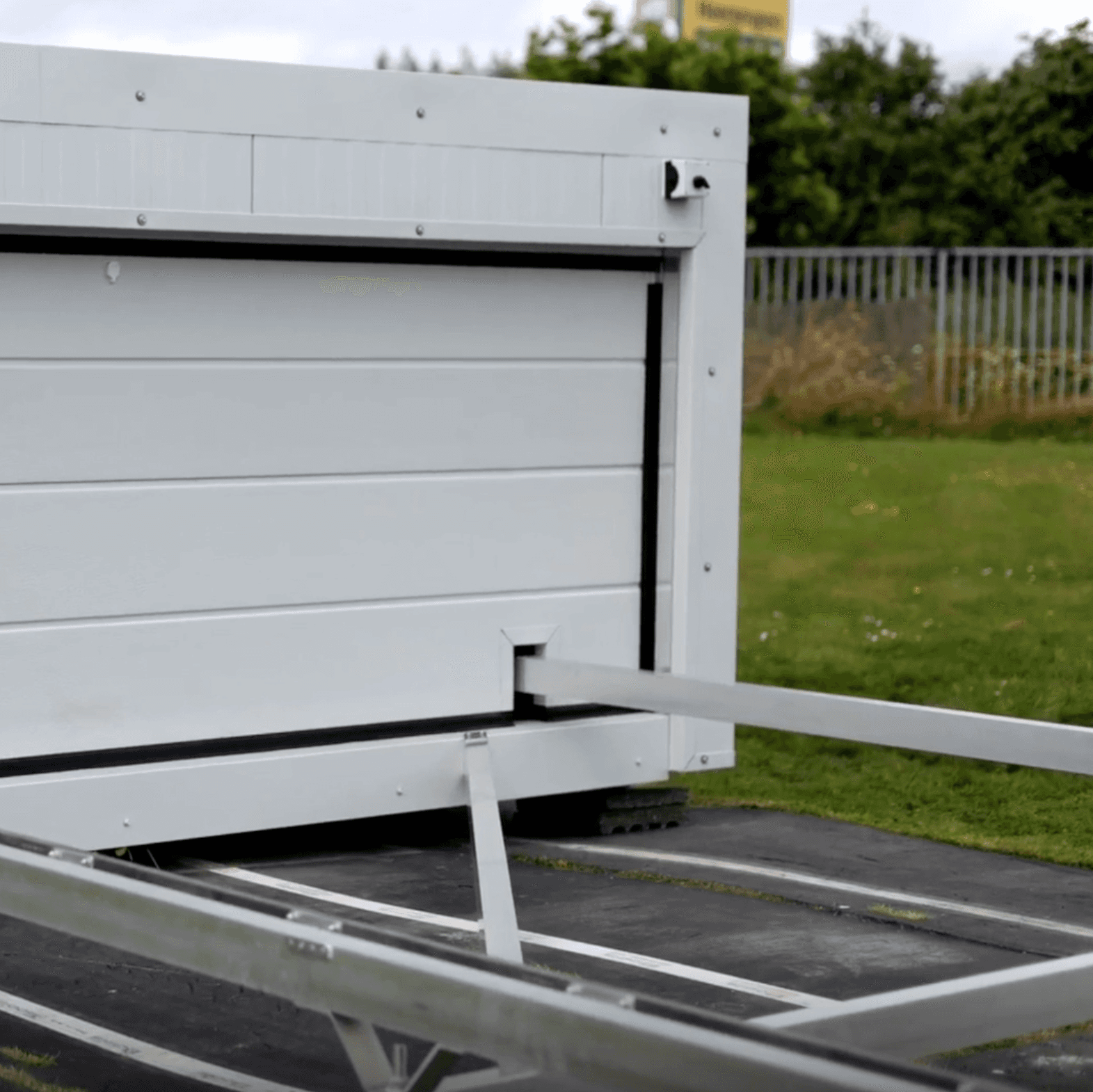
With a drone-in-a-box, the aircraft lives on site and deploys itself, on a schedule or the moment something triggers it. It covers a set area, sends back data or live footage, and is ready to go again within minutes. One system can watch a perimeter, run routine inspections and respond to incidents, without anyone travelling to the site to fly it.
Launch - store - charge
A drone without a dock is a drone that needs a human nearby. Avy's docking station handles launch, landing and recharging automatically, no operator on site required. It's what transforms a drone from a tool into infrastructure.
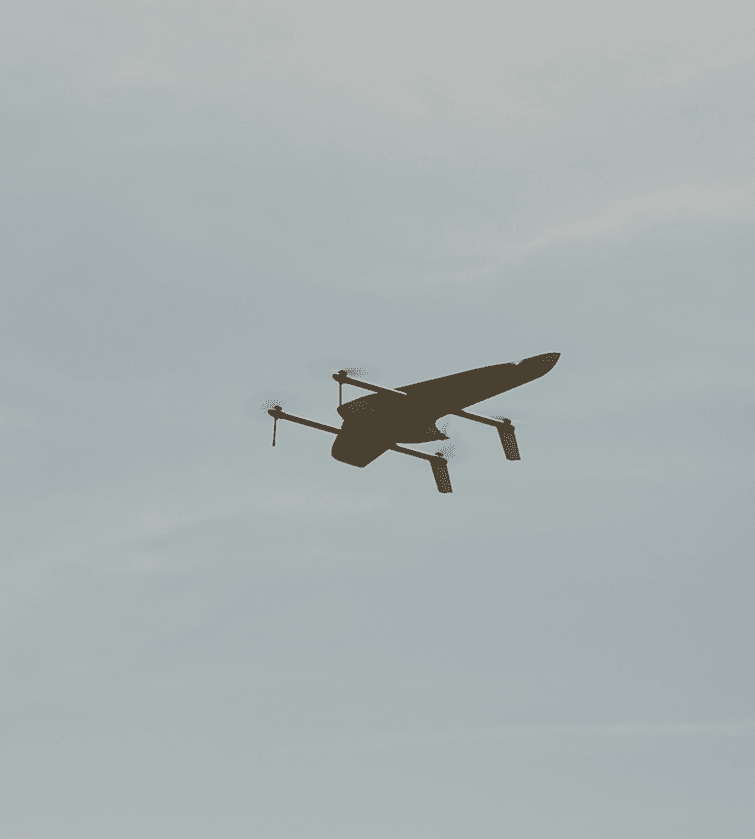
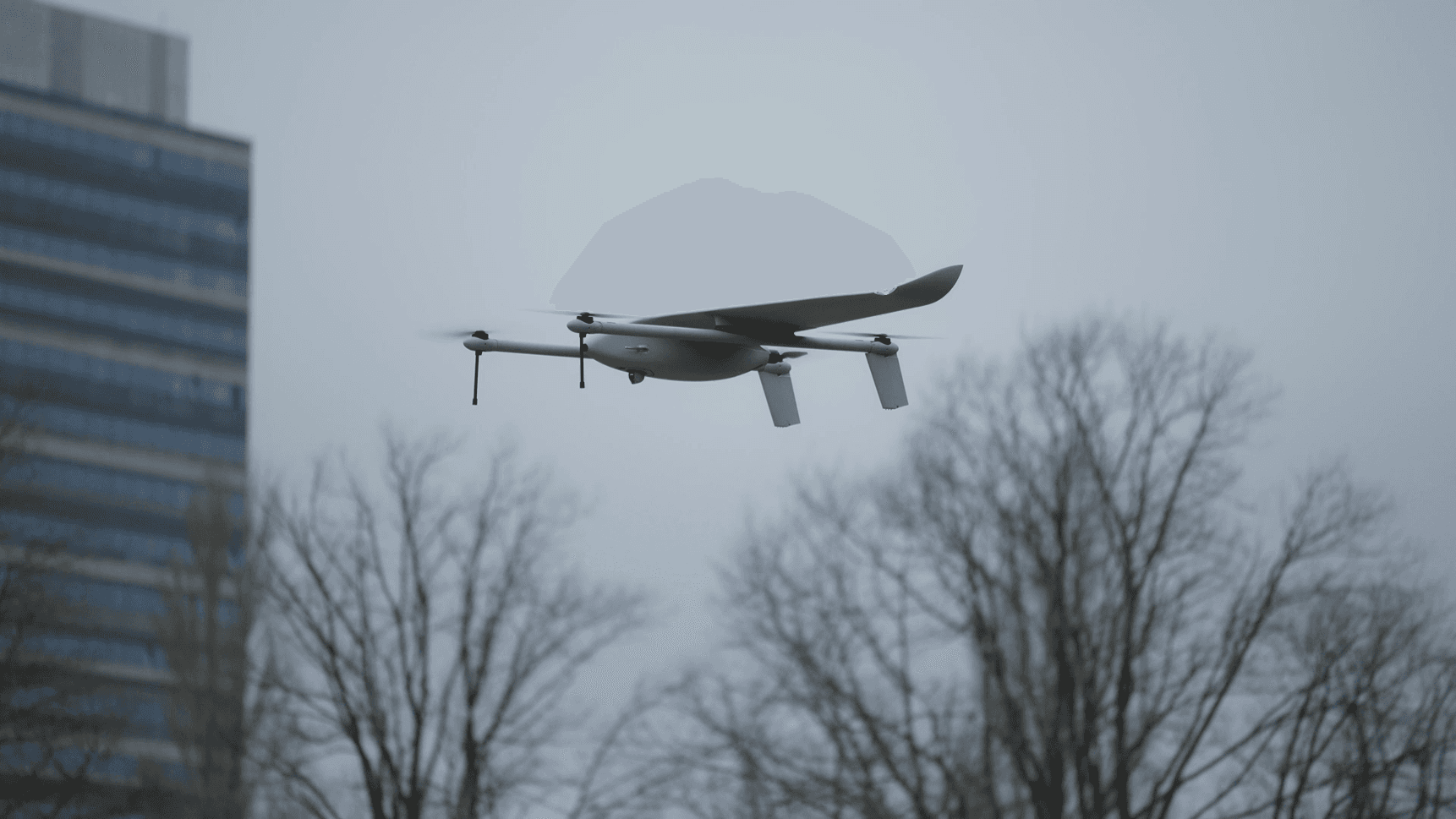
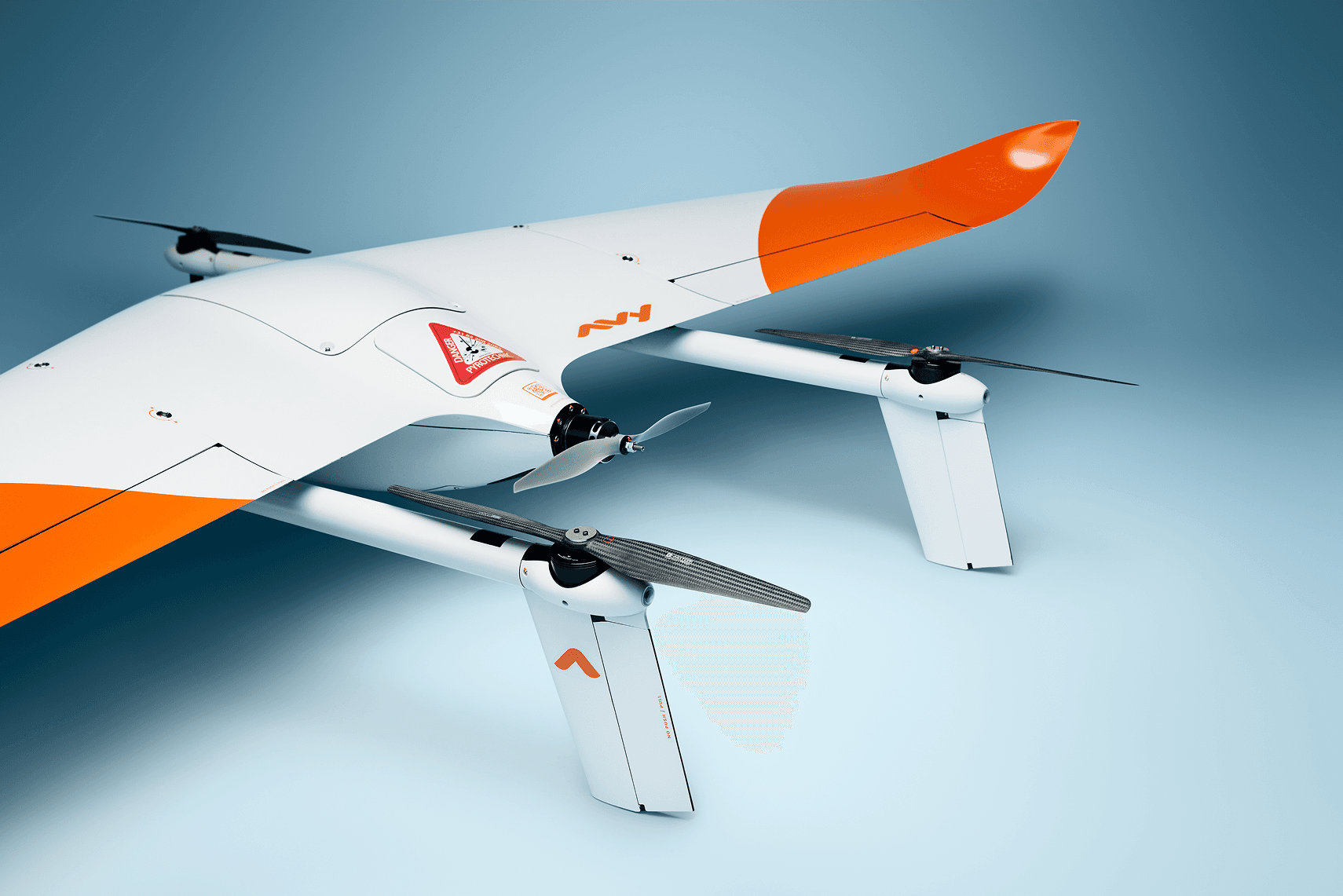
VTOL refers to any aircraft that can take off, hover, and land vertically under its own power; without needing a runway or launch catapult. For drones, this is not a luxury feature. It is the foundational capability that enables deployment from rooftops, ship decks, forest clearings, or urban streets.
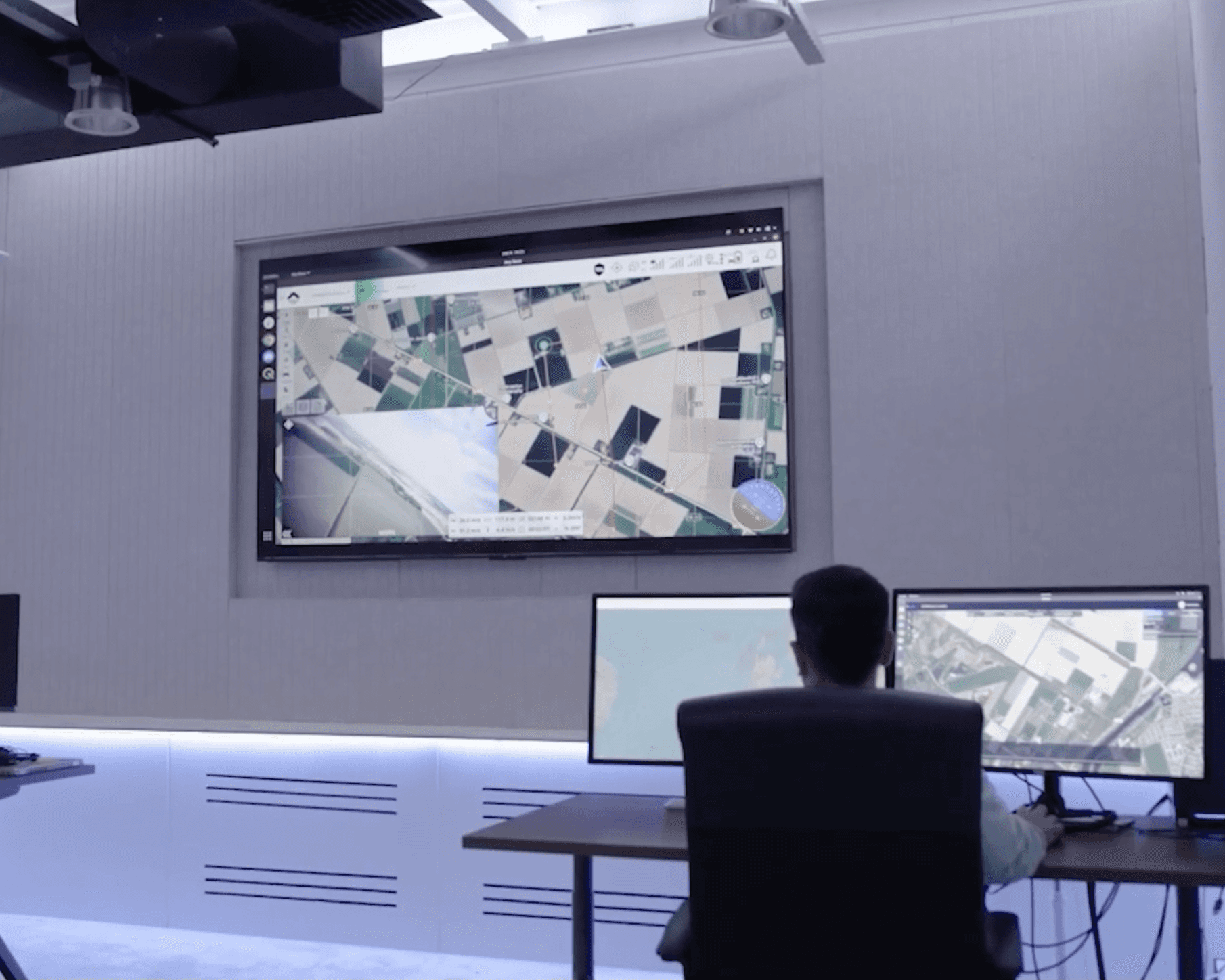
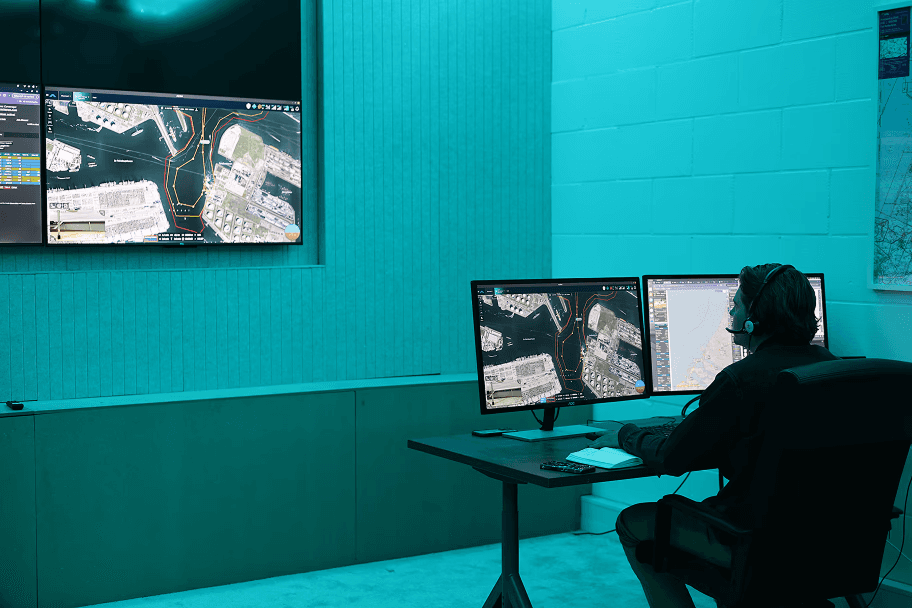
Avy drones are controlled from a dedicated operations centre, not from a field location. Pilots monitor live footage, manage flight paths and communicate with the aircraft from a secure indoor environment, regardless of where the drone is flying.
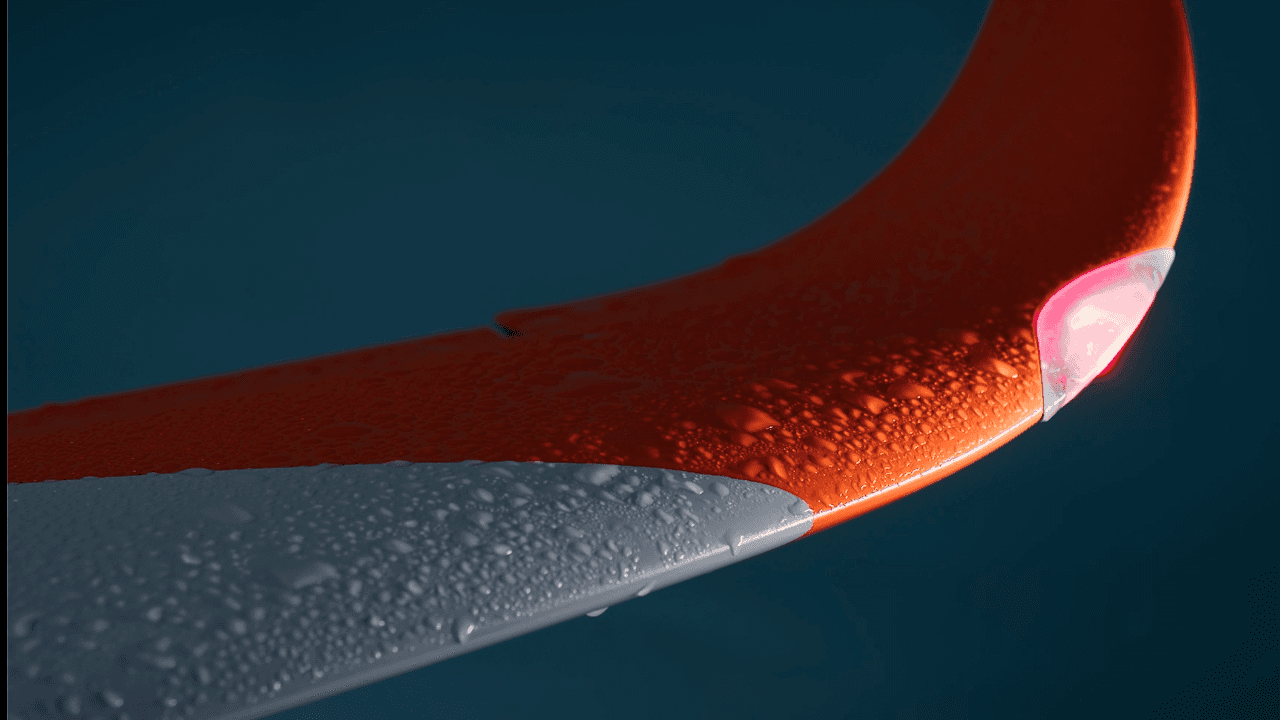
We've flown 100,000km in different conditions to ensure our aircraft flies when you need it most.