Drone delivery for healthcare and medical logistics
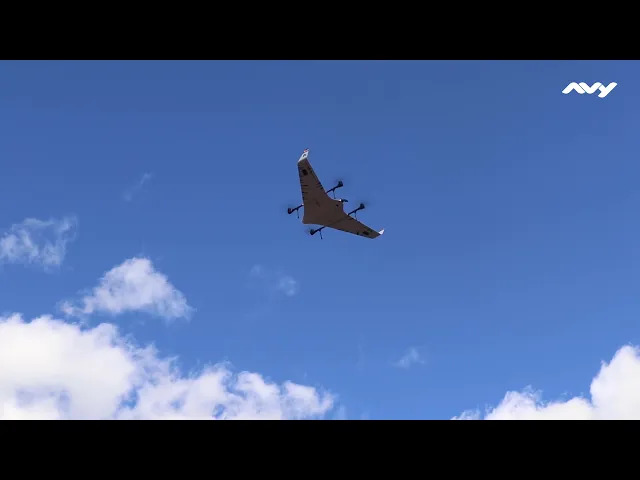
Time is the critical variable in medical logistics. Blood products, donor organs, and diagnostic samples all have narrow windows in which they can be transported safely and used effectively. Road transport is constrained by distance, traffic, and infrastructure. Avy operates autonomous fixed-wing drones that cover long distances at 100km/h, carrying temperature-sensitive medical cargo between hospitals, laboratories, and remote communities faster than any ground alternative.
Avy has conducted medical delivery programmes across three continents. In Europe, the Avy Aera operates authorised corridor flights between healthcare facilities in the Netherlands. In sub-Saharan Africa, Avy has delivered critical medical supplies to communities that road transport cannot reliably serve.
What Avy delivers
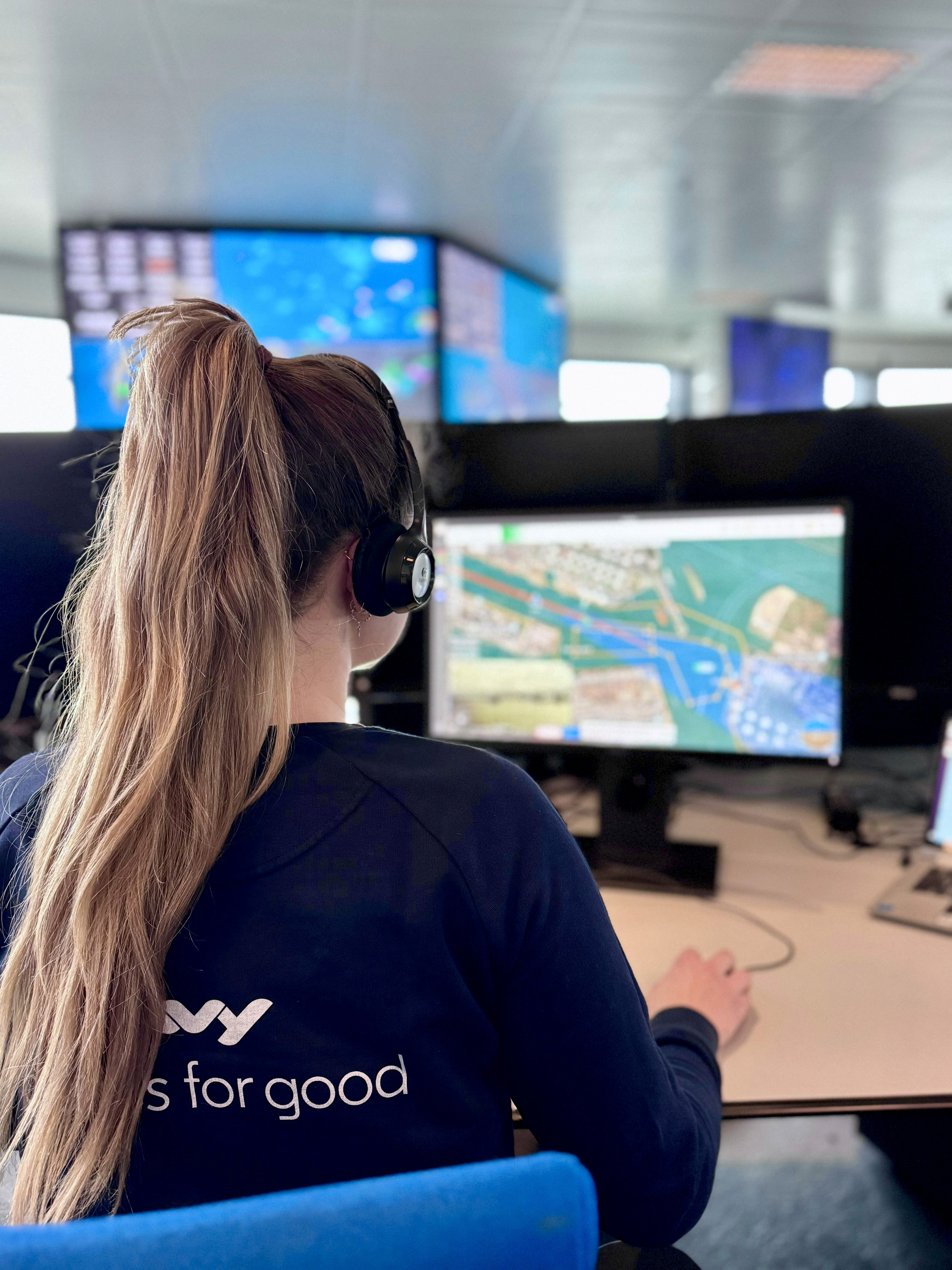
The Avy Aera carries medical cargo in a dedicated insulated payload bay built into the fuselage. The bay maintains cargo at the correct temperature for transport, protecting blood products, tissue samples, and other time-critical medical supplies throughout the flight. Each mission is flown autonomously under BVLOS authorisation, operated remotely from a ground control centre with no crew required at the delivery site.
The aircraft covers up to 100km on a single charge at a cruise speed of 100km/h. When both ends of a delivery route have a docking station installed, the system is fully autonomous: the drone launches, delivers, and returns without operator intervention at either site.
Netherlands
In the Netherlands, Avy operates authorised drone corridor flights for medical logistics between healthcare facilities. These missions are conducted under Avy's BVLOS LUC (Light UAS Operator Certificate), one of the first such authorisations issued for commercial operations in Europe. The corridor model allows the Aera to fly defined routes between hospitals and laboratories, transporting blood products and diagnostic samples significantly faster than road transport on the same routes.
The client cannot be named, but the programme is operational and generating real-world data on delivery times, reliability, and cargo integrity across regular scheduled missions.
Botswana
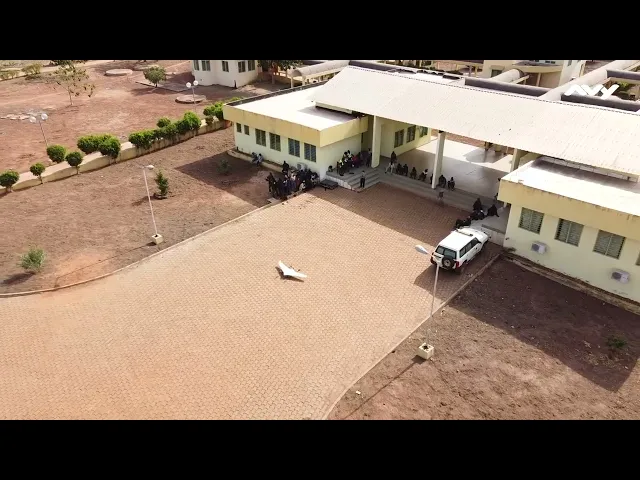
In Botswana, Avy partnered with healthcare organisations to deliver medical supplies to communities without reliable road access. The programme demonstrated that autonomous fixed-wing drones can serve as a practical logistics layer in environments where road infrastructure is the primary barrier to healthcare access. Deliveries that took hours by road were completed in a fraction of the time by air.

Benin
In Benin, Avy conducted a medical drone delivery programme in partnership with Drones for Health and local healthcare partners. The Aera delivered blood products and critical medical supplies to remote communities, covering routes that are inaccessible or unreliable by road, particularly during the rainy season. Deliveries were completed up to 65% faster than the road alternative on the same routes.
The aircraft: Aera
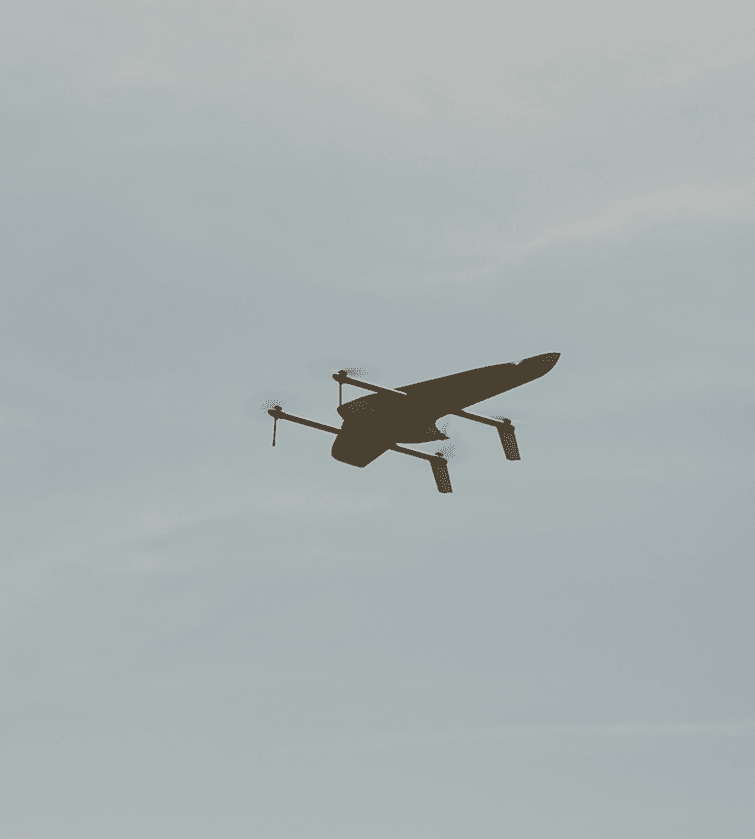
The Avy Aera is a VTOL drone; it takes off and lands vertically from a docking station, rooftop, or ground pad, then transitions to fixed-wing allowing it to fly 5-10 times further than regular drones. The system enables deployment without dedicated infrastructure.
100 km/h
Cruise speed
100 km
Range per charge
3 kg
Payload capacity
30+ knots
Wind tolerance
Why fixed-wing matters for medical delivery
Most medical drone delivery programmes use multirotor aircraft; quadcopters or hexacopters, because they are straightforward to operate and require no runway. The tradeoff is range. Multirotors typically cover 10 to 20km before needing to return or recharge. For urban hospital-to-hospital delivery within a single city, that is often sufficient. For regional healthcare networks, rural clinics, and cross-border programmes, it is not.
The Avy Aera is a fixed-wing VTOL aircraft. It takes off and lands vertically like a multirotor but cruises horizontally like a fixed-wing plane, combining the operational simplicity of vertical takeoff with the range and speed of fixed-wing flight. A single aircraft and two docking stations can cover a 100km corridor reliably and repeatedly, without ground crew at either end.
Did we miss anything?
Here are a few of the frequently asked questions

Ready to discuss drones?
Avy works with organisations across Europe to develop and operate autonomous drone programmes for wildfire detection, incident monitoring, and search and rescue support. Contact us to discuss your operational requirements.